







- Feel Good
- 30th Sep 2026
- 0
- 0 minute
Newcastle therapist on beating the autumn blues as the darker days draw in
- Advertisement Feature
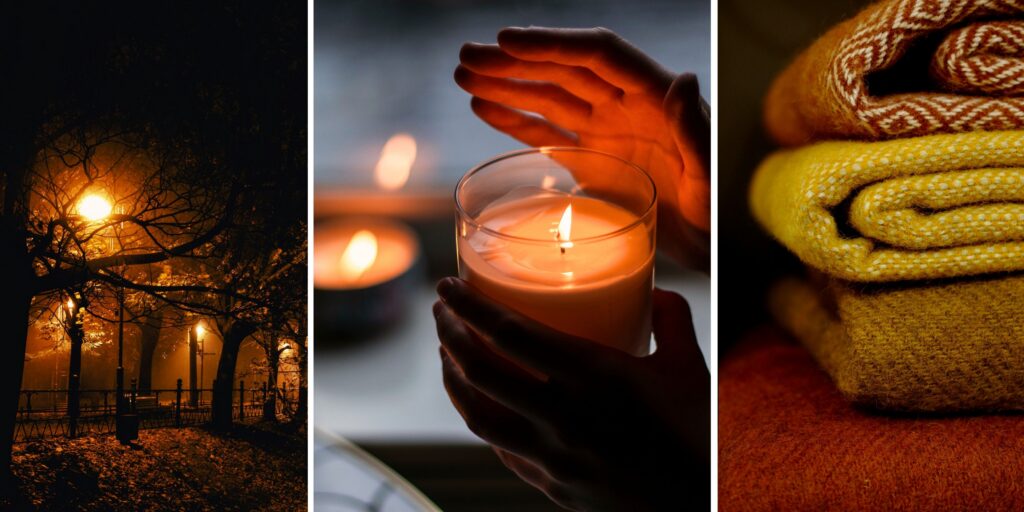
As the evenings draw in and fog officially makes a return over the Tyne, that dip in energy isn’t just in your head, it’s actually biology.
We’re all hardwired to follow the sun, so a shift in sleep, mood or motivation as the nights lengthen is completely natural.
We put our questions about the season ahead to Dr Ashling Doherty, a Chartered Counselling Psychologist based in Jesmond and High Life North’s expert therapist in residence.

IS IT NORMAL TO FEEL LOW WHEN THE CLOCKS GO BACK?
“Completely. Some of us reach for jumpers and candles with pure joy, others watch the clocks change with real dread, and both reactions are natural,” says Dr Ashling Doherty.
“If the darker months leave you feeling flat, there’s plenty you can do to empower.”
WHAT’S THE DIFFERENCE BETWEEN THE AUTUMN BLUES AND SAD?
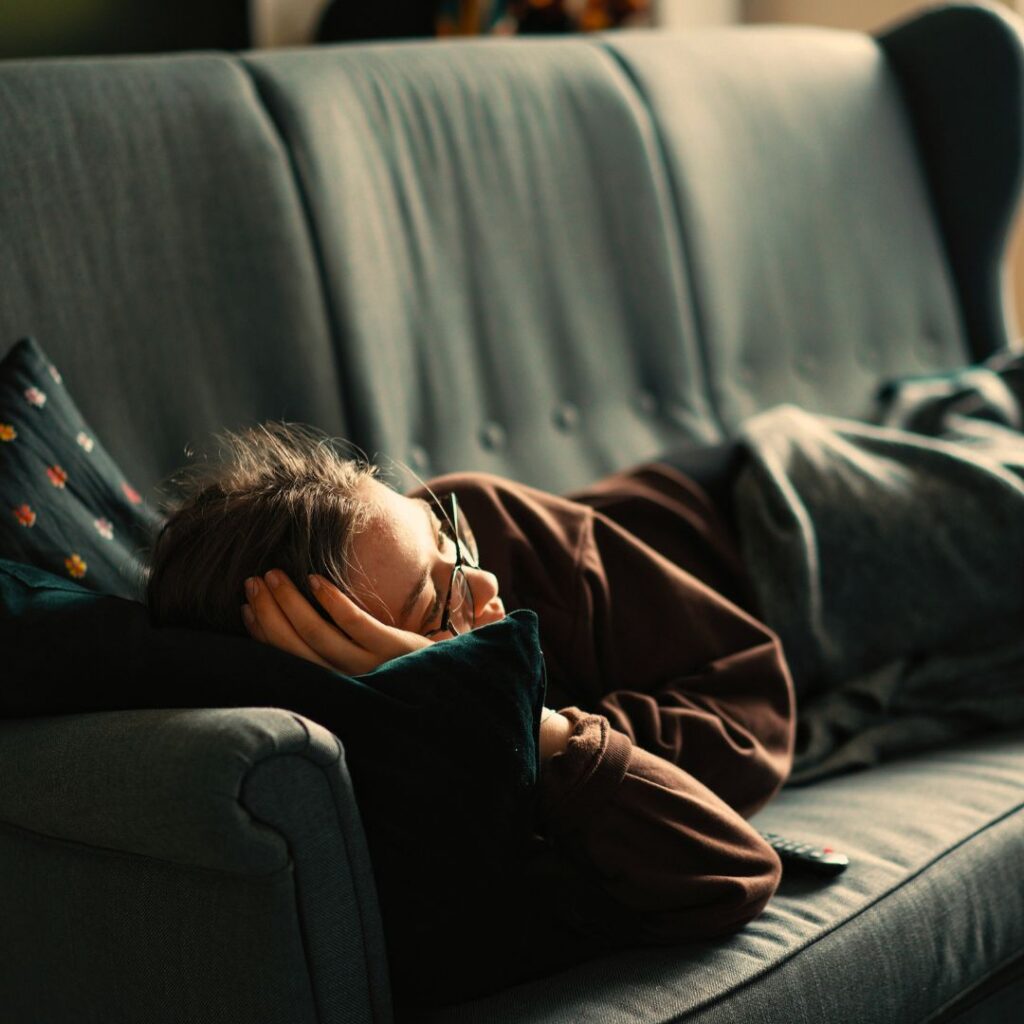
“It’s completely natural for your mood to dip as daylight hours shrink, but there’s a real boundary between everyday autumn blues and clinical Seasonal Affective Disorder,” Dr Ash explains.
“The autumn blues are mild, a bit of sluggishness or a dip in motivation as summer fades, and they pass within days or weeks as you adjust. Life carries on largely as normal, you can still work, study and socialise, even without much enthusiasm. SAD is a different scale altogether: persistent sadness, hopelessness or emotional despair that lasts most days for several months over autumn and winter, and it genuinely disrupts daily life. Getting up, concentrating or keeping up with friends becomes a real struggle.”
WHAT CAN WE DO TO SHIFT OUR MINDSET AS THE NIGHTS DRAW IN?
“Catch yourself when your thinking tips into all-or-nothing territory, that ‘every day is going to be miserable now’ thought. It won’t be. Autumn brings its own moments, from golden afternoon walks to quiet nights in, that only happen this time of year,” Dr Ash says.
“You can’t hold back the sunset, but you can curate the space you come home to. Put your energy into making your flat or house warm, brightly lit and genuinely inviting, and the dark evenings feel a lot less bleak.”
“Try pairing the bits of winter you dread with something you love. If a chilly alarm clock is the worst part of your day, match it with a favourite hot drink, an upbeat playlist or a proper thick blanket waiting by the sofa. And reframe ‘dark and dreary’ as permission to slow down: this is the season for reading, getting stuck into a new series, or making the kind of hearty comfort food you wouldn’t dream of in July, guilt-free.”

“Scatter small treats through the week to give yourself something to look forward to, a seasonal tea blend, your favourite knitted jumper on rotation, or a standing Friday movie night. A new hobby works just as well. And take a moment to notice the details that make autumn what it is, the bite in the morning air, the colour turning in the local parks, or the city lights catching on the Tyne as the sky goes dark early.”
IS A SAD LAMP ACTUALLY WORTH THE MONEY?
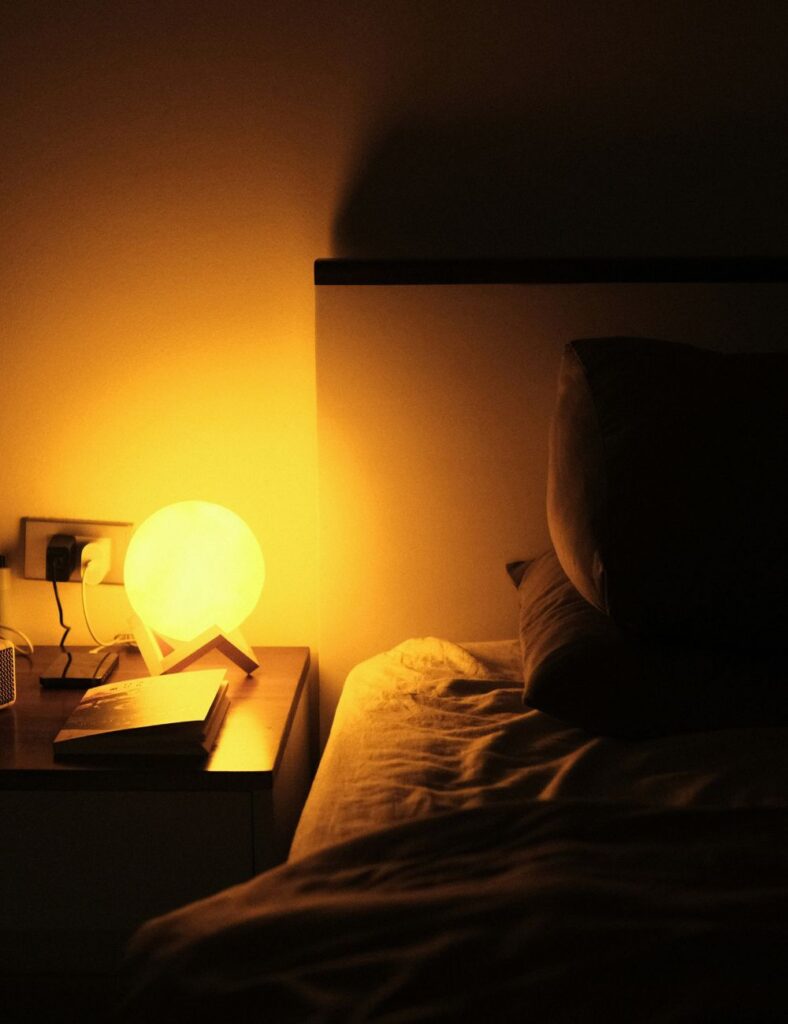
“Some decide on a light therapy lamp for a morning alarm. There isn’t enough research or evidence, but some find it useful. It mimics outdoor daylight,” Dr Ash says.
WHAT SHOULD WE CHECK BEFORE BUYING ONE?
“Look for a lamp that delivers a full 10,000 lux at a comfortable sitting distance, anything weaker means impractically long sessions to feel any benefit. Make sure the unit is certified UV-free, so you’re not trading a mood boost for skin or eye damage. Beyond that, it’s about fit: a slim desk panel that slots into your existing morning routine will get used far more than a bulky one that ends up in a drawer.”
HOW DO WE GET THE BEST RESULTS FROM A LIGHT BOX?
“Sit near your lamp for 20 to 30 minutes first thing in the morning, ideally while you’re reading, eating breakfast or catching up on emails. Keep it to mornings, as bright light in the evening can wreck your sleep instead of helping it. Some people notice a lift in energy and focus with use, and others don’t.”
Dr Ash advises anyone with a pre-existing eye condition or a history of bipolar disorder to speak to a healthcare professional before starting light therapy. Always speak to your GP before trying light therapy. It is unsuitable if you have eye conditions and some medications increase sensitivity to light.
MEET DR. ASHLING DOHERTY
Dr. Ashling Doherty is a Chartered Counselling Psychologist in Newcastle, specialising in sexual health and mental well-being. At her clinic in Jesmond, she works with individuals and couples, offering psychosexual therapies and personalised support. A member of the British Psychological Society and HCPC registered, she provides a safe space for growth and healing.
Dr Ashling Doherty, Flat 1, 8 Akenside Terrace, Jesmond, Newcastle upon Tyne NE2 1TN



Rachael Ellis
Head of Content
After gaining a first in her BA Media and Journalism degree at Northumbria University, Rachael worked at Newcastle’s leading regional newspaper with her stories being picked up in national and global newspapers. She spent two very successful years giving a voice to those communities across the North East who otherwise…
Subscribe
Subscribe now to receive our twice-weekly emails and exclusive offers for High Life North readers.