





- Play Hard
- 21st May 2026
- 0
- 0 minute
Puffins, seals and the occasional orca: why the Farne Islands should be on your Northumberland bucket list
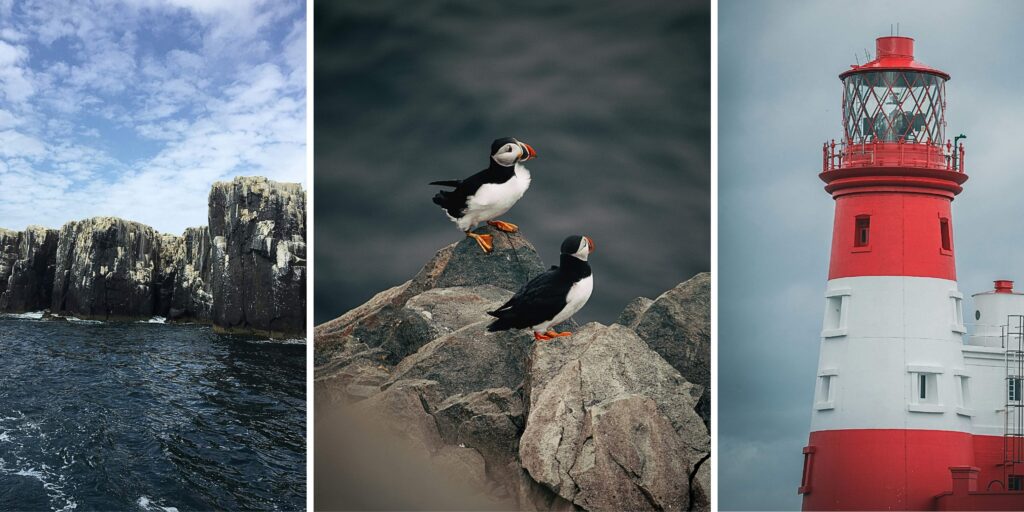
Every year, without fail, puffin season arrives in Northumberland, and the Farne Islands become one of the most extraordinary places to visit.
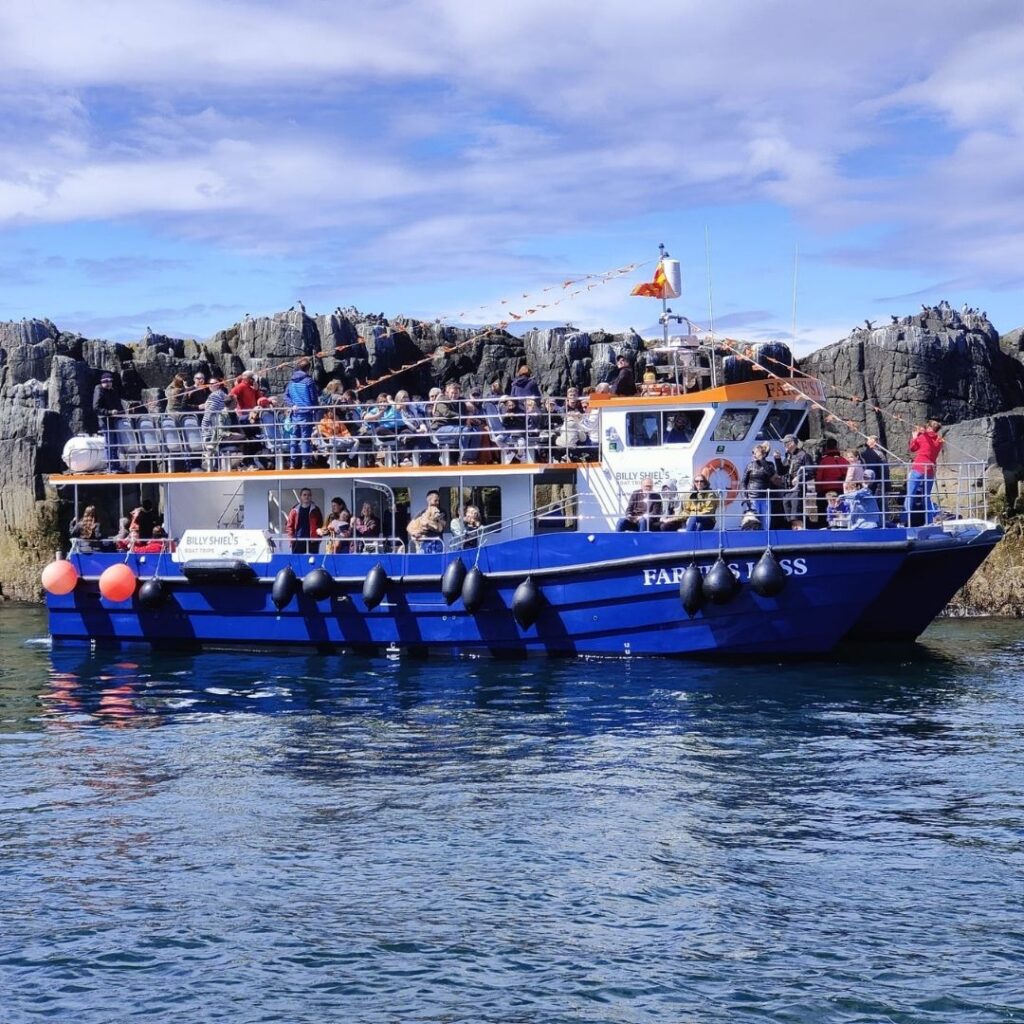
With recent sightings of puffins, seals and even occasional orca whales, we booked our spot on a Billy Shiel’s boat trip, headed out from Seahouses harbour and honestly? It exceeded all of our expectations.
HIGH LIFE NORTH TOP TIP: Can’t make it to the Farne Islands? Make sure to watch Puffin Cam at home – we’re already hooked.
GETTING THERE (AND WHAT TO BRING)
Park up at Seahouses Coach Car Park and you’re practically on the doorstep of the harbour. Billy Shiel’s Boat Trips is a family-run business that has been running trips out to the Farnes for over a hundred years, with roots going back to shortly after the First World War.
Dogs are welcome on board, which is a lovely touch. They can’t come ashore on the islands themselves, but can stay on the boat with one family member while everyone else explores.
There are several tours to choose from: a puffin and seal cruise where you stay on board, the Inner Farne island landing trip, where you get the chance to step ashore, and even a romantic sunset tour if you fancy a dreamy date night on the water.
One word of advice? Bring a picnic. We made the mistake of not doing so, and there is nothing quite like tucking in beside puffins with views of Bamburgh Castle in the background. Picnic goals, honestly, we got so much FOMO.
We caught up with Rache Shiel, manager of Billy Shiel’s Boat Trips, and she had one more essential tip before we even set foot on the boat: “It’s always a bit cooler out on the water, so wrap up and get your cameras and camera phones ready.”
WHAT TO EXPECT ON THE WATER
We went for the Inner Farne landing trip, roughly two and a half to three hours in total, including an hour ashore on the island itself. At 16 acres, Inner Farne is the largest of the Farne Islands, and from May through to the end of July, it’s home to many thousands of nesting seabirds. The boat sails around all of the islands first, giving you a full commentary on the wildlife and the history before you land. And there is a lot of history to get through.
St Cuthbert himself lived on Inner Farne in the 7th century, retreating here after 12 years as Prior of Lindisfarne. He died on the island in 687 and the church built in his memory in 1370 is still open to visitors today. The boat also follows the route taken by Grace Darling and her father during their extraordinary rescue mission in 1838. Northumberland’s own Victorian heroine, and an absolutely gripping story if you don’t already know it.
Rachel puts the longevity of these trips into lovely perspective: “When my father-in-law and his father before him started the tourist boat trips in their spare time between fishing, they could never have imagined the islands would be enjoyed by thousands each year. We are very happy and proud to continue the tradition.”
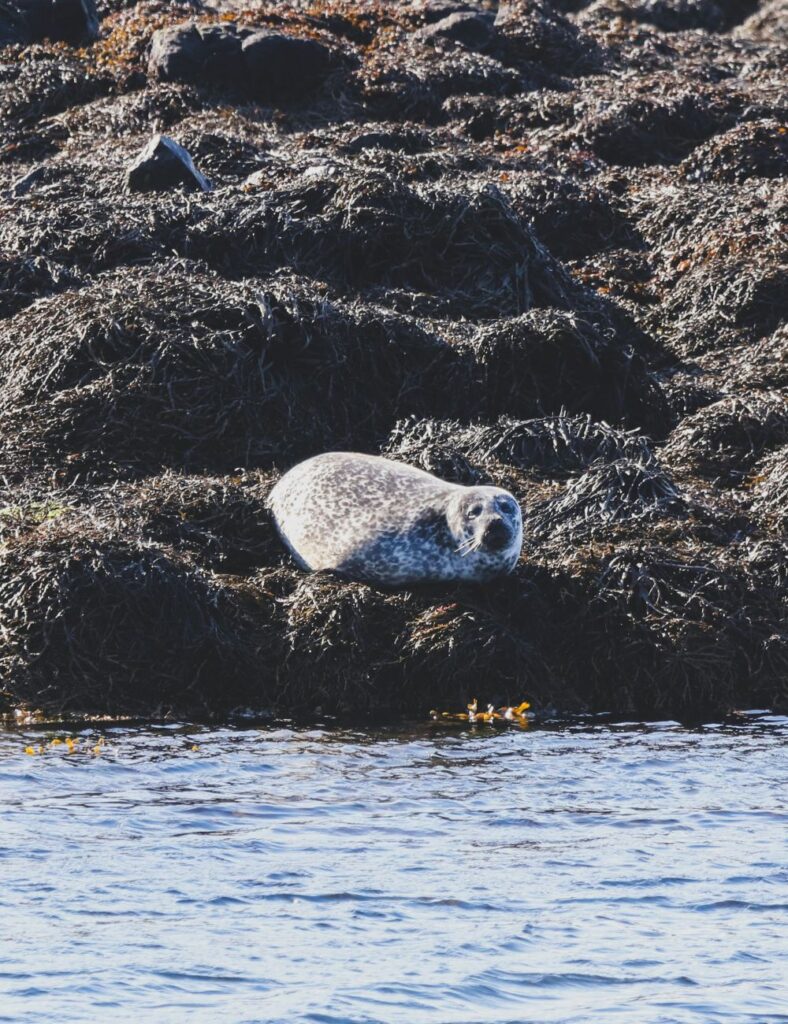
As for the wildlife on the water, it is spectacular. Rachel told us: “During the nesting season, you will see puffins, shags, cormorants, terns, kittiwakes, razorbills, eider ducks, guillemots and our large resident colony of Atlantic grey seals.”
And increasingly, you might see rather more than that. “We now have regular sightings of dolphins too,” Rachel added, “and this year, the unexpected sightings of orcas. Each trip is always different and exciting.” Actual orcas. Off the Northumberland coast. We cannot stress enough how wild that is.
THE PUFFINS THEMSELVES
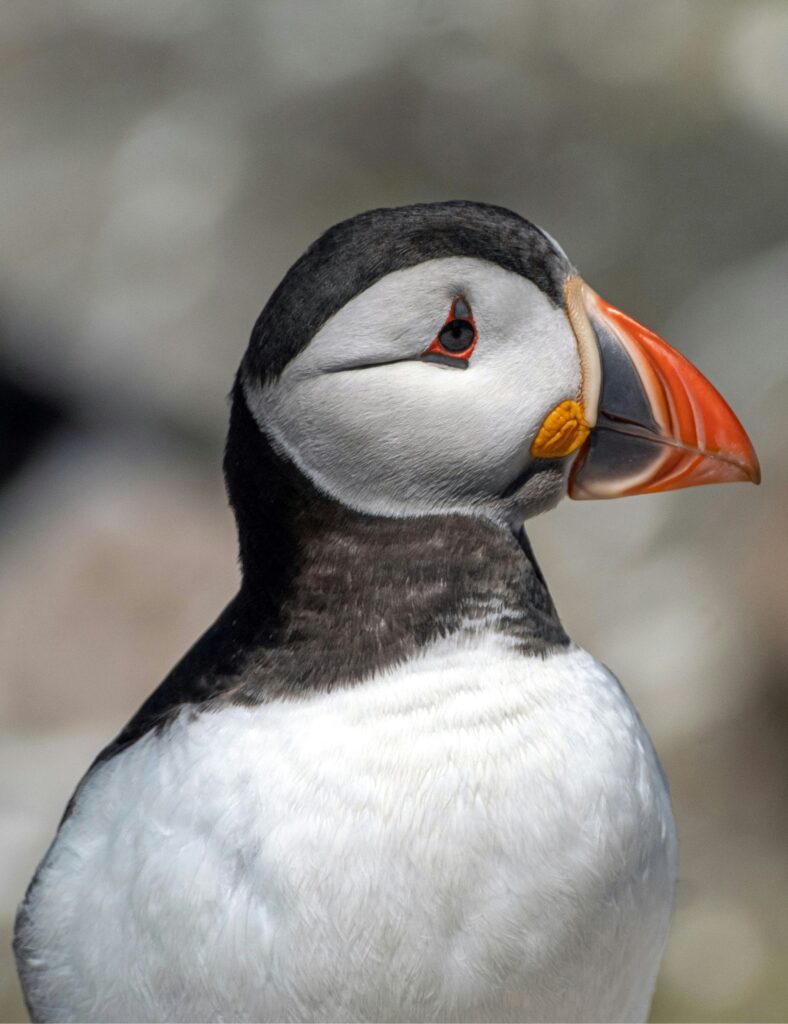
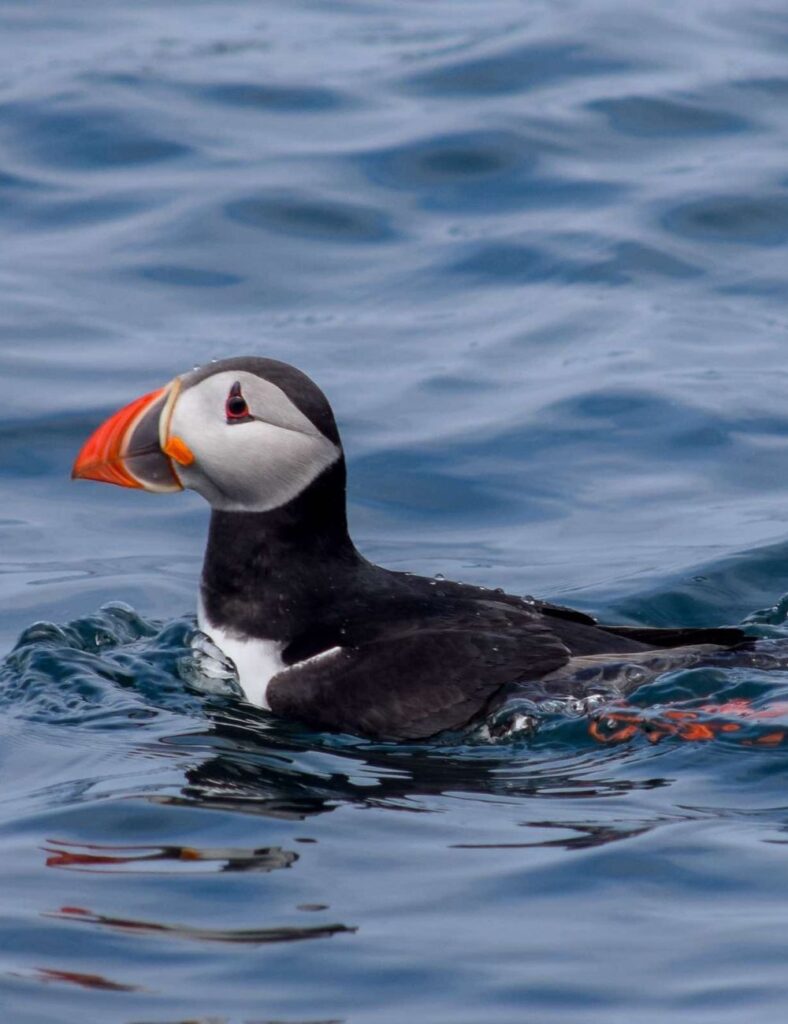
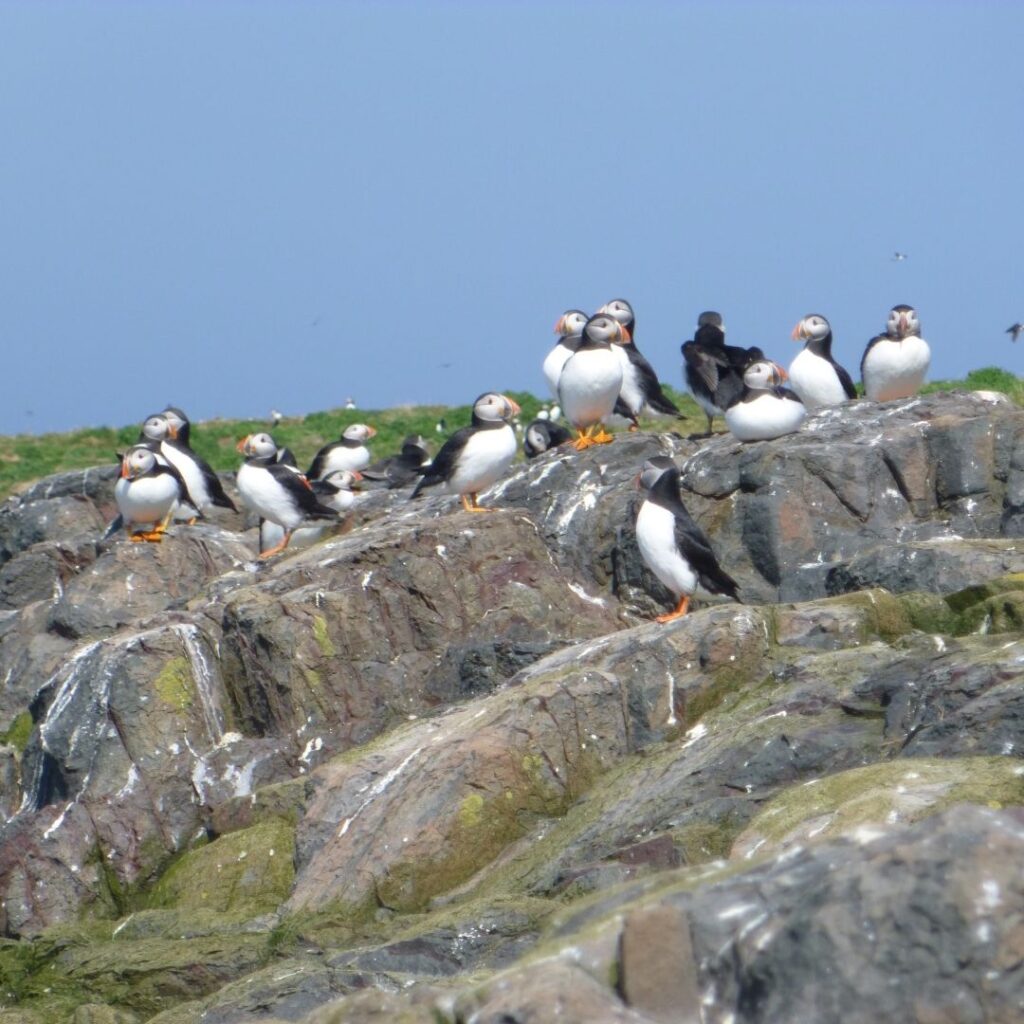
Here’s the thing nobody tells you before you go: puffins are small. Comically, endearingly, almost insultingly small for birds with such enormous personalities. We mentioned this to Rachel, and she said, “I think people expect them to be bigger, because these little birds pack in a lot of personality. The closeness to the birds and the sheer volume of them also comes as a surprise to many.”
That’s the thing that really does take your breath away, is how close they get. We’re talking arm’s length. They waddle past without a care in the world, launch off cliff edges with surprising confidence and zoom back overhead with beaks rammed with sand eels, looking extraordinarily pleased with themselves.
We spoke to Sophia Jackson, National Trust Area Ranger on the Farne Islands, and she described stepping ashore for the first time with the kind of infectious enthusiasm that only comes from truly loving your job: “It feels like you’ve entered another world, an immersive experience for all your senses. The smell of the guano from the thousands of seabirds, the sounds of the murmuring puffins from underground, the very loud kittiwakes calling their name, and the flap of the puffins’ wings as they fly past your head. Not to mention being pecked on the head by the Arctic terns.”
The reason they’re so entirely unbothered by your presence, Sophia explained, comes down to timing and habit. “The islands open to visitors on the 1st of April, and the puffins arrive to breed after this, so they are habituated to humans being around. Visitors keep to the boardwalk, so the puffins have their own space.”
What’s more, having people there actively helps. Sophia told us that visitors inadvertently deter larger predatory birds from the nesting areas, meaning puffins raise their young more successfully in spots where humans are walking around. You’re not just a tourist. You’re essentially doing conservation work by turning up.
THE SCALE OF IT ALL
The Farne Islands are home to nearly 40,000 pairs of puffins. Let that number sit with you for a moment. The National Trust team counts them every single year across eight of the islands, and the process is as hands-on as it sounds.
Sophia described her typical morning during nesting season: “We head out on the boat from Inner Farne to the other islands, where we locate monitoring plots to count occupied and non-occupied puffin burrows. This involves visually inspecting if a burrow is occupied by looking for signs of poo, loose vegetation and feathers. If we’re not sure, we will lie on the ground and carefully put our hand down the burrow, which can be shoulder deep, to feel for a puffin or puffling.”
It’s painstaking, dedicated work and it matters. The colony has come through a difficult few years. Covid closed the islands entirely, and avian flu hit hard not long after. Rachel told us that those experiences have given the trips a new kind of significance: “It makes visiting the wildlife even more special.”
Numbers are now strong again, though Sophia is quick to point out that long-term monitoring remains essential. “We contribute our data to the Seabird Monitoring Programme, along with seabird colonies around the UK. This can help influence decisions at a government level, such as the ban on sand eel fishing, which is the puffins’ main food source in the summer.” Conservation, it turns out, stretches from rangers reaching shoulder-deep into burrows at dawn all the way to policy decisions in Westminster.
LITTLE-KNOWN PUFFIN FACTS TO IMPRESS YOUR FRIENDS
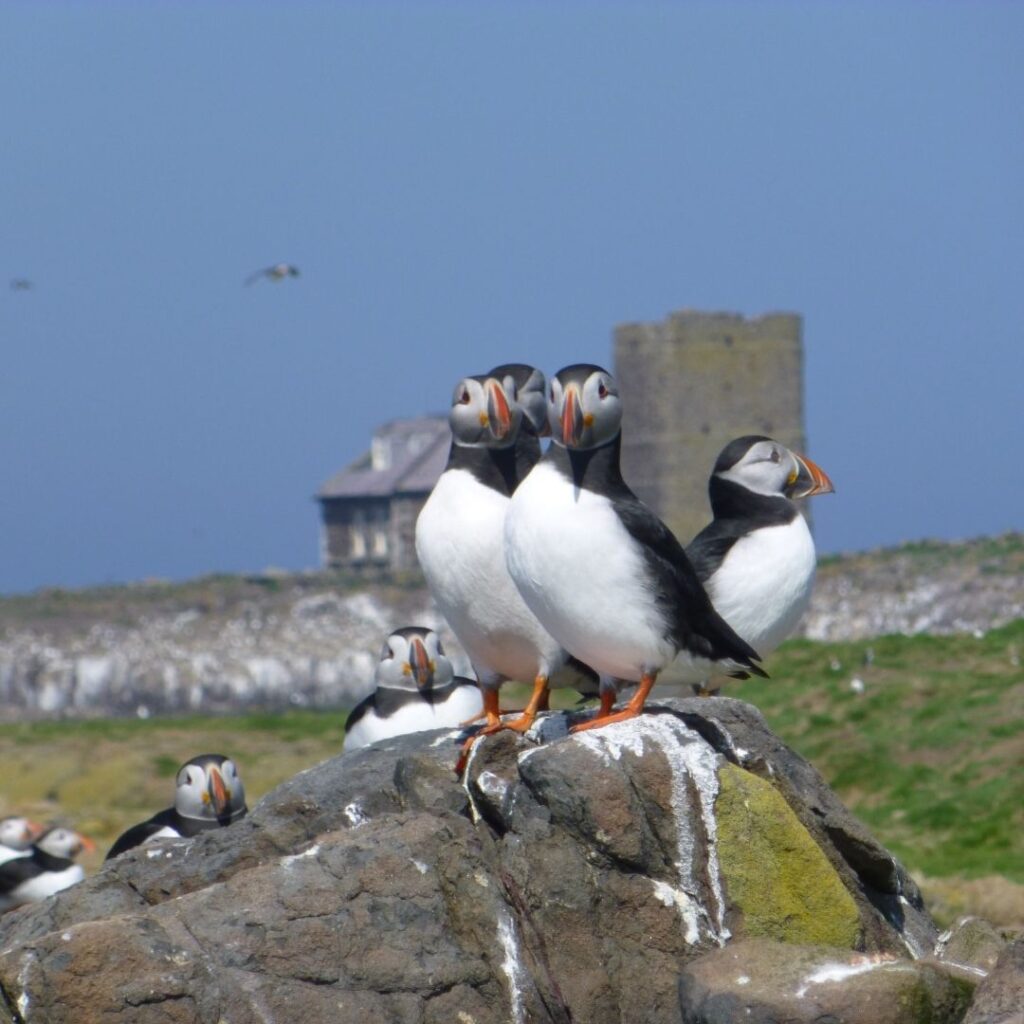
While you’re out there watching them hurtle about, Sophia shared a few things that reframe just how remarkable these birds are. “Puffins spend from late July to April out on the North Sea. They are true seabirds. The reason they stand tall and run about in that comical way is because they are so well designed for that long period on the water that their legs are set further back on their body to act as flippers.”
Even that famous colourful beak isn’t quite what it seems. “The colourful beak the puffin is known for is actually a sheath that grows over a small grey beak each spring, just for the summer season, to attract a mate and to carry more fish for its puffling. It then drops off in the autumn, and their cheeks fade to dark grey and their legs to a dull orange.” How interesting?!
WHEN TO GO
Peak season runs May through July. Rachel is straightforward about it: “Nesting season, May to July, is when you’ll catch the puffins at their peak.” June is arguably the sweet spot, with terns dive-bombing, puffins whizzing past with beaks full of sand eels and the whole place operating at full, glorious chaos.
Sophia has a great feel for how the seasons shift out there: “By August the islands are quiet, with fulmar chicks on the cliffs enjoying the peace. In September, you can really see why Cuthbert came to Inner Farne for solitude. The cultural history of the island really makes itself known, and it’s quite magical.”
TIPS BEFORE YOU GO
Sophia’s advice is worth taking seriously: “Bring a hat to protect your head from getting pecked by a defensive Arctic tern. Wear a waterproof coat, with thousands of seabirds flying above your head there is a high chance of getting pooped on. Enjoy it and embrace your surroundings and ask a ranger if you want to learn more.”
Stick to the boardwalk, take your time and don’t rush a single second of it.
AFTER YOUR TRIP
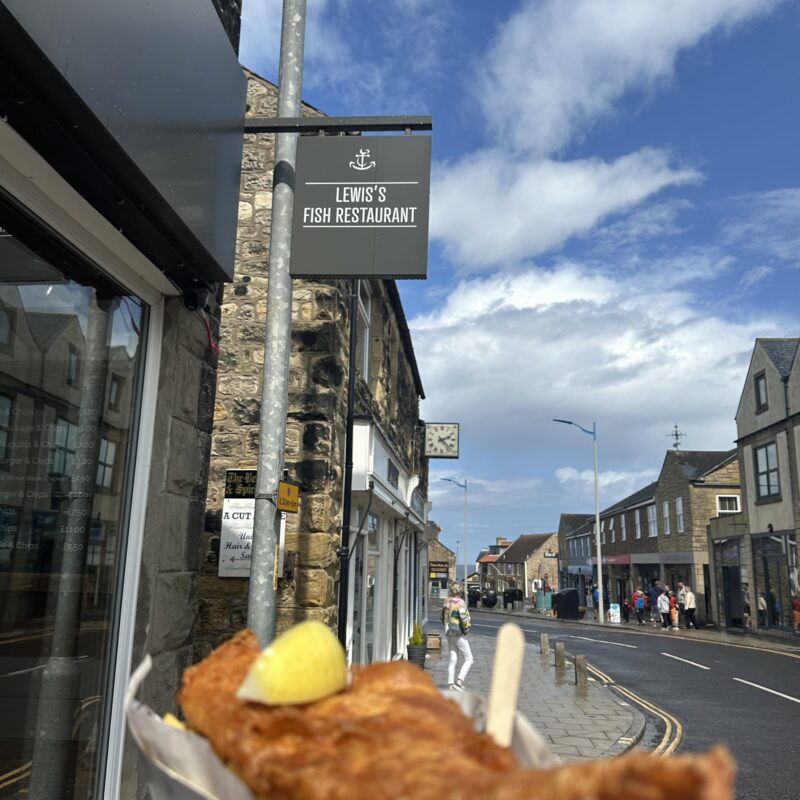
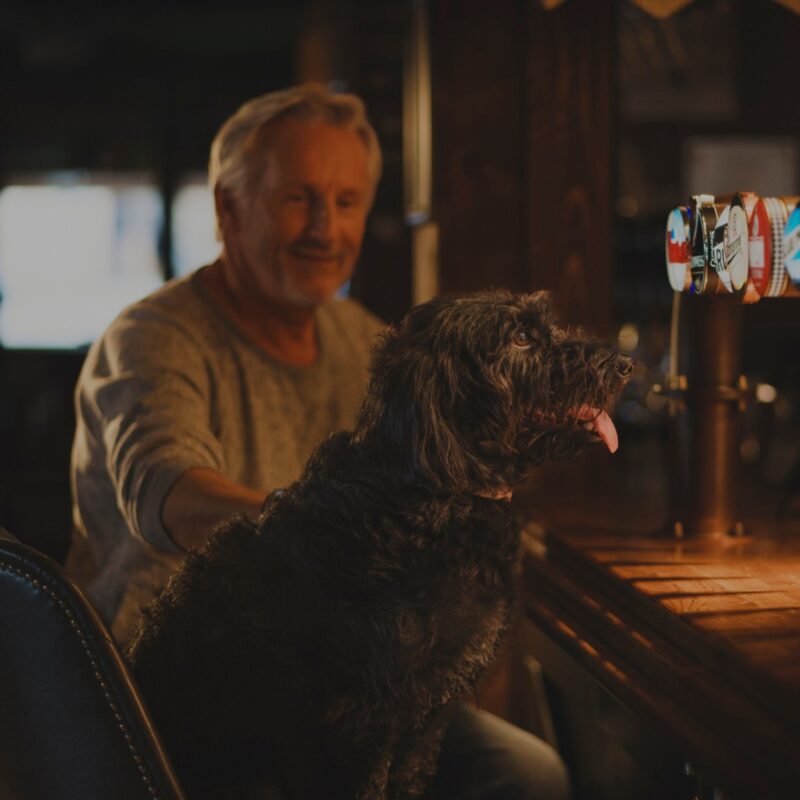
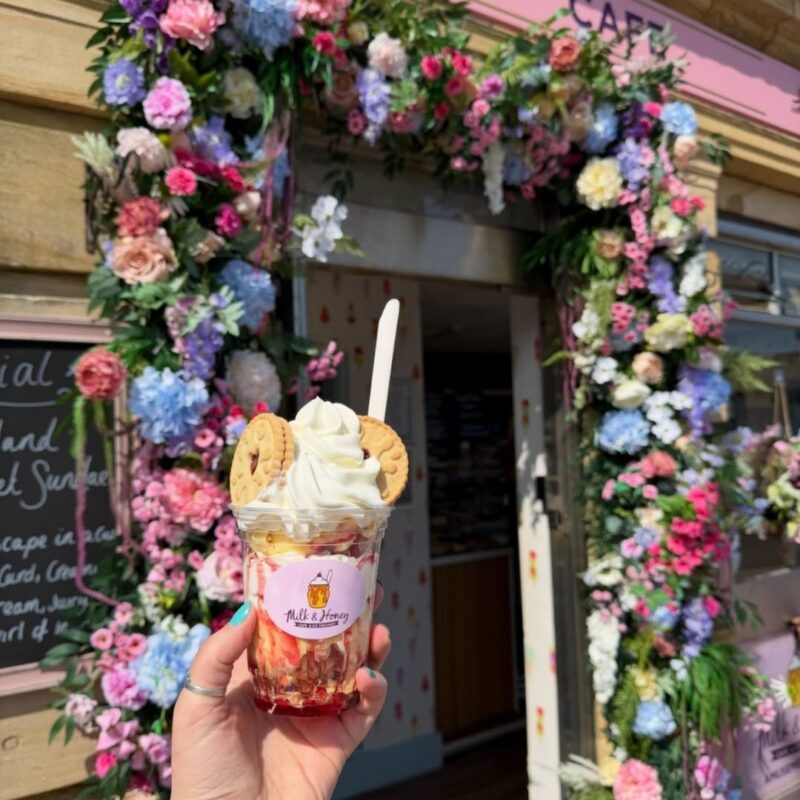
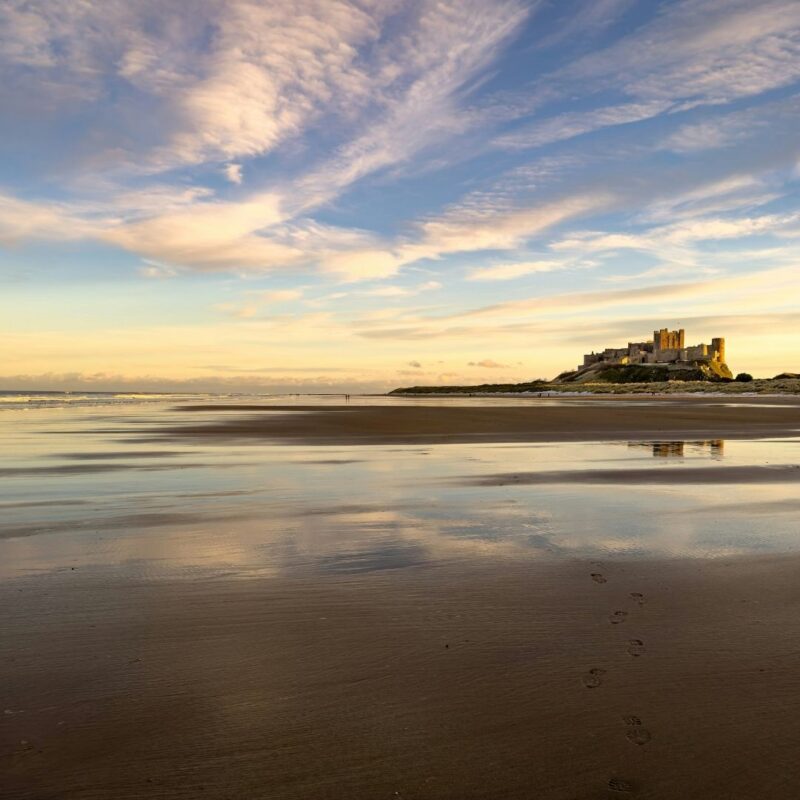
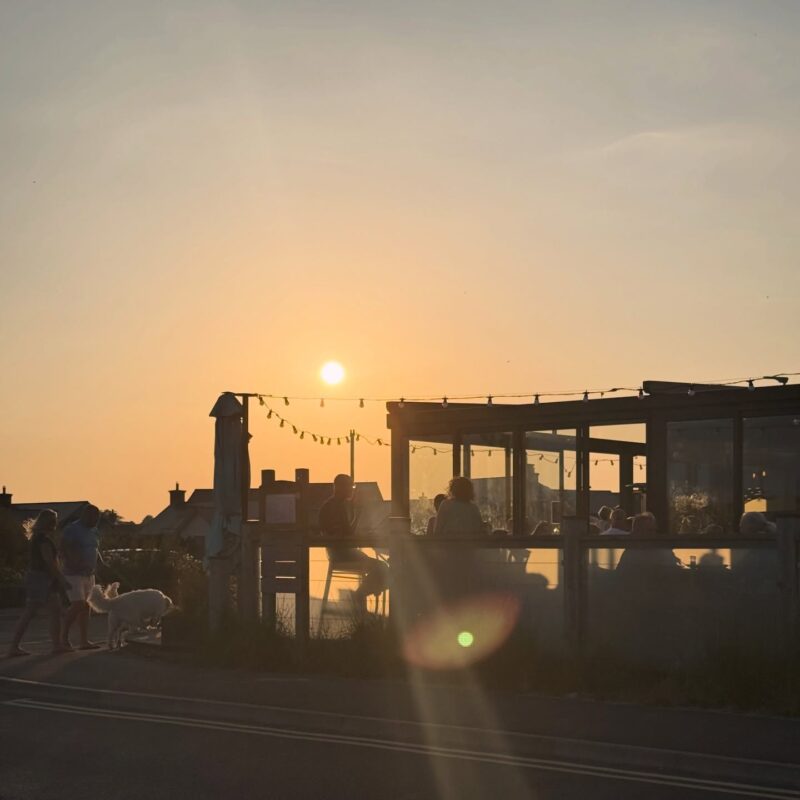
Once you’re back on dry land and feeling rather windswept, Seahouses and Bamburgh have plenty to keep you going for the rest of the day. Lewis’s Fish Restaurant is a must. Even Sam Fender is a fan, and we had the lobster ‘n’ fries, which were delicious. The Bamburgh Castle Inn has views over the castle that are hard to beat over a well-earned pint. And there’s Milk & Honey for ice cream – because why not?



Rachael Ellis
Head of Content
After gaining a first in her BA Media and Journalism degree at Northumbria University, Rachael worked at Newcastle’s leading regional newspaper with her stories being picked up in national and global newspapers. She spent two very successful years giving a voice to those communities across the North East who otherwise…
Subscribe
Subscribe now to receive our twice-weekly emails and exclusive offers for High Life North readers.