





- Feel Good
- 2nd Sep 2026
- 0
- 0 minute
You’ve probably never realised these world-changing things were invented in the North East
Ask most people where the modern world was invented, and they’ll say London. Ask us, and we’ll tell you it was Tyneside, Wearside and the Northumberland countryside.
The North East has quietly reshaped how the whole planet lives, works and travels, and most of us walk past the evidence every single day without knowing it.
From the boat that transformed sea rescue to the drink that started life as a chemist’s remedy, these are our region’s inventions and breakthroughs that rarely get the credit they’re due.
So next time someone tells you this region is only good for coal and football, hand them this list.
THE BOAT THAT REFUSED TO SINK
Image credit: RNLI
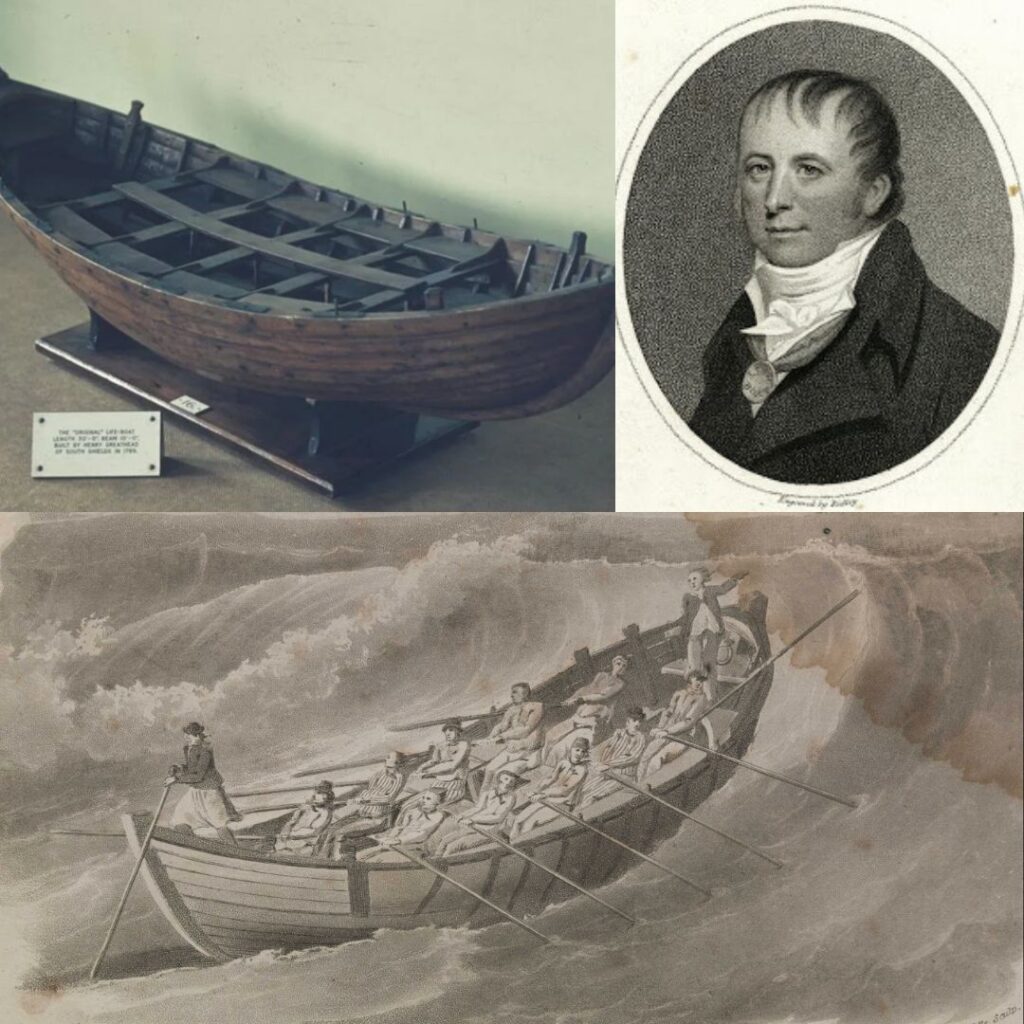
In 1789, a storm wrecked a ship called the Adventure at the mouth of the Tyne, and crowds on the shore could do nothing to save its crew. The tragedy prompted a South Shields committee to launch a competition for a boat that could survive rough seas.
Local men William Wouldhave and Henry Greathead both submitted designs, with the final boat incorporating ideas from both. Greathead was commissioned to build it, and his successful vessel became known as the Original. Its design proved so effective that Greathead became known as the inventor of the lifeboat, with his boats eventually being used far beyond the North East.
THE BULB THAT PUT NEWCASTLE ON THE LIGHTING MAP
Everyone credits Thomas Edison with the light bulb, but North East inventor Joseph Swan was developing incandescent electric lighting at almost exactly the same time.
Swan demonstrated a practical incandescent lamp at Newcastle’s Literary and Philosophical Society in 1879, having spent years developing the technology at his home in Gateshead. His house became the first in the world to be lit by incandescent electric bulbs, while Newcastle’s Mosley Street became the first street to be lit by electric light.
So, yes, the next time someone brings up Edison, you are perfectly entitled to mention Joseph Swan.
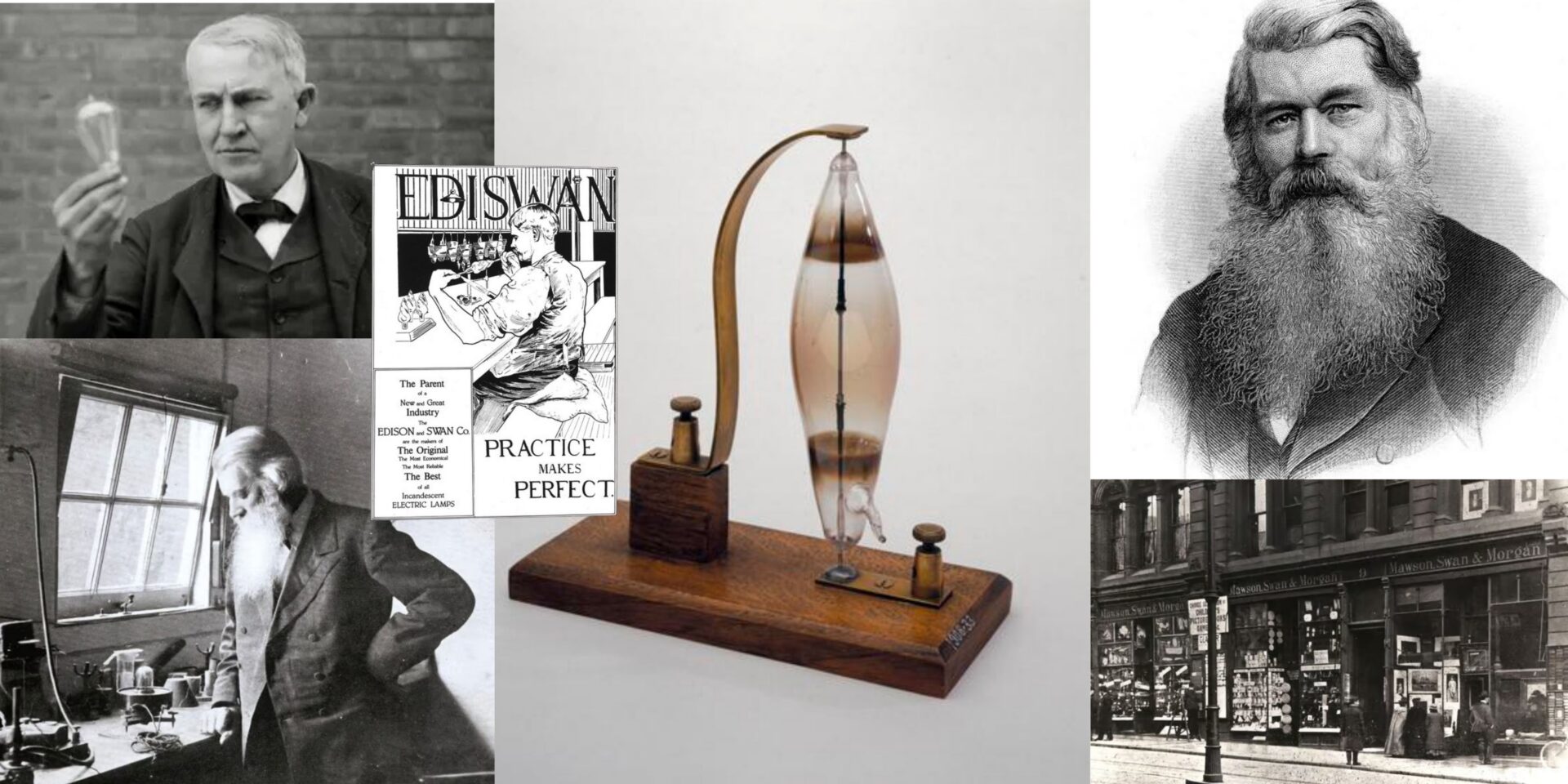
Image credit: Science Museum Group Collection, Britanicca, Tyne and Wear Archive and Museum
THE PHOTOGRAPHIC BREAKTHROUGH
Joseph Swan wasn’t finished once he’d made his mark on electric lighting. He also made important contributions to photographic technology, developing a practical bromide paper process for photographic printing.
His work helped make photographic printing more accessible and practical at a time when photography was rapidly moving beyond the preserve of professional photographers and into everyday life.
It’s another reason Swan deserves to be remembered as one of the North East’s great inventors – rather than simply the man who also invented a light bulb.
THE HOUSE THAT RAN ON ITS OWN RIVER
Image credit: Newcastle University, The Victorian Web
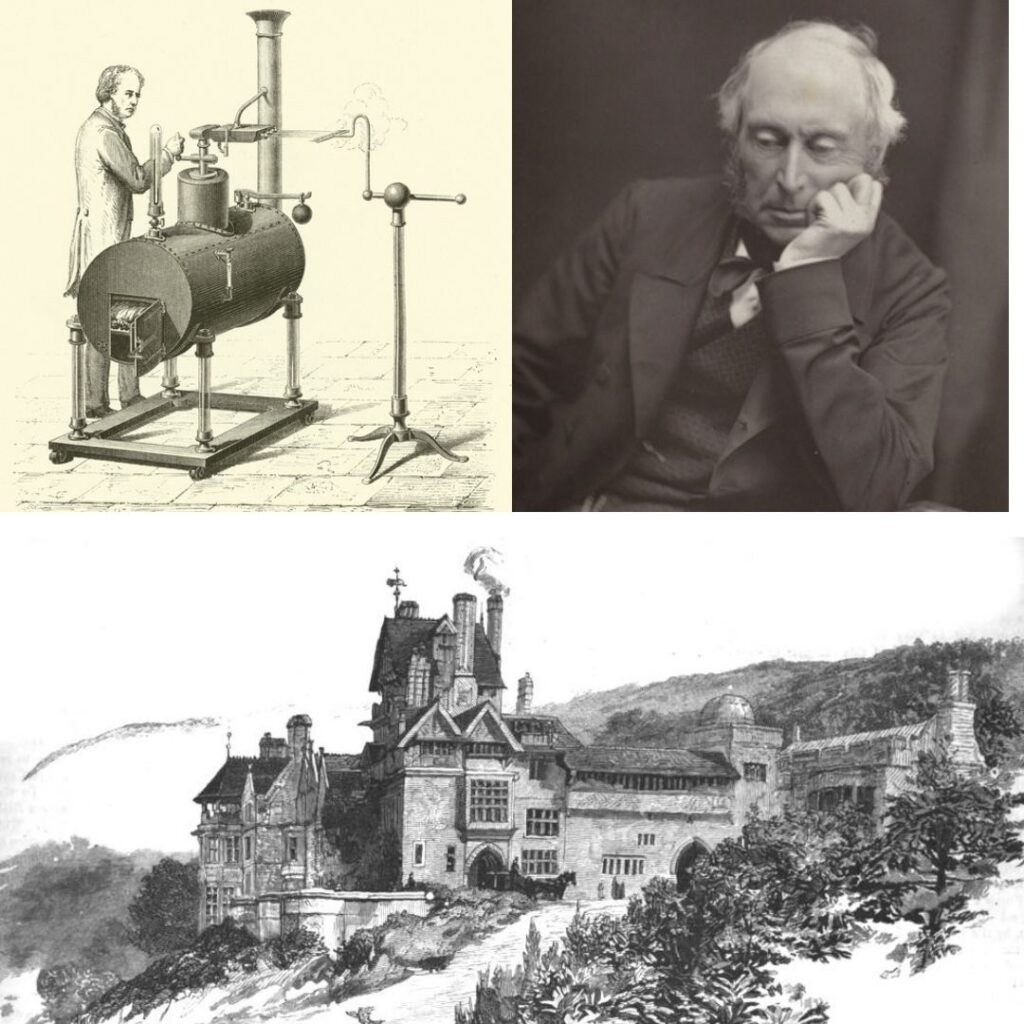
Around the same time, industrialist William Armstrong was busy turning his Northumberland estate into something genuinely futuristic.
Cragside, his home near Rothbury, became the first place in the world to be lit using hydroelectricity, generating power from water on the estate. Armstrong used the electricity to illuminate the house and power a host of pioneering technology, including hydraulic machinery, a passenger lift and one of the earliest domestic dishwashers.
While the rest of the country was still getting used to electricity, Armstrong was essentially turning his home into a Victorian smart house.
THE WIPE THAT CLEARED THE WINDSCREEN
Image credit: Uniwiper, Heaton History Group
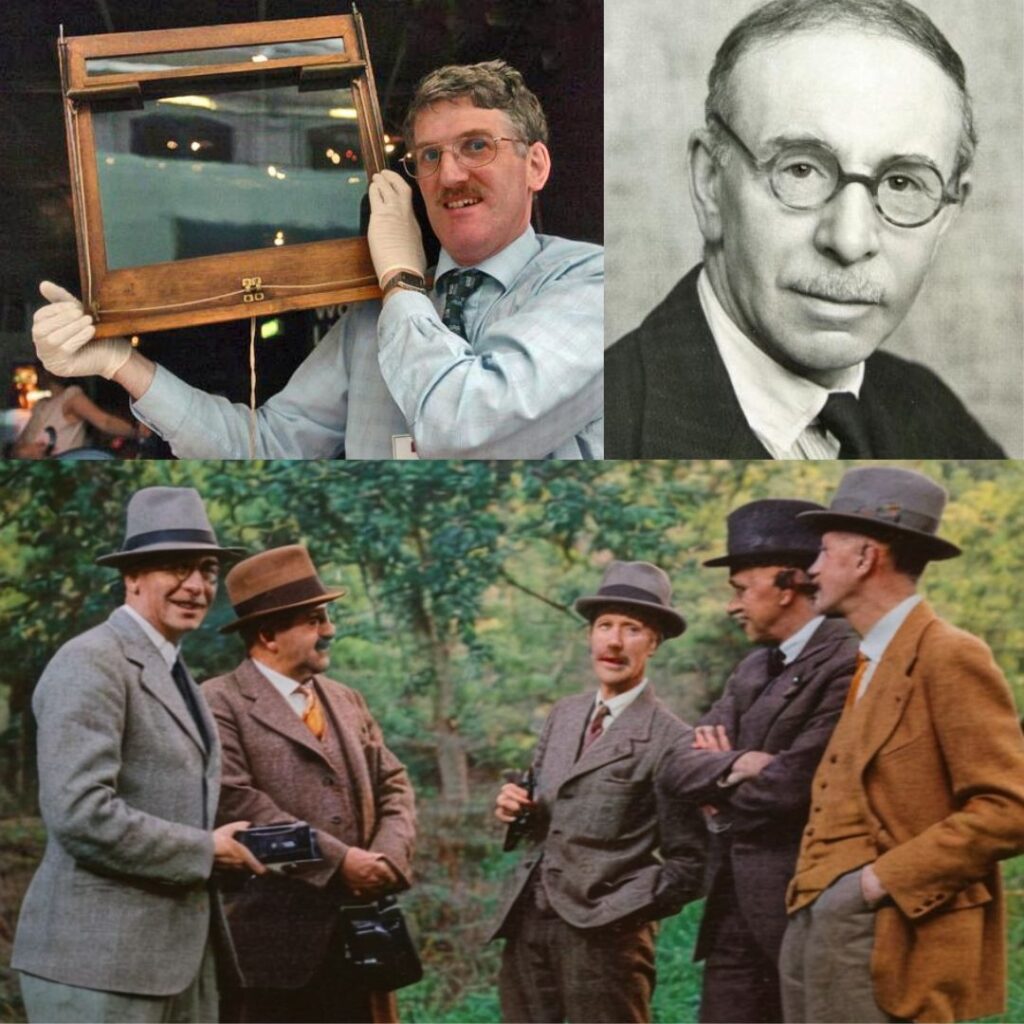
Gladstone Adams, a photographer from Newcastle, was driving home after the 1908 FA Cup Final when heavy snow made it almost impossible to see through his windscreen.
Rather than spend the journey repeatedly stopping to clear it by hand, Adams devised a mechanical solution. He went on to patent an early windscreen wiper design in 1911.
His invention was never commercially manufactured, but the basic idea was remarkably ahead of its time. So, every time you flick your wipers on during a North East downpour, spare a thought for Gladstone.
THE FIZZ THAT STARTED LIFE AS MEDICINE
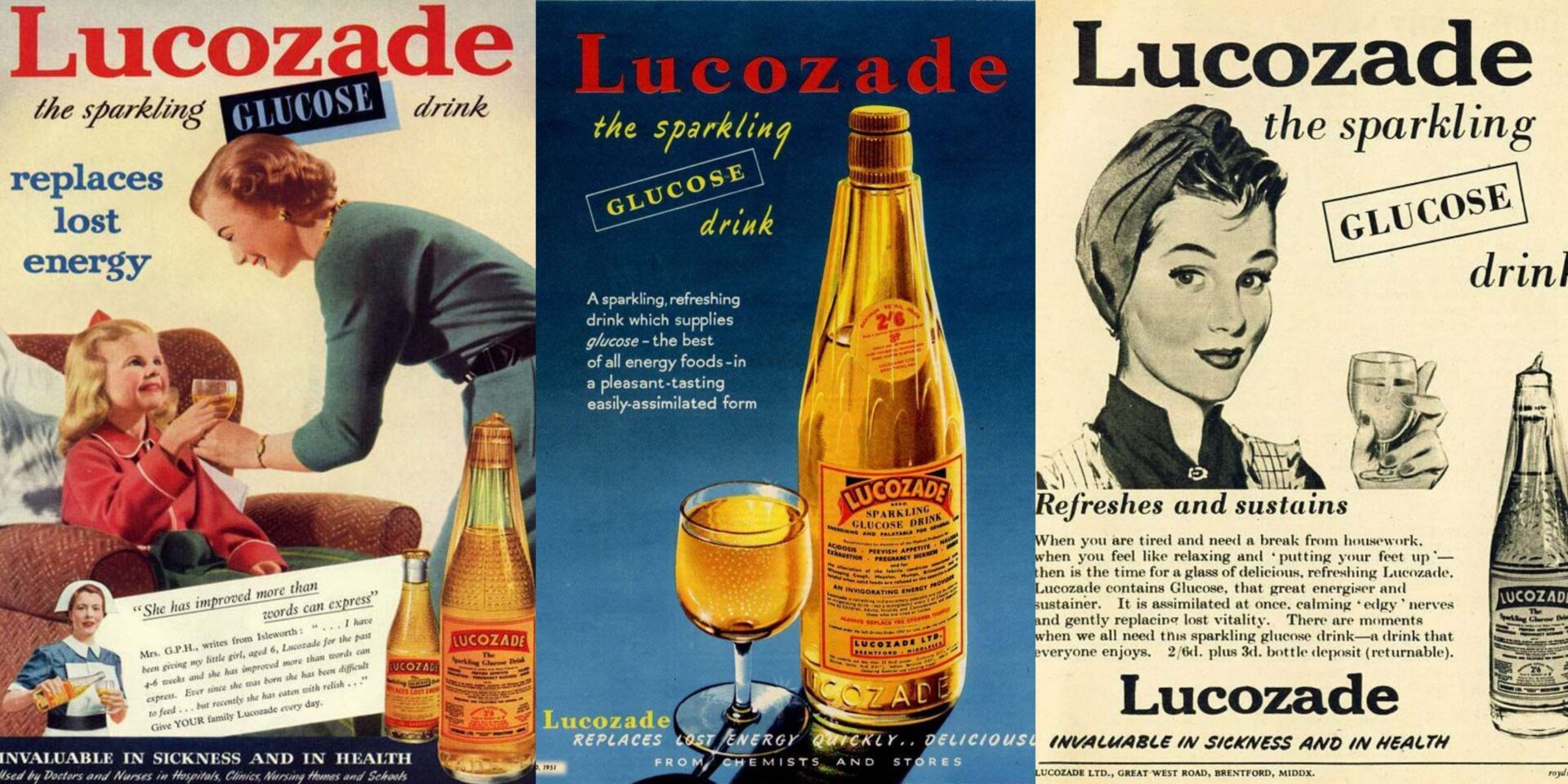
Image credit: Flashback
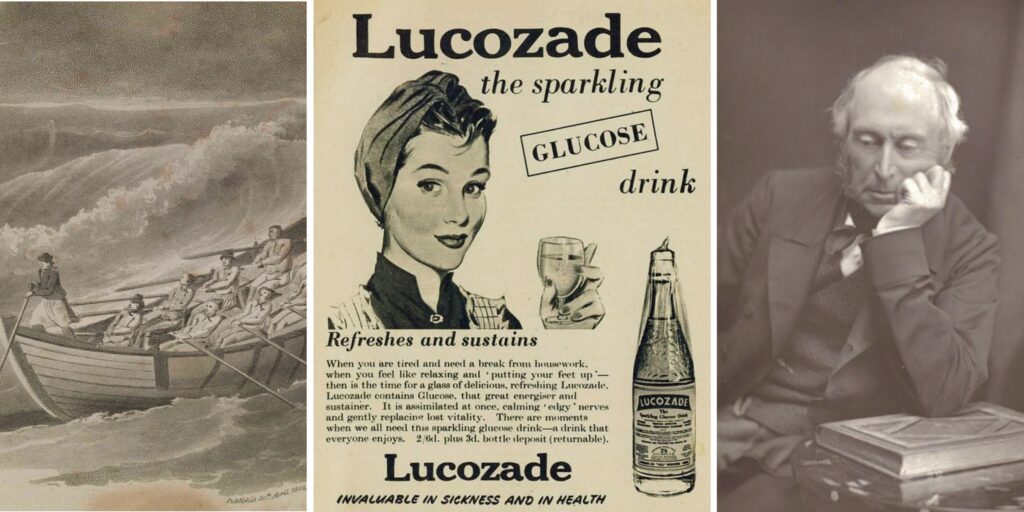
Lucozade wasn’t dreamed up by a sports scientist. In 1927, Newcastle chemist William Walker Hunter developed a glucose drink while working for W. Owen & Son.
Originally called Glucozade, it was marketed as a drink to help people recovering from illness. The name changed to Lucozade in 1929, and it would be decades before the brand was repositioned as the energy drink we know today.
So that orange bottle in your gym bag? Its roots are firmly in a Newcastle chemist’s laboratory.
THE ENGINE THAT OUTRAN THE ROYAL NAVY
Image credit: Newcastle University, Parson Town Info
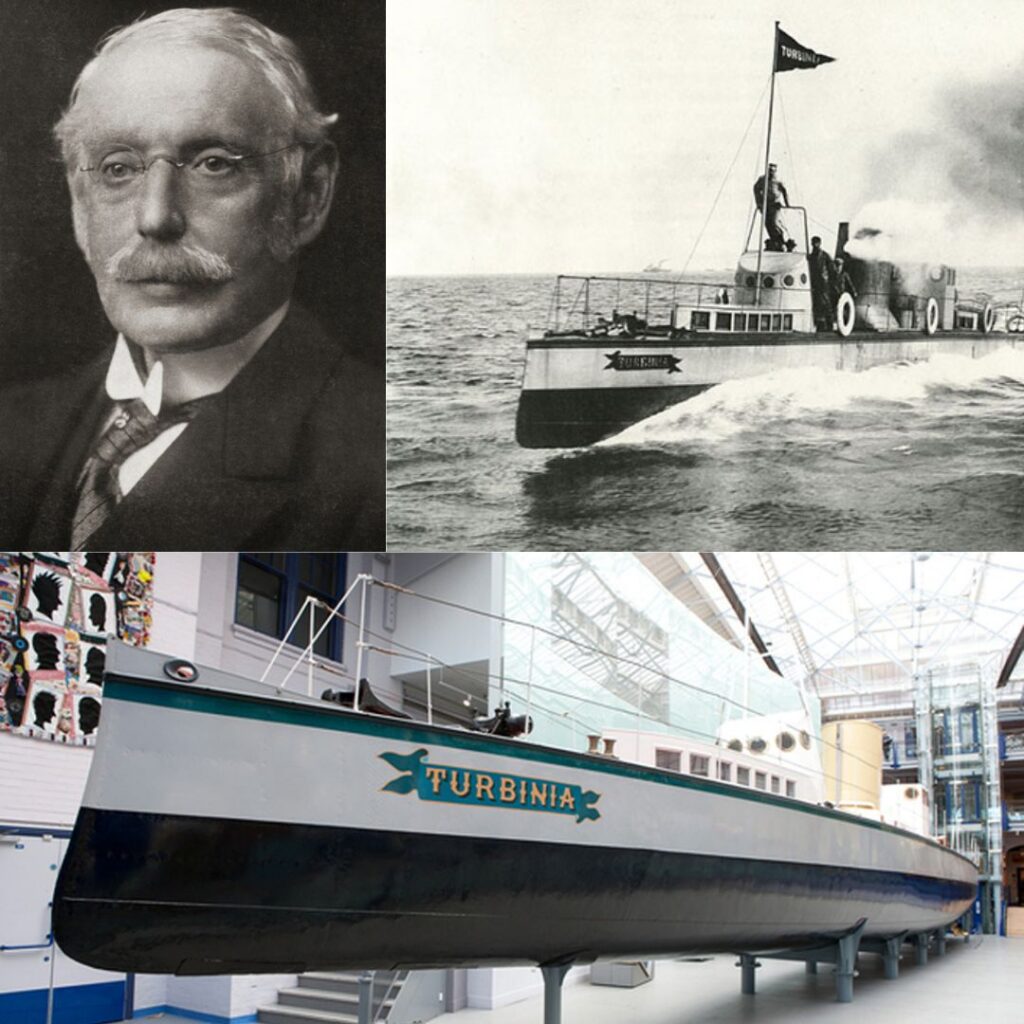
Charles Parsons developed his revolutionary steam turbine in Newcastle, and in 1894 his experimental vessel Turbiniawas launched at the Walker shipyard on the Tyne.
Three years later, Parsons decided the best way to demonstrate its potential was to gatecrash the Royal Navy’s Diamond Jubilee fleet review at Spithead. Turbinia tore through the assembled ships at around 34 knots, leaving the Navy’s vessels struggling to keep up.
The spectacular demonstration helped persuade naval and commercial shipbuilders of the potential of turbine propulsion. Within a decade, turbine-powered vessels were becoming an increasingly important part of modern shipping.
WHY THIS ALL STARTED HERE
None of this happened by accident. The North East had coal, iron, shipyards, engineering expertise and a genuine appetite for solving problems. That combination created an unusually fertile environment for inventors, engineers and industrial pioneers.
George Stephenson’s Stockton and Darlington Railway, the world’s first public railway to use steam locomotives, opened in 1825 and helped demonstrate the enormous potential of steam-powered transport.
The same spirit is still visible today, in the region’s universities, advanced manufacturing sites and growing reputation for clean energy research. It’s easy to think of invention as something that happens elsewhere and arrives here afterwards. The truth is much closer to the opposite.
From lifeboats to light bulbs, from windscreen wipers to turbine-powered ships, the North East has spent more than 200 years developing the tools and technologies the rest of the world now takes for granted.
Not bad at all for a corner of England that still doesn’t get nearly enough credit.



Rachael Ellis
Head of Content
After gaining a first in her BA Media and Journalism degree at Northumbria University, Rachael worked at Newcastle’s leading regional newspaper with her stories being picked up in national and global newspapers. She spent two very successful years giving a voice to those communities across the North East who otherwise…
Subscribe
Subscribe now to receive our twice-weekly emails and exclusive offers for High Life North readers.