



- Work Hard
- 2nd Sep 2026
- 0
- 0 minute
From a childhood visitor to Life, to sitting on the board: ten questions for Dr Laura Strain
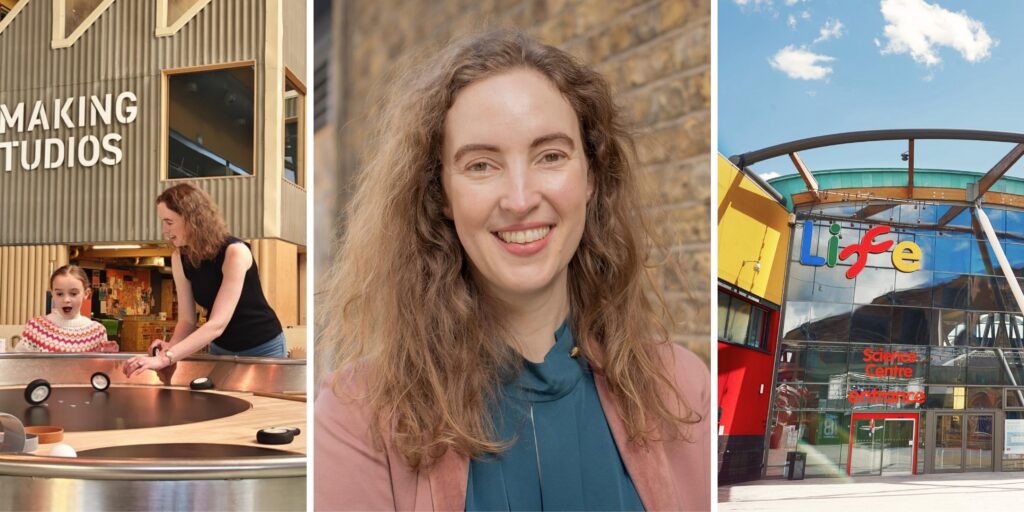
The Sunderland geneticist and Centre for Life trustee on the school science class that changed everything, twelve years in London, and why visibility, not ambition, is the North East’s real STEM problem.
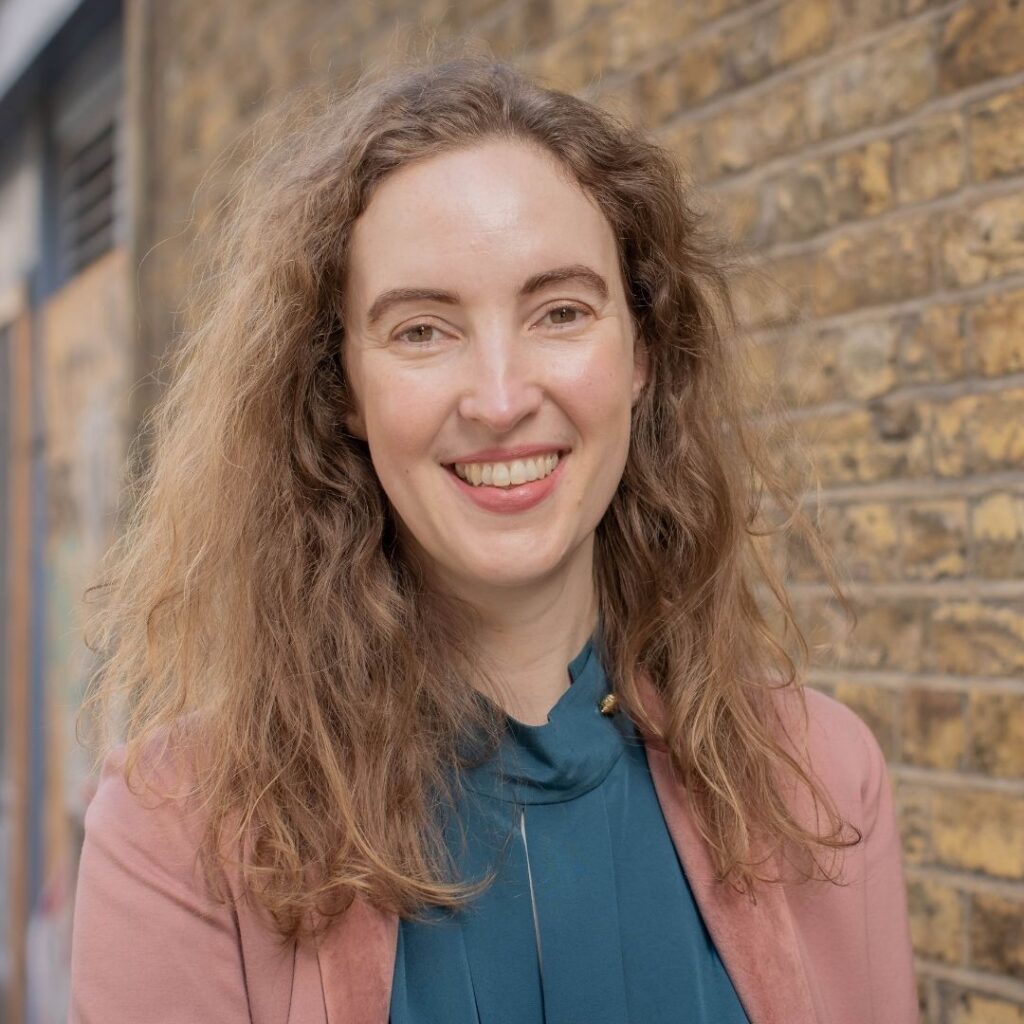
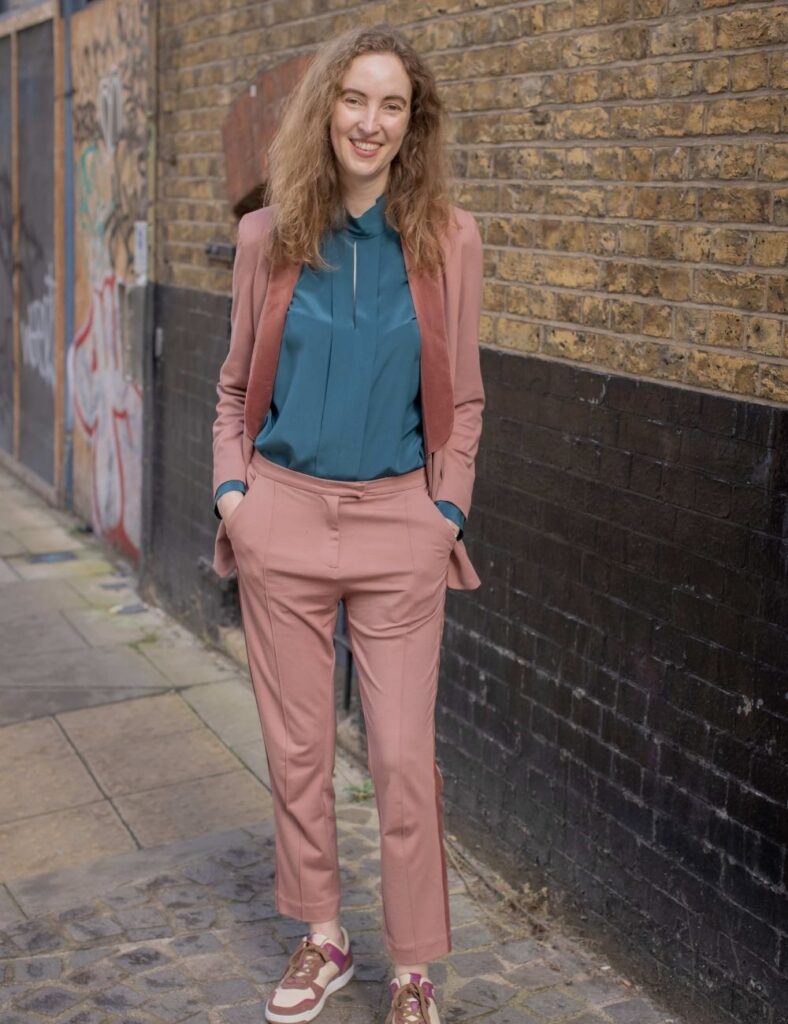
Dr Laura Strain first walked through the doors of Life at fifteen, on a family day out. Three decades on, the Sunderland geneticist and Centre for Life trustee has swapped the exhibition floor for the boardroom, built a career translating complex science into words the rest of us can use, and is asking what it will take to get more North East children into STEM.
She answers our questions on the full circle, the pull back to the North East, and the one exhibit she would save if she could only keep one.
1. Can you take us back to the visit to Life that started all of this? How old were you, and what was the thing that actually caught you?
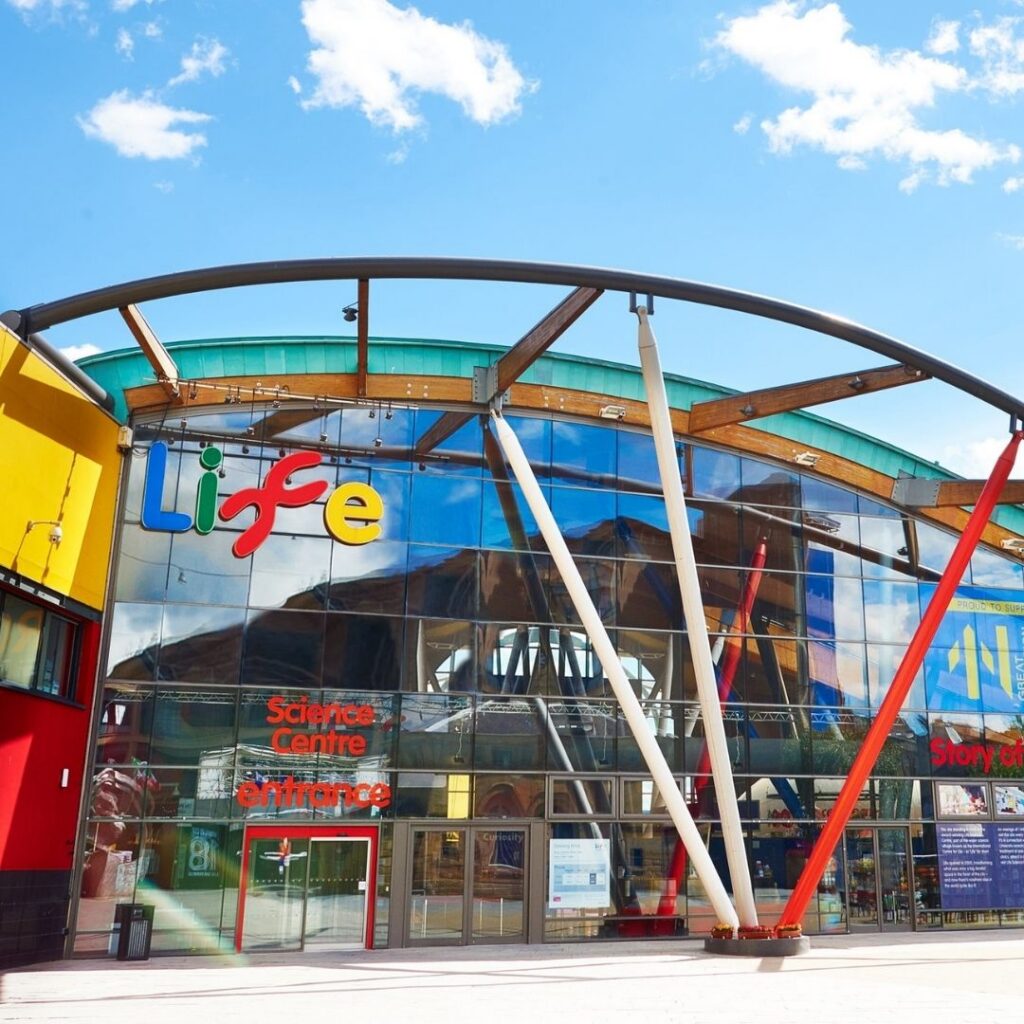
I was about fifteen when I first went to Life on a family visit. I loved the exhibitions and how hands-on they were, and it got me interested in science. But the moment that actually caught me was a couple of years later, back at Life on a school trip for a PCR class as part of my A-level biology course.
We extracted DNA from our own cheek cells, copied it and pipetted it into gels, in a lab that looked like the real thing. We took the gels home, and I remember proudly showing mine to my parents. I’m pleased it’s still one of Life’s most popular classes with school groups today.
2. You went from visitor, to student on placement, to trustee. What does it feel like to walk through the doors now?
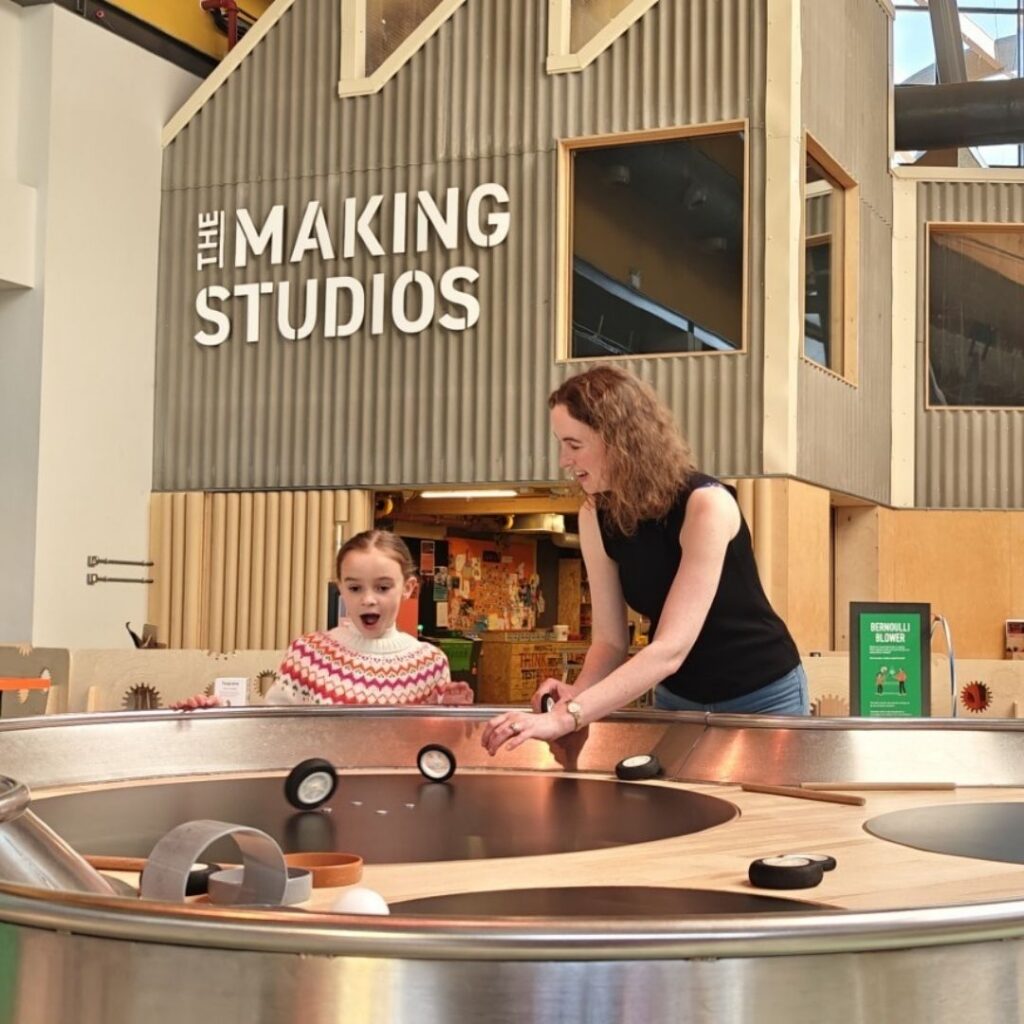
Strange, in the best way. I went on to study genetics at Newcastle, and my degree included placements back at Life, so by then I was on the other side of the exhibits, in the laboratories, working alongside world-class scientists. It was an amazing experience for a student.
Walking in as a trustee is different again. Alongside the science on display, I’m helping think about the institution behind it: how it’s funded, who it reaches, what it does next. It’s a genuine privilege to have a hand in the future of a place that inspired my own path, and so many others across the region.
3. What do you know now about how Life works behind the scenes that would have surprised you as a teenager standing in the exhibits?
I first found out Life was more than a science centre when I was choosing what to study at A-level. It wasn’t until much later, as a trustee, that I saw the full scale of it.
The Newcastle site is home to around thirty research groups and more than two hundred research, diagnostic and clinical staff, working for organisations including Newcastle University and the NHS. World-class genetic research happens in the same building where school groups run PCR classes. As a teenager, I had no idea I was standing a few doors down from it.
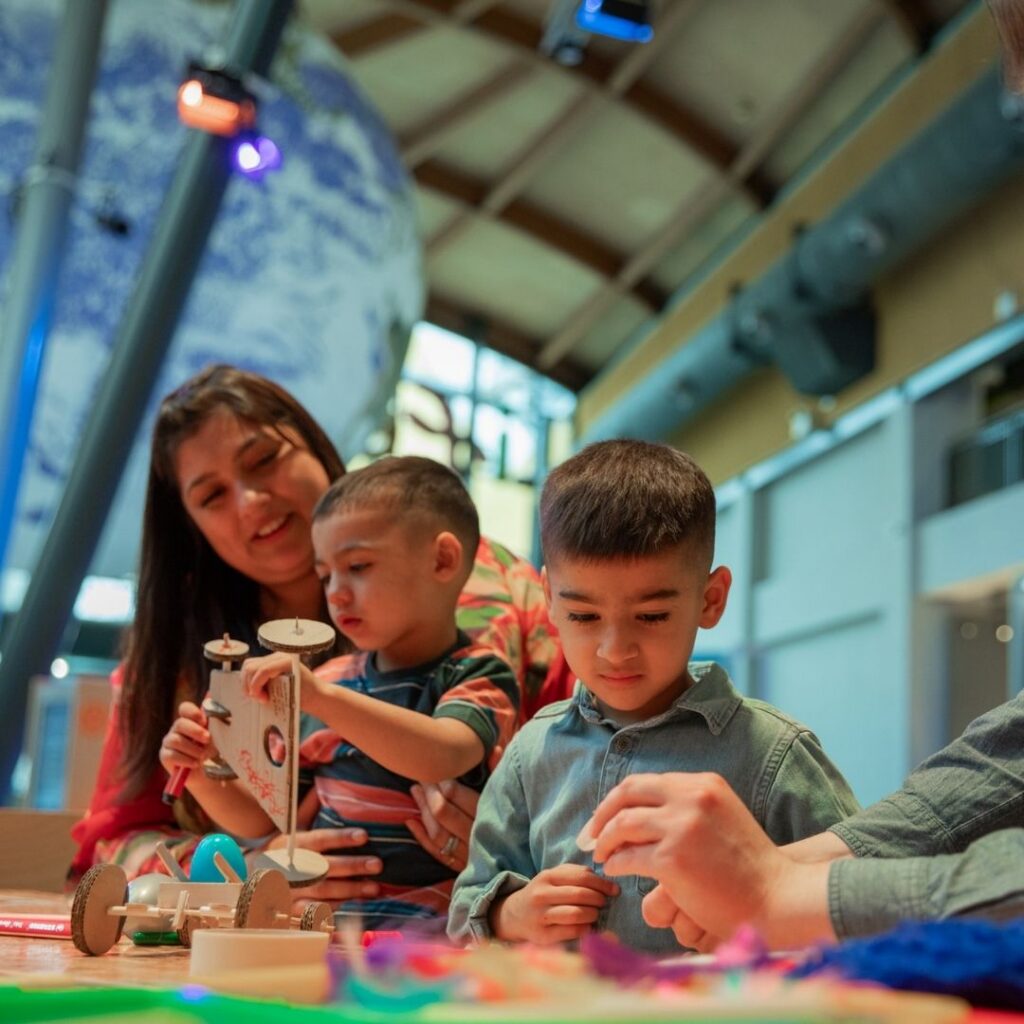
The other thing that surprised me was how much of Life’s work happens away from the exhibition floor entirely. There’s a dedicated outreach programme for home-schooled children, running curriculum-linked workshops and giving them access to a proper lab setting they’d never get at home, alongside a wider engagement offer built for everyone from pre-schoolers to teenagers. As a visitor, you see the science centre, but not the huge amount of work that goes into making sure the charity delivers its mission: to help people explore and enjoy science, regardless of their circumstances.
4 .Scientific communications is a career a lot of people have never heard of. What does a working week at Virgo Health actually look like?
No two weeks are the same, which is most of the appeal. I lead a large team working across global and UK portfolios for major pharmaceutical companies, so a week might involve supporting a client on a data communication strategy, planning and attending a scientific congress, creating a social media campaign to raise disease awareness, or sitting with a junior team member working through first drafts.
My expertise lies in taking something scientifically dense, a clinical trial result or a regulatory update, and creating a narrative that a doctor, a patient or a journalist can actually use. It’s important to spend as much
5. Health information is noisier than it has ever been. What have you learned about making complicated science land with people who are not scientists?
My PhD was in the genetics of obesity, with research published in Nature Genetics and Nature Communications, so I spent years immersed in data that meant a great deal to specialists and almost nothing to anyone else, until it was translated properly.
What I’ve learned is that data on its own rarely changes anyone’s mind or behaviour. People act on what a piece of information means for their own life, not on the number itself. So the job is always the same: take the evidence, find the human meaning inside it, then connect it to something that already matters to the person hearing it. Do that well, and complicated science can stop feeling complicated.
6. After twelve years in London, what made the North East the right place to bring your family back to?
Definitely being back closer to my family, and the chance to live right by the coast. Living through the Covid lockdown in a flat in central London wasn’t easy for anyone. When hybrid working came in, my company was incredibly supportive of us moving out of London as things started to open up again. We managed to buy a house right on the coast in Sunderland, and a place came up at the local primary school for our daughter, so it all fell into place.
It was fantastic to live in London. It’s exciting, busy and intense, with more to experience than almost anywhere else. We still miss it and visit regularly for work and to catch up with friends, but there’s nowhere else in the country quite like the North East for community and friendliness. There’s a real entrepreneurial energy here too, in the people around me and the businesses they’re building. My husband set up his own legal consulting firm a couple of years ago, and it continues to go from strength to strength thanks to the network supporting each other.
Coming home didn’t feel like a step down career-wise either, which surprised some people. I still lead a growing global client portfolio from Sunderland, exactly as I would from anywhere else in the world.
7. Where do you take people when you want to show off the North East?
A firm favourite is Cragside in Northumberland, or up the coastline to Bamburgh Castle. We stayed in the castle’s Clock Tower last Halloween, which was the most amazing experience. I also love the coastal path from Roker, through Seaburn, up to South Shields. North in Seaburn is one of my favourite places for dinner, with such a talented young female head chef and a great seasonal menu.
8. Does the North East have a STEM pipeline problem, an aspiration problem, or a visibility problem?
I’d say a visibility problem before anything else. Most children aren’t short of curiosity or ambition. What they’re often short of is proximity to someone who looks and sounds like them, doing the job they might want.
Life exists to try to close that gap, and its education programmes have reached thousands of local schoolchildren. It welcomes around a quarter of a million visitors a year. A child doesn’t need to see a scientist as distant and unfamiliar, they can watch one work in the centre of Newcastle, on a Tuesday. It’s what got me involved in science, and I hope it’ll get more kids involved as we continue that work.
9. What is one small thing a parent can do at home that makes more difference than people think?
Ask more questions than you answer. Children are natural scientists already: they test, they observe, they ask “why” far more than adults do. The most useful thing a parent can do is resist the urge to shut that down with a quick answer, and instead ask “what do you think, and why?”
You can do it anywhere: in the kitchen, in the garden, in the car. You don’t need a science background to raise a curious child, just curiosity alongside them.
10. What exhibit at Life would you save if you could only keep one?
The dome shows, without hesitation. They’re written, storyboarded and built entirely in-house by the award-winning Life team. Having seen how that work comes together, I’m genuinely in awe of the talent behind it. Anyone who hasn’t seen the internationally awarded Life: The Greatest Story should visit.




Subscribe
Subscribe now to receive our twice-weekly emails and exclusive offers for High Life North readers.