







- Feel Good
- 10th Jul 2026
- 0
- 0 minute
I cut back on ultra-processed foods: these are the six biggest changes I noticed
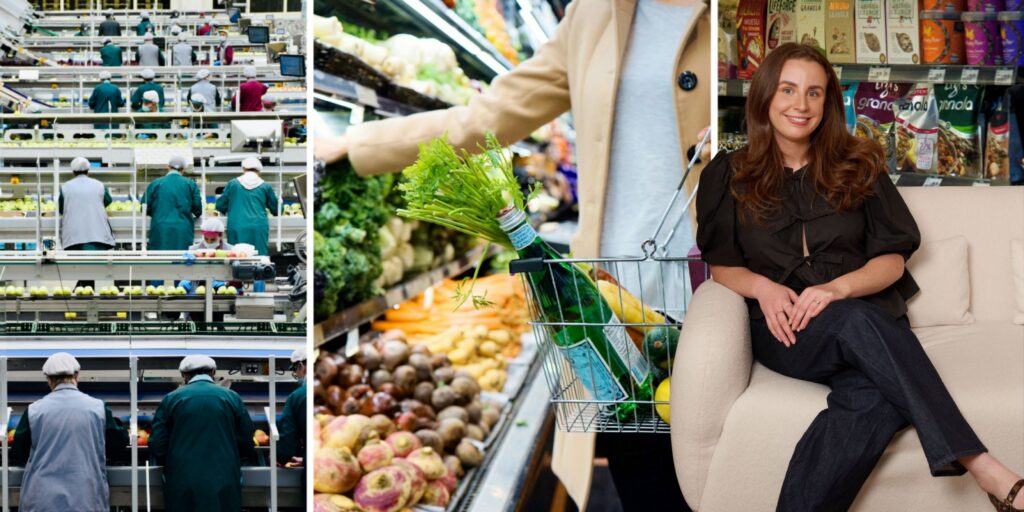
Ultra-processed foods (UPFs) have become one of the biggest talking points in nutrition.
They’re foods that have been heavily altered from their original ingredients and often contain additives, flavourings, preservatives and emulsifiers to improve taste, texture or shelf life. They include everything from ready meals and fizzy drinks to crisps, biscuits and many breakfast cereals.
I’d been hearing more and more about the potential benefits of cutting back on UPFs, so I decided to give it a go. I wasn’t aiming for perfection or banning every convenient food, but instead focusing on eating more whole, minimally processed ingredients. After a few weeks, I started noticing some unexpected changes.
THE BENEFITS
I wasn’t constantly bloated
The first thing I noticed was how much more comfortable I felt after eating. That heavy, sluggish feeling I’d often get after meals became much less common, and I no longer felt like I needed to undo the top button of my jeans after dinner.
Whether it was the extra fibre, fewer processed ingredients or simply eating more balanced meals, my digestion definitely seemed happier.
My periods became easier
This was probably the biggest surprise.
I’ve always experienced cramps, but after changing the way I ate, they became noticeably less intense. My periods felt much more manageable overall, and I found myself reaching for painkillers far less often.
Everyone’s experience will be different, but it was one of the most welcome changes I noticed.
My skin looked clearer
A few weeks in, I realised I was wearing less concealer. My skin looked brighter, felt calmer and I wasn’t dealing with as many random breakouts.
There are plenty of things that affect our skin, so I can’t say changing my diet was the only reason, but it certainly seemed to help.
I had more energy
Instead of reaching for another coffee or something sweet at 3pm, my energy levels stayed much steadier throughout the day.
Meals built around protein, healthy fats and plenty of fruit and vegetables kept me fuller for longer, and I didn’t experience the same highs and lows I’d become used to.

My cravings almost disappeared
One of the biggest changes was how much less I craved sugary snacks.
Before, I’d almost automatically reach for chocolate after dinner or find myself searching the cupboards for something sweet during the afternoon. Now, I still enjoy treats when I fancy them, but the constant cravings have largely disappeared. It feels much more like a choice than a habit.
I started sleeping better
I also noticed I was sleeping more soundly. I found it easier to fall asleep, woke up feeling more refreshed and generally had more energy the following day.
It’s hard to pinpoint exactly why, but better sleep quickly became another unexpected bonus.
THE DOWNSIDE
My food shop costs more
As much as I’ve loved the benefits, my weekly supermarket bill has definitely increased.
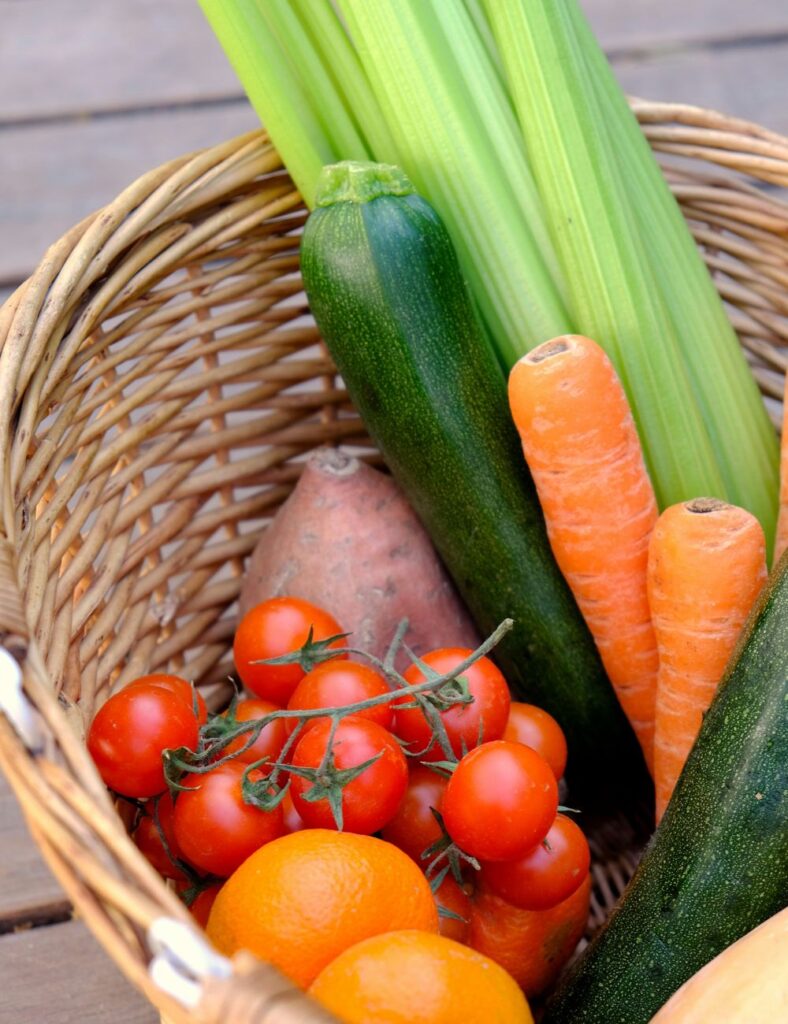
Fresh fruit and vegetables, good-quality meat and fish, nuts, seeds and other whole ingredients are often more expensive than ultra-processed alternatives. It’s a reminder that eating this way isn’t equally accessible for everyone, and affordability is a very real barrier.
It also takes more time
Cooking from scratch naturally means spending more time planning meals, shopping and preparing food.
There have definitely been evenings when a ready meal would have been much easier than chopping vegetables after a busy day. Batch cooking has helped, but there’s no denying this way of eating requires more time and effort.
Will I never eat an ultra-processed food again? Absolutely not. Life is about balance, and I still enjoy the occasional takeaway or slice of cake without feeling guilty. But cutting back has made me feel noticeably better in ways I wasn’t expecting – from less bloating and fewer cravings to better sleep, clearer skin and easier periods. For me, those changes have made the extra effort, both in the kitchen and at the checkout, feel worthwhile.
Disclaimer
This article is for general information and inspiration only, and isn’t intended as medical or nutritional advice. Everyone’s body and circumstances are different, so if you’re thinking about making changes to your diet, it’s always worth having a chat with a GP, dietitian, or other qualified health professional first.



Beth Williams
Head of Digital
Beth is our Head of Digital and can be credited with how everything at HLN ‘looks’ – from the website to our social media and twice-weekly emails. She’s also the super organised one in the team and keeps us all on-track. A born and bred scouser, Beth moved to Newcastle…
Subscribe
Subscribe now to receive our twice-weekly emails and exclusive offers for High Life North readers.