







- Feel Good
- 24th Jun 2026
- 0
- 0 minute
Training for the Great North Run? Newcastle physio reveals tips to get race-ready
- Advertisement Feature
There’s nothing quite like Great North Run day in the North East. The Red Arrows overhead, the roar on the Tyne Bridge and the long sweep down to the South Shields seafront – it’s the run that means more here than anywhere else.
But between now and that famous start line lies months of training, and that’s where things can go wrong.
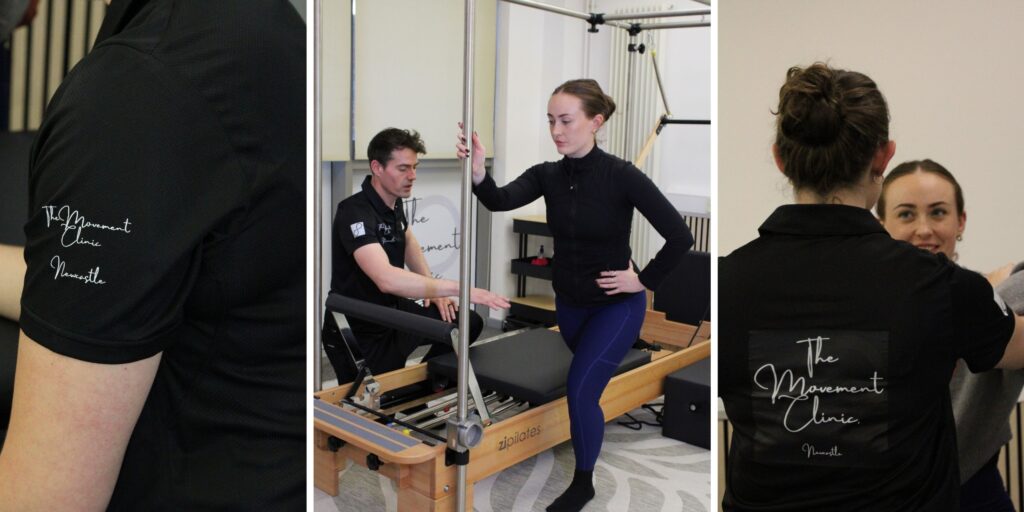
Between them, they’ve tackled everything from 5Ks to ultramarathons, so when they share their advice on getting to the start line strong, it’s worth listening.
If you’re running the Great North Run, here’s some advice to get you on track
DON’T WAIT FOR PAIN TO STOP YOU IN YOUR TRACKS
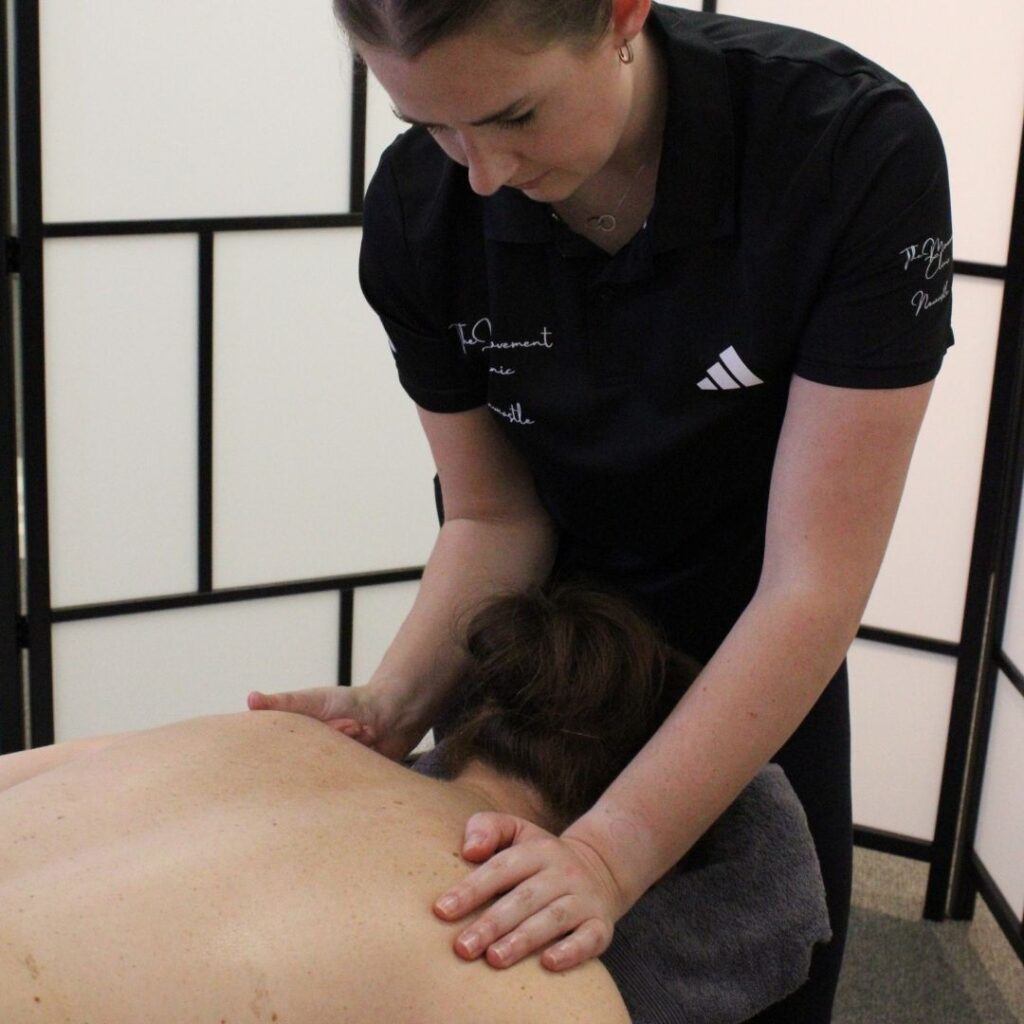
If there’s one message the team at The Movement Clinic want to land, it’s this: don’t muddle through.
“Don’t wait for the pain to stop you in your tracks,” says Ashleigh. “If you’re training for the Great North Run, booking an Initial Assessment with us now is the smartest way to identify weaknesses and stop niggles before they ruin your race day. You still have time to get an injury sorted and train well, but if you muddle through pain until July or August, you’re leaving it very late.”
It’s a pattern they see every year. Assessments are £90 and their diary fills up in late summer with runners who’ve pushed through for weeks, when a check-in back in spring would have kept them happily ticking off the miles.
STARTING YOUR TRAINING? HERE’S WHAT MATTERS IN THE EARLY WEEKS
If you’re lacing up for the first weeks of your plan, the priority is building a safe baseline — not heroics.
In other words, your lungs might feel ready for more, but your Achilles is still catching up. Which brings us to…
THE MOST COMMON RUNNING INJURIES (AND HOW TO AVOID THEM)
Ask any Newcastle physio what walks through the door during half-marathon season and you’ll hear the same culprits.
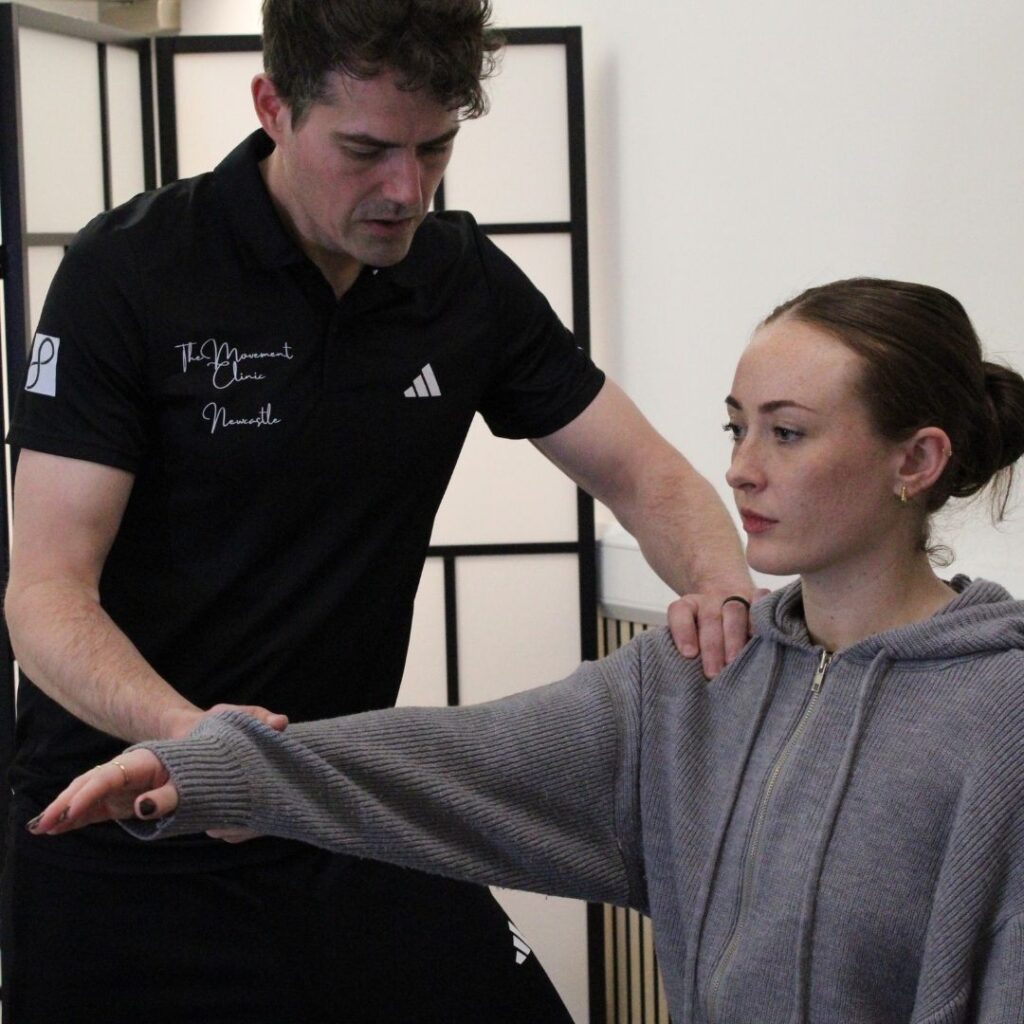
“We see a lot of Achilles tendinopathy, knee pain and ankle sprains,” says Ashleigh. “These almost always happen because people progress in distance or pace too fast. The best way to avoid them from the outset is to come in for an assessment, so we can identify any muscular imbalances before the repetitive impact of running turns them into an ongoing injury.”
The good news? Running doesn’t have to result in injuries. Most are entirely preventable when niggles are caught early.
THE GOLDEN RULE FOR INCREASING YOUR MILEAGE
With long runs creeping up week by week, this one’s worth writing on your fridge.
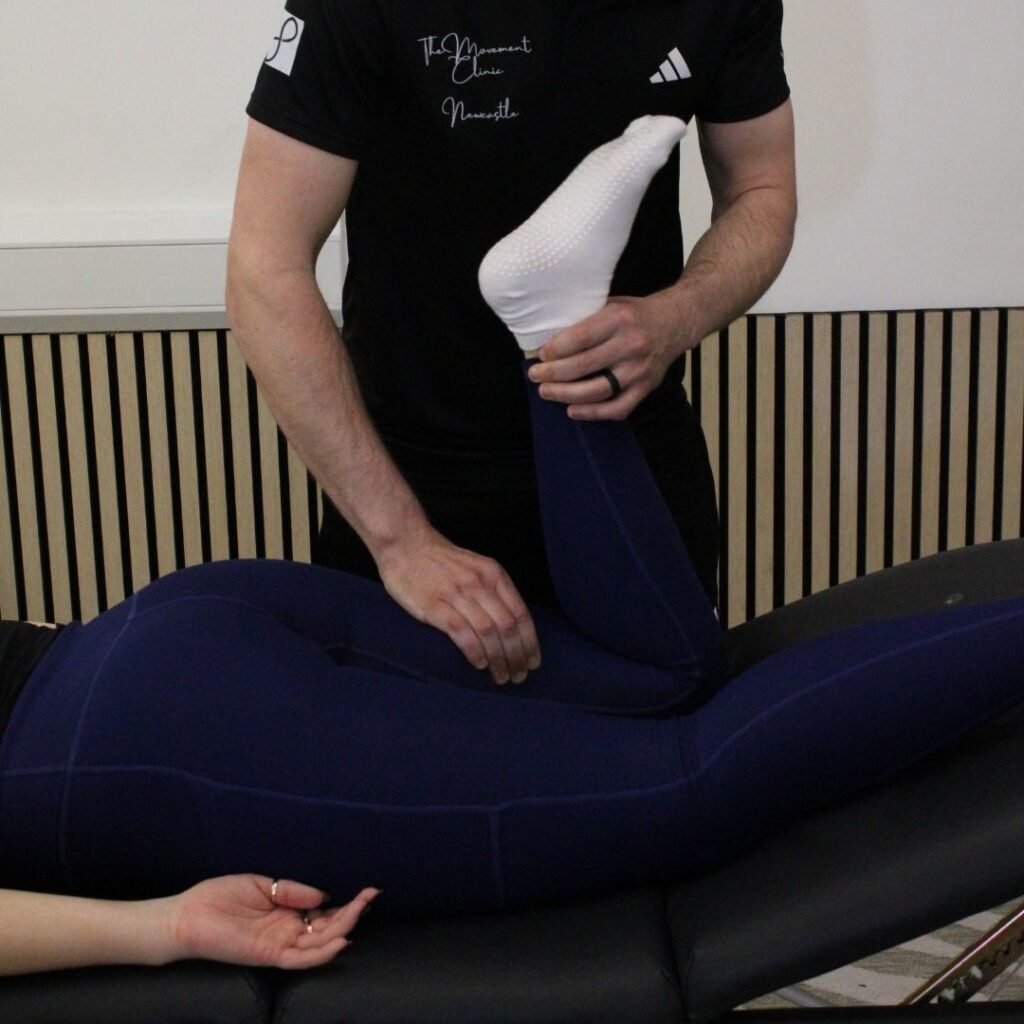
“The golden rule is the 10% rule, don’t add more than 10% distance or pace per week and definitely don’t increase both at the same time. When people get this wrong, they overwhelm their tissue tolerance, which is exactly when we see them walking through our doors in pain.”
says John.
RECOVERY ISN’T LAZY – IT’S HOW THE PROS TRAIN
Underestimating rest is, in the team’s words, exactly what fills their diary in July and August. But recovery doesn’t mean writing off your week on the sofa.
“It’s about smart load management,” says Ashleigh. “Walk-run strategies and breaking lower-paced runs into intervals are the secrets pros use to avoid injury and keep coming back, day in, day out.”
Intervals aren’t just for sprint sessions — used cleverly, they’re one of the most powerful injury-prevention tools a distance runner has. During an Initial Assessment, the team will help you structure recovery specifically for your fitness level.
STRENGTH TRAINING FOR RUNNERS (NO GYM MEMBERSHIP REQUIRED)
Should runners be strength training? Absolutely and it’s far simpler than you might think.
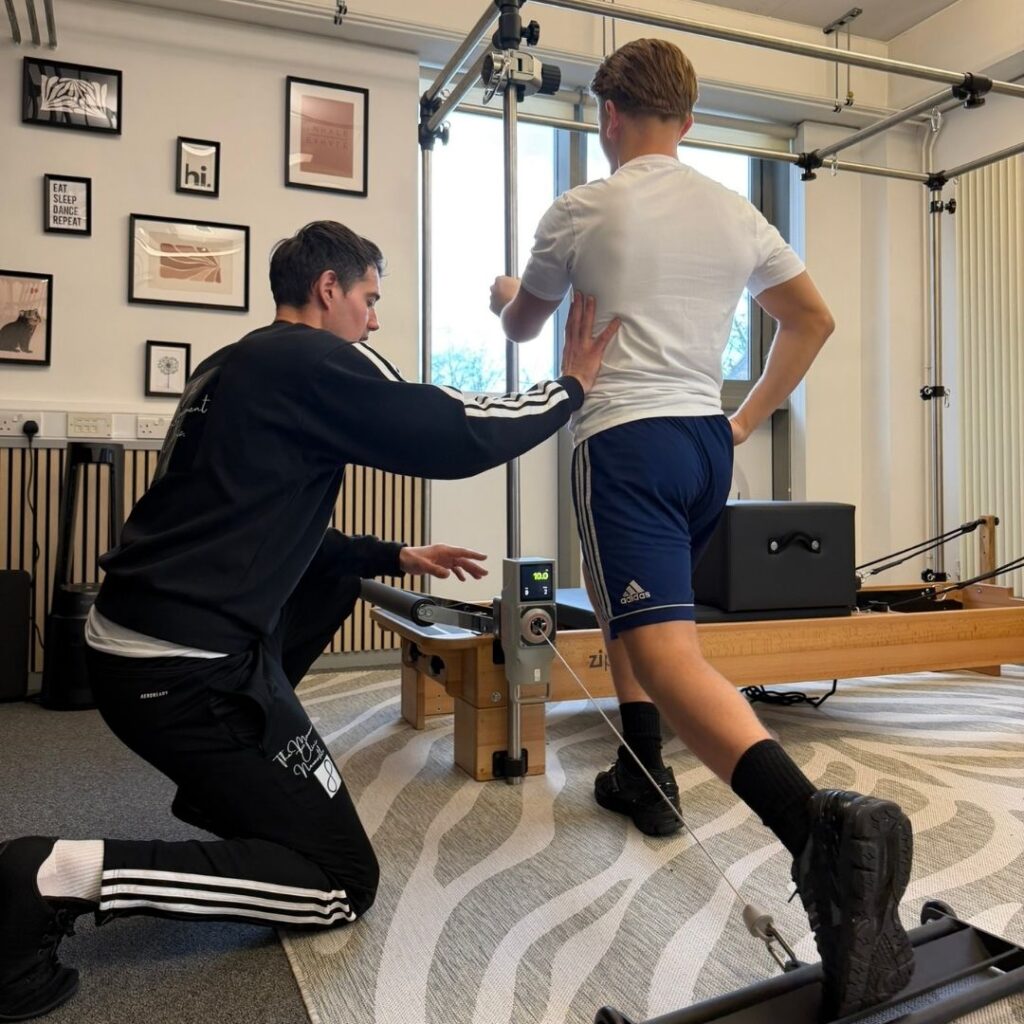
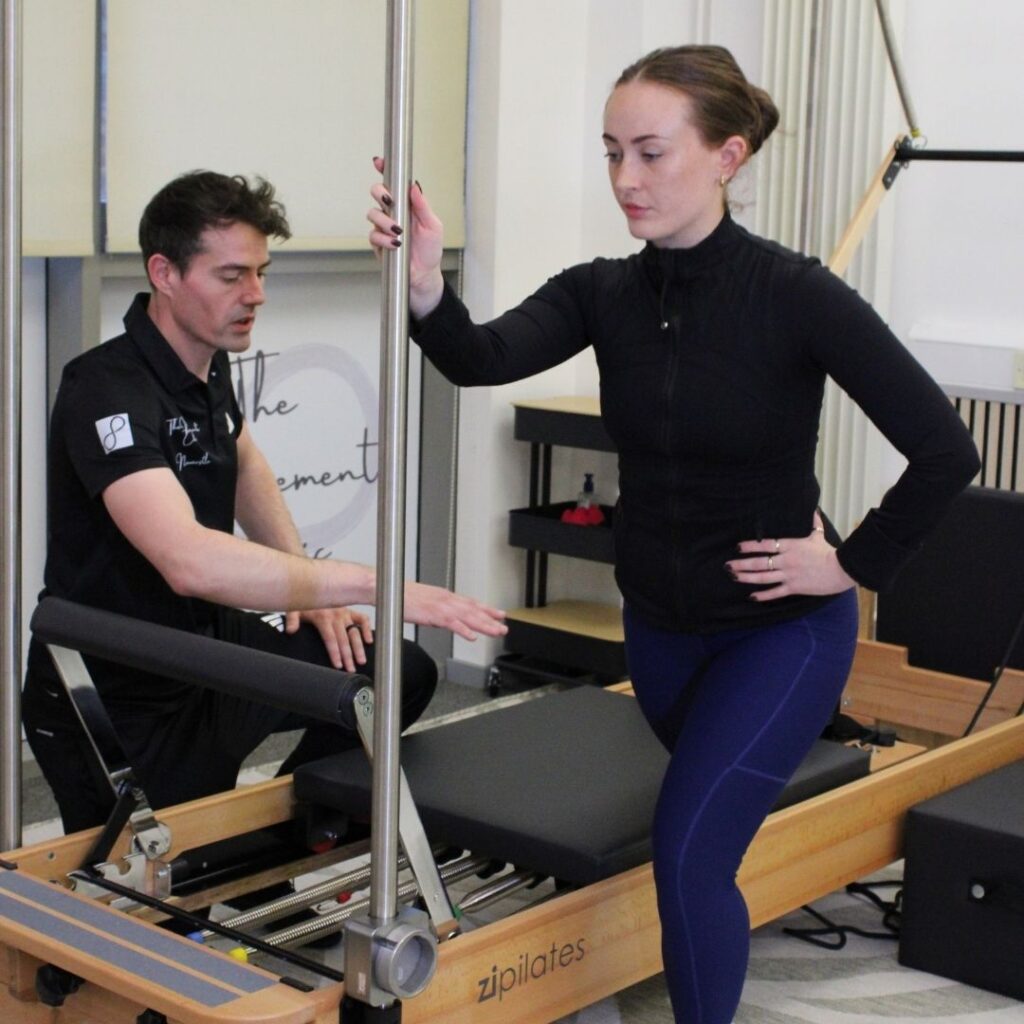
“You don’t need to spend hours in a gym,” says John. “A few exercises done as a circuit are proven to build run-specific strength. We teach a highly effective routine using bent-leg heel raises, tibialis raises, kickstand Romanian deadlifts and quarter squats and when you book in, we tailor those exact movements to target your personal weak links.”
Because The Movement Clinic operates a boutique Pilates studio alongside its physio clinic, runners also get access to the reformer, used here to train the really specific motor patterns running demands. Mobility matters too, and not in an Instagram-contortionist way.
“It’s not about being able to do the splits,” says Ashleigh. “Mobility is about having a range of motion that allows you to do the things you love with strength and grace.”
NIGGLE OR INJURY? THE WARNING SIGNS TO WATCH FOR
So how do you know when to push on and when to book in?
“There’s a big difference between normal muscle soreness and an injury,” says John. “If a pain is sharp, localised, lasts for more than three days, or is forcing you to alter your running stride, you need to book an Initial Assessment immediately. Pushing through a biomechanical change is the fastest way to turn a two-week niggle into a two-month rehab block.”
And if you’ve rested a niggle for a few days only for it to flare straight back up on your next run? That’s your cue for a professional diagnosis.
WHY THE MOVEMENT CLINIC IS THE NEWCASTLE PHYSIO RUNNERS TRUST
What sets The Movement Clinic apart is the depth of the deep dive. The team learnt their assessment skills from international sports physios and their hands-on skills from osteopaths, and outside running they work in the exacting world of performing arts. An initial assessment here doesn’t just look at the injury, it looks at your entire movement profile, with 80% of the focus on fixing the root cause and 20% on immediate symptom relief through targeted therapies like laser therapy, mobilisation, massage and taping.
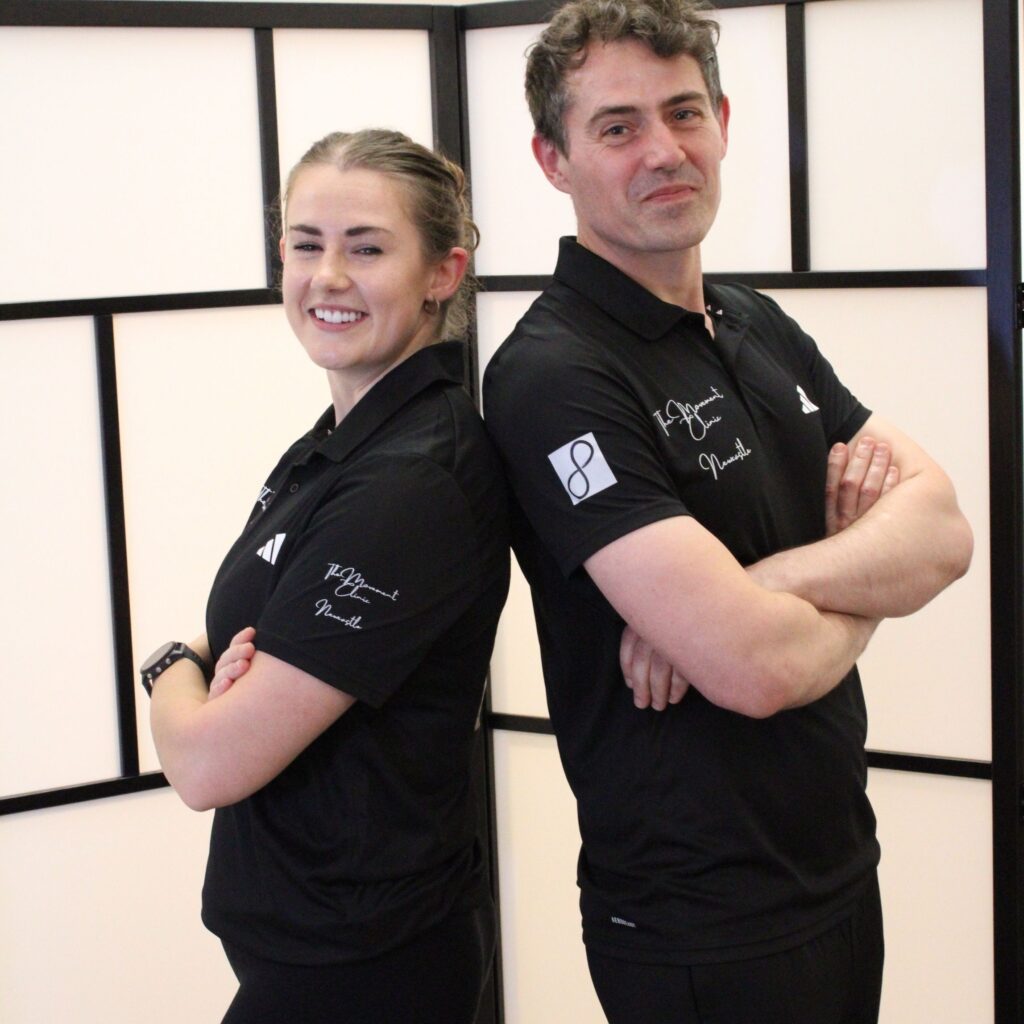
“We’re incredibly passionate about helping the North East running community,” says Ashleigh. “We know how much the Great North Run means to this region. We want to see you on that start line feeling strong, which is why an early Initial Assessment is the best investment you can make in your training.”
GET RACE READY WITH THE MOVEMENT CLINIC
Whether you’re chasing a PB or determined to make it from Newcastle to South Shields in one happy piece, the message is clear: train smart, catch niggles early and don’t leave it until August.
The Movement Clinic, Dance City, Temple Street, Newcastle upon Tyne
NE1 4BR



Rachael Ellis
Head of Content
After gaining a first in her BA Media and Journalism degree at Northumbria University, Rachael worked at Newcastle’s leading regional newspaper with her stories being picked up in national and global newspapers. She spent two very successful years giving a voice to those communities across the North East who otherwise…
Subscribe
Subscribe now to receive our twice-weekly emails and exclusive offers for High Life North readers.