







- Feel Good
- 4th Jun 2026
- 0
- 0 minute
The hidden gem waterfall walk in Northumberland with mysterious ancient rock carvings
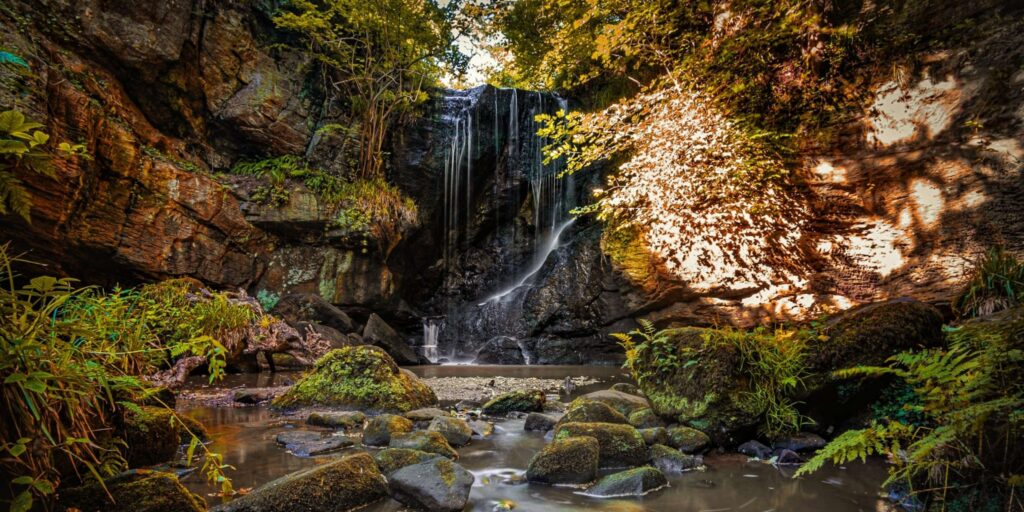
Not far from the village of Ford in Northumberland, tucked away in a tree-lined ravine, lies one of the county’s most enchanting and least visited natural spectacles.
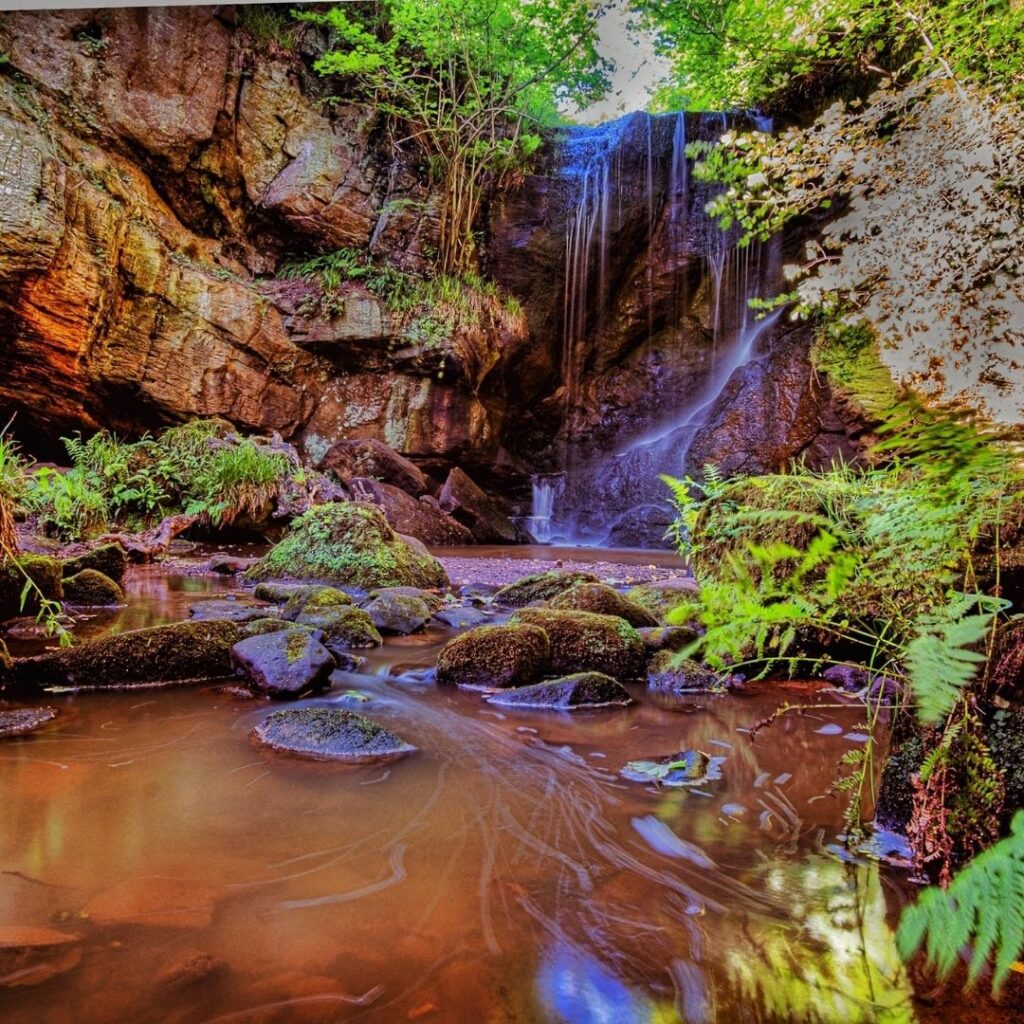
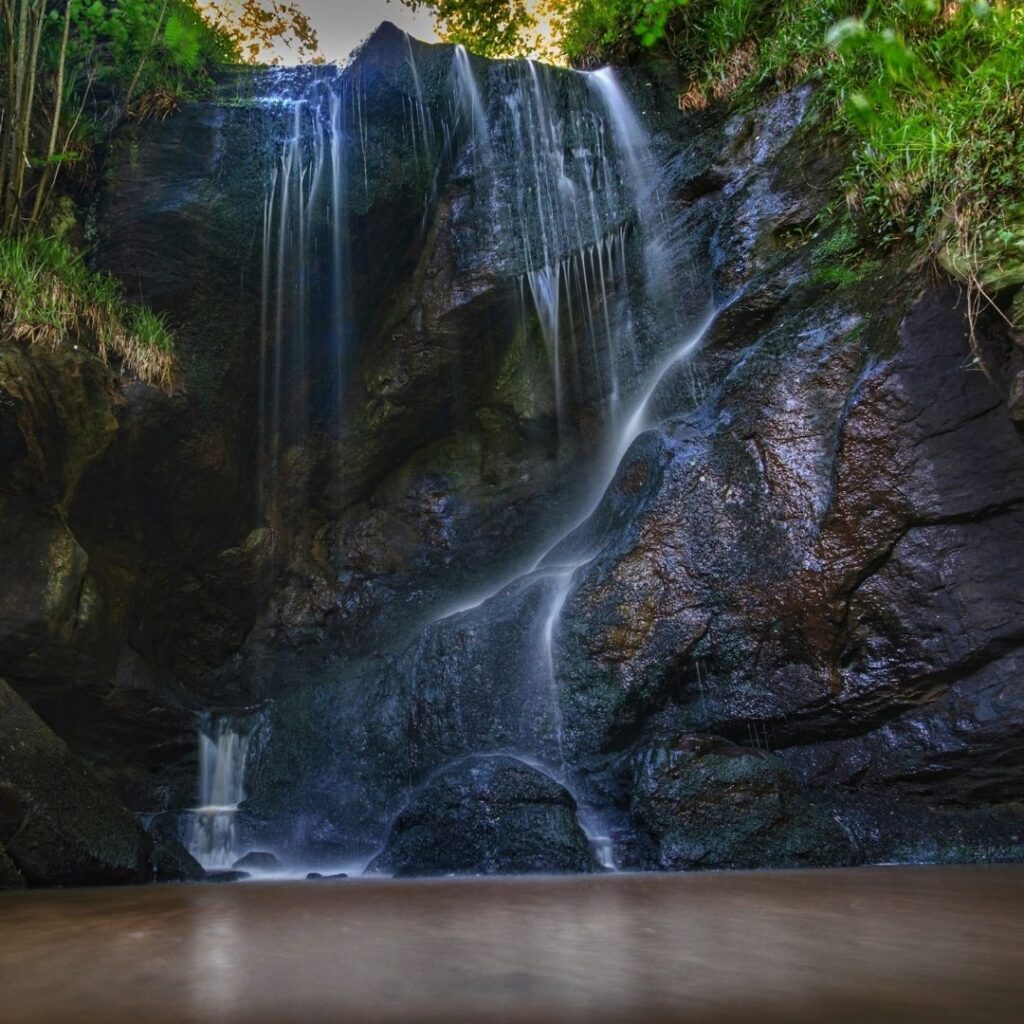
Routin Lynn is a waterfall that drops a dramatic 20 feet into a clear, peat-browned pool, the kind of place that makes you stop mid-step and simply listen. The roar reaches you before you see it.
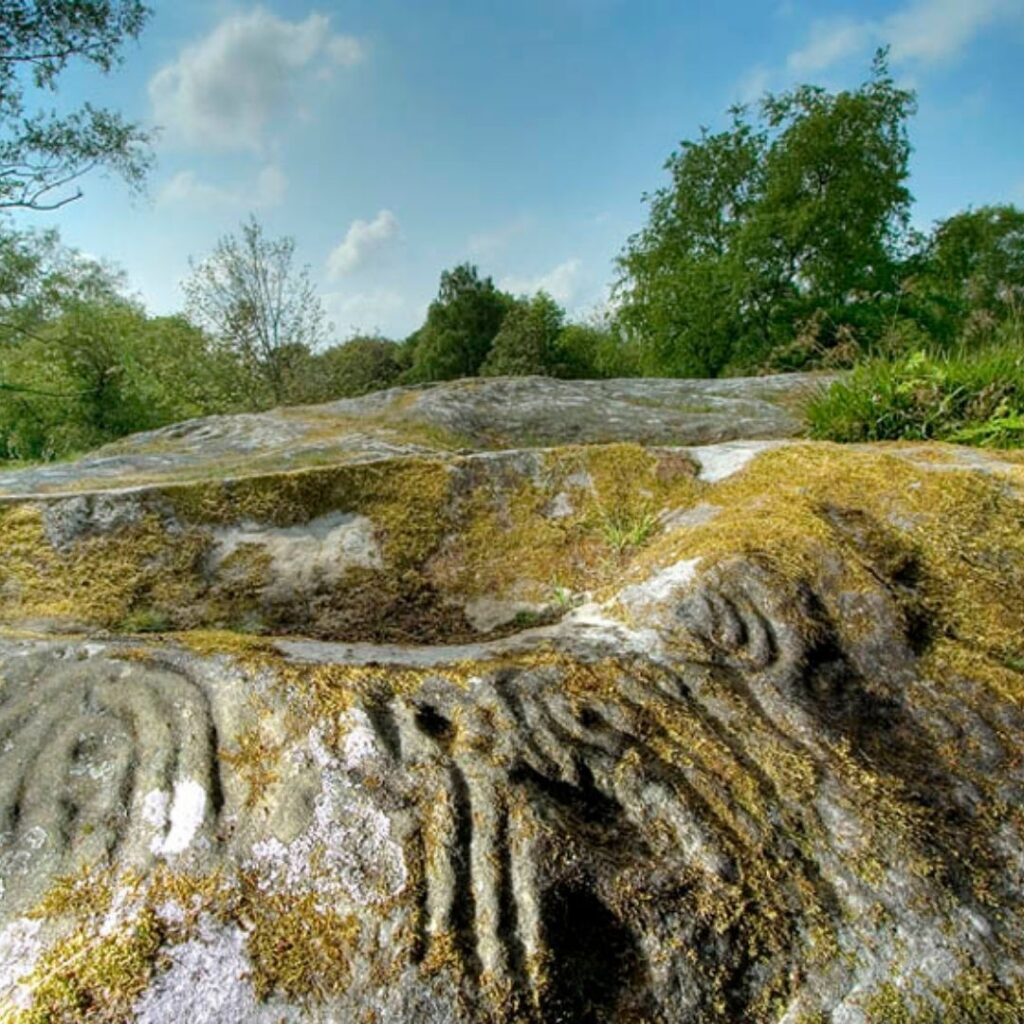
This walk has everything: ancient woodland, a hidden waterfall, sweeping countryside, a nature reserve teeming with wildlife, and, most intriguingly of all, a collection of 4,000-year-old carvings etched into a slab of grey sandstone that have baffled archaeologists ever since they were discovered.
It is, in other words, the perfect Northumbrian outing…
THE DETAILS
Distance: 5.3 miles (8.5km)
Challenge: Moderate
Start postcode: TD15 2QF (approximate for rural location).

A WATERFALL WORTH GETTING YOUR BOOTS MUDDY FOR
The fall drops into a pool that, on a warm summer’s day, looks so tempting – if you’re feeling brave enough for a wild dip, that is. The water rushes over dark Northumbrian rock and lands with a satisfying crash that bounces around the narrow gorge, while mosses and ferns crowd the banks on either side. It feels prehistoric down here. Which, as it turns out, is rather fitting.
Just downstream, half-hidden beneath a tangle of tree roots, is a small cave. It’s thought this shallow recess may once have sheltered Stone Age visitors who made their own pilgrimage to this very spot. Somehow, that makes it feel even more special.
STONES THAT HAVE PUZZLED EXPERTS FOR CENTURIES
A short walk from the waterfall, you’ll find something that might just stop you in your tracks: dozens of cup and ring markings etched into an exposed outcrop of grey sandstone. These shallow circular depressions, some ringed with concentric grooves, others standing alone, are thought to be around 4,000 years old, dating back to the Neolithic period.
You’ll find similar petroglyphs scattered across the British Isles and into Europe, and yet nobody has ever agreed on what they actually mean. Experts have put forward all kinds of theories – mystic ritual, astronomical calendars, territorial maps, but the honest answer is that nobody really knows. There’s something quietly thrilling about that.
THE WALK
The walk begins at the remains of Ford Castle and heads east through open, unhurried countryside. You’ll pass through Ford Moss Nature Reserve, a wonderfully boggy heathland where red grouse, meadow pipits and woodcock are all regular sightings. It’s worth slowing down on the path edges too, because common lizards love to bask here on warmer days, and adders have been spotted on occasion (though they’ll want nothing to do with you, promise).
Continuing east, the land rises gently towards Goatscrag Hill before dropping down towards the Broomridgedean Burn, which is, honestly, a river name worth the trip alone. You’ll hear the waterfall before you see it, which only adds to the sense of discovery when you finally push through the trees, and there it is. The return leg follows the same route back to Ford, and it’s worth taking your time, the countryside often looks surprisingly different in the afternoon light.
GETTING THERE AND FINDING THE FALLS
The walk starts at the remains of Ford Castle in the village of Ford (postcode TD15 2QF — approximate for this rural spot). Park on the side of the no-through road opposite. Look for the weathered signpost for Routin Linn Farm, don’t be thrown by the spelling, you’ll also see it written as Routin Lynn locally, and both are right.
Follow the farm track for around 100 metres until you can hear the water rushing to your left. A rough path through the woodland leads down to the waterfall and pool. The cup and ring markings are a short walk from the falls on an exposed sandstone outcrop – keep an eye out for a flat grey slab with shallow circular carvings etched into the surface.
POST-WALK
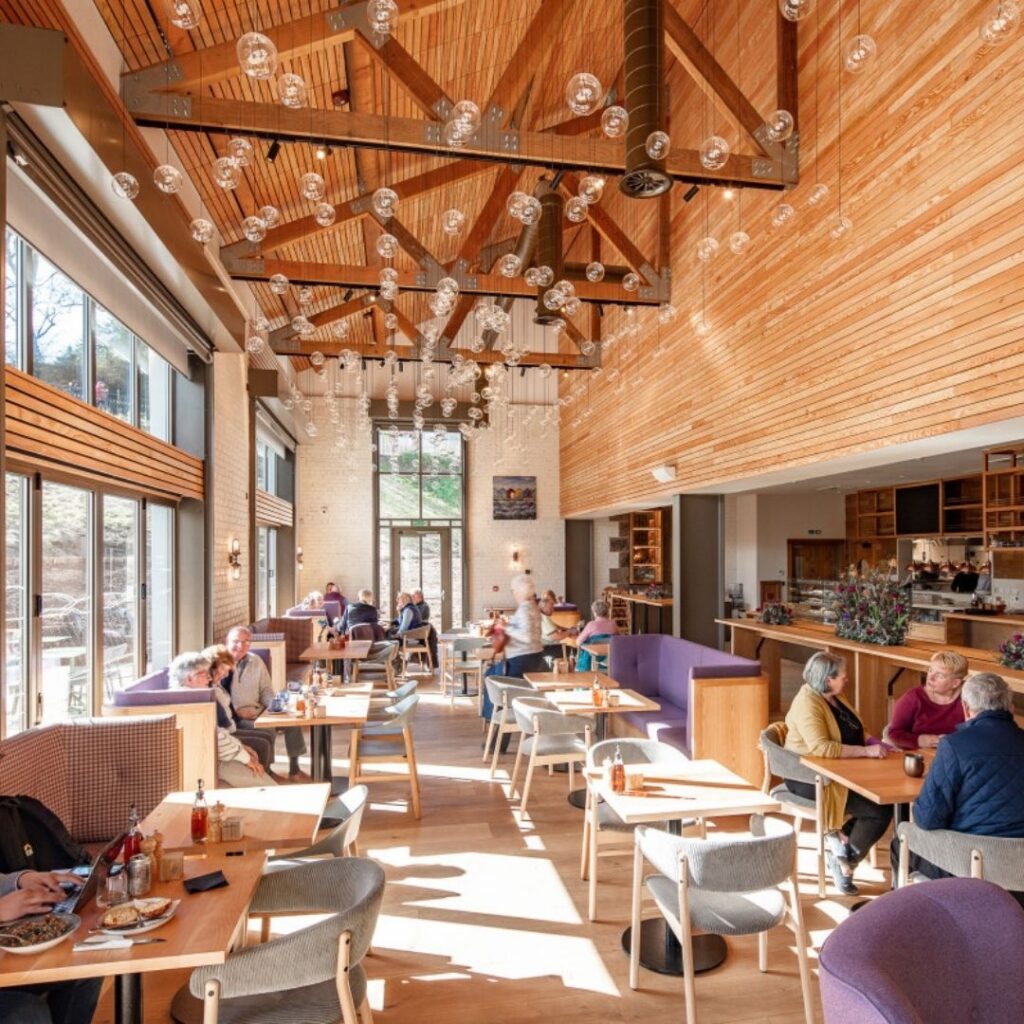
Ford is home to Ad Gefrin, just a few miles north of Wooler and well worth a stop for a post-walk refuel. Their bistro, Bēodern, serves the very best of Northumberland produce – exactly what you’ll want after a few hours on the hill.



Rachael Ellis
Head of Content
After gaining a first in her BA Media and Journalism degree at Northumbria University, Rachael worked at Newcastle’s leading regional newspaper with her stories being picked up in national and global newspapers. She spent two very successful years giving a voice to those communities across the North East who otherwise…
Subscribe
Subscribe now to receive our twice-weekly emails and exclusive offers for High Life North readers.