






- Feel Good
- 18th Feb 2026
- 0
- 0 minute
Celebrating the emotional geography of the North East
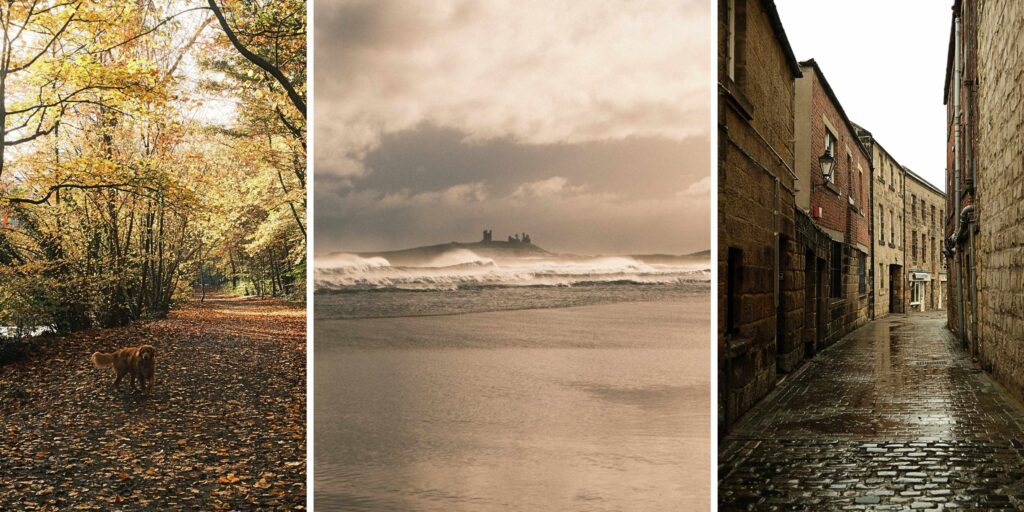
We all know places change how we feel, but in the North East, the shift can be almost immediate.
One minute you’re wound tight on a city street, the next you’re breathing deeper just by reaching the coast. This isn’t imagination or nostalgia; it’s emotional geography – the way landscapes, streets and spaces quietly shape our moods, behaviours and sense of self.
From sea air to stone streets, woodland paths to working towns, the North East has a rare emotional range packed into a relatively small area. And that variety is part of why so many people feel such a strong attachment to it.
The coast
There’s a reason so many people instinctively head east when life feels heavy.
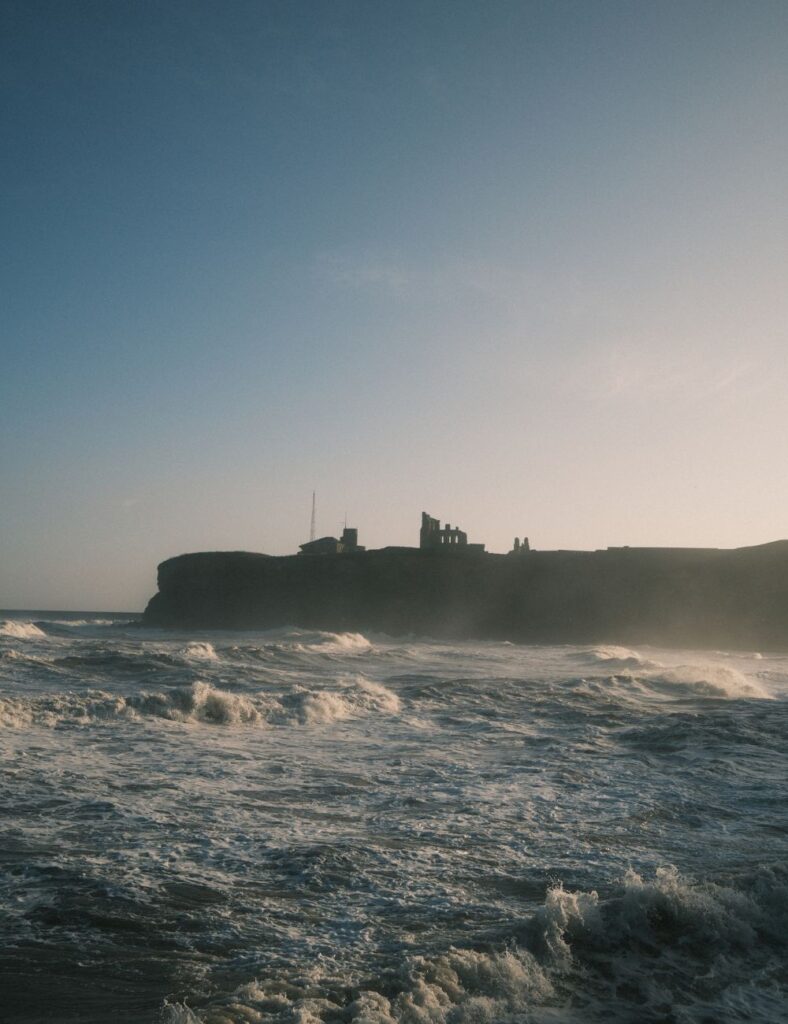
The North East coastline – from Berwick down to Redcar – has a calming effect that’s hard to overstate. Wide horizons, steady rhythms and the constant movement of the sea all encourage a kind of mental reset. Psychologists often talk about “soft fascination”: environments that gently hold our attention without demanding it. The sea does exactly that.
Places like Bamburgh, Whitley Bay, Seaham and Saltburn don’t just offer views, they offer perspective. Problems feel smaller when you’re standing next to something ancient and uncontrollable. Even on grey days, there’s a sense of honesty about the coast. Nothing’s pretending to be anything else.
If you really want to escape reality for a bit, Seahouses is the perfect destination for a quiet walk along the harbour and out towards St Aidan’s Dunes, where the sound of boats and long stretches of sand make it feel like a world away from everyday noise.
Cities and town centres
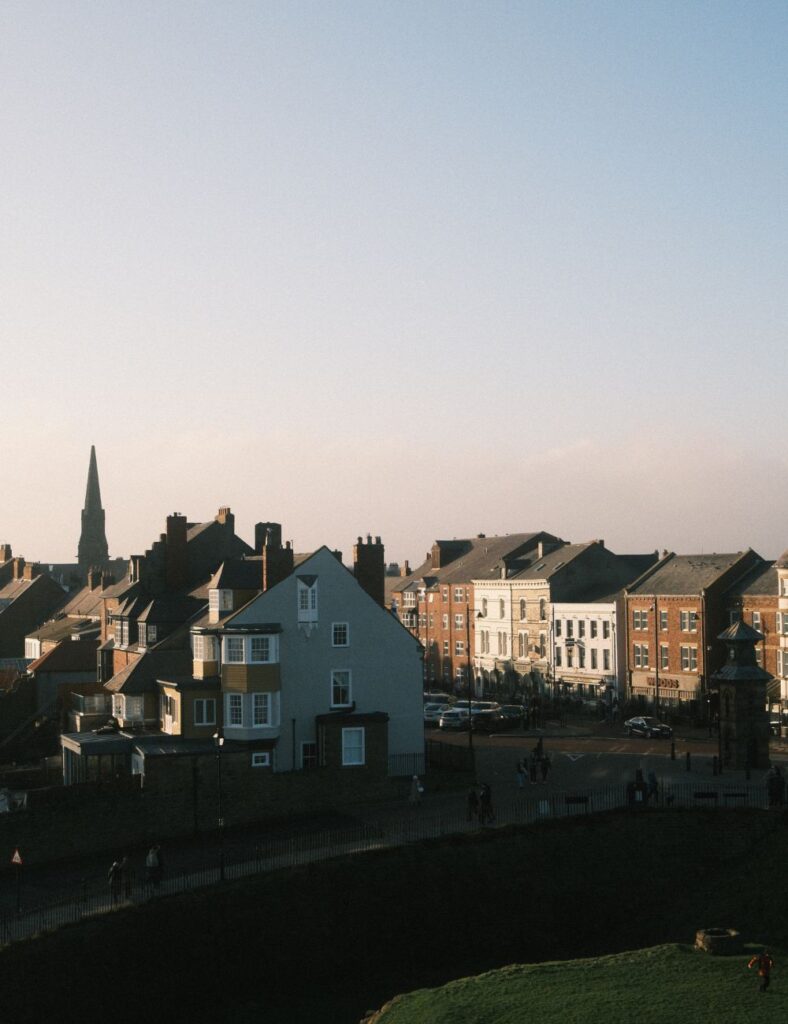
Step into a North East city centre and the emotional tone changes immediately.
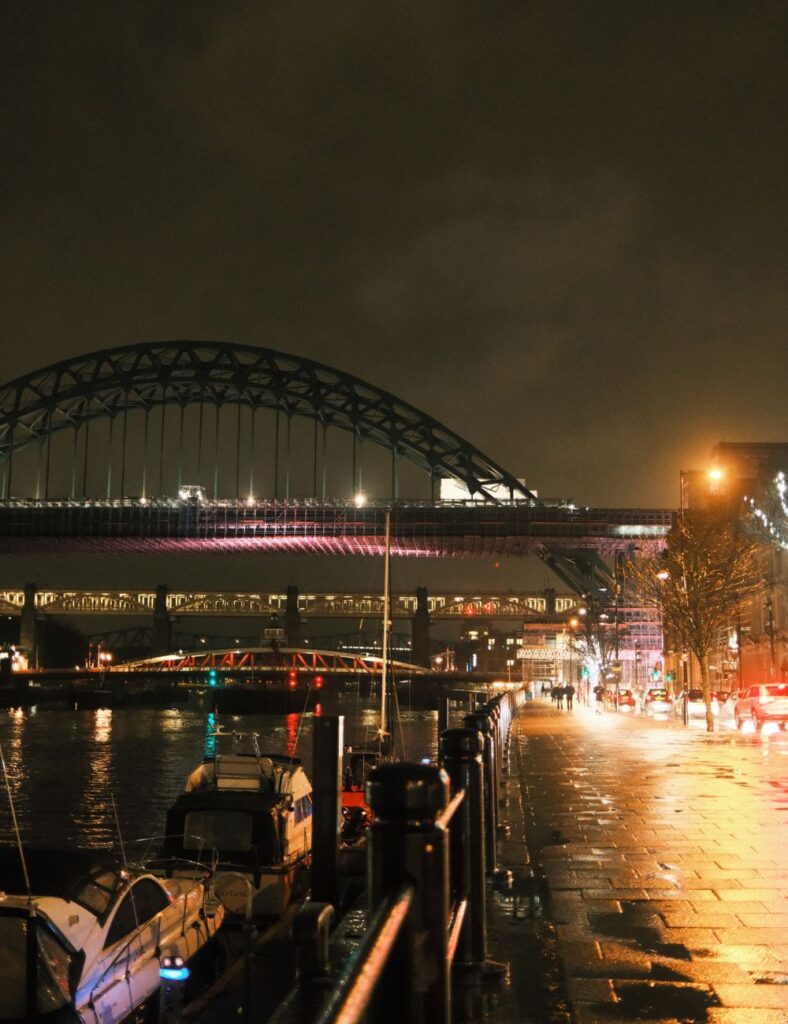
In Newcastle, Sunderland, Middlesbrough or Durham, there’s a hum – not frantic, but purposeful. The kind of steady energy that reminds you you’re among people, even if you’re just trying to get down Northumberland Street without being shoulder-checked by a charity clipboard or trapped behind someone stopping dead outside Primark. Cities offer connection, chance encounters and momentum. Streets full of people remind us that we’re part of something bigger, even when we don’t engage directly.
Durham’s cobbled streets and cathedral skyline bring a sense of permanence and tradition. Newcastle’s mix of grandeur and grit feels outward-looking and social. Sunderland and Middlesbrough carry a quieter resilience – places shaped by industry and reinvention, where identity feels hard-earned.
And wherever you end up, there always seems to be some kind of music drifting through the air – a busker, a pub band, a car radio – quietly stitching the place together.

Woods and parkland
Then there are the woods – and the North East has more of them than people realise.
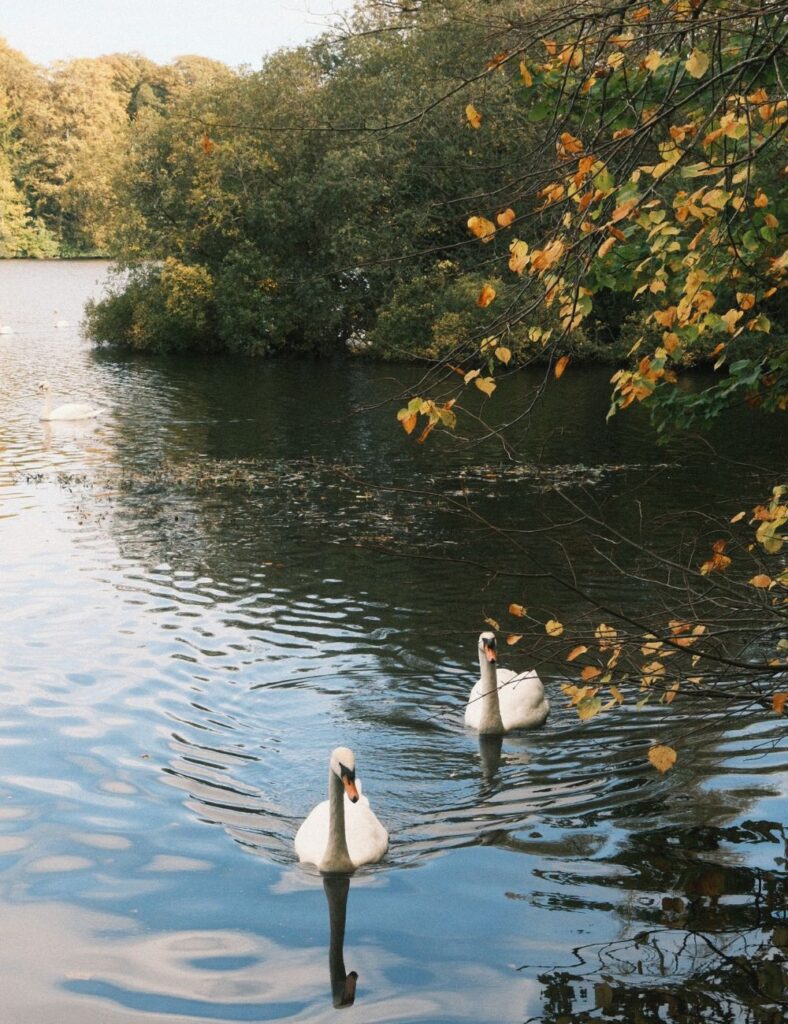
Places like Druridge Bay Country Park, Kielder, Hardwick Park or Jesmond Dene trigger a completely different emotional response. Wooded spaces lower stress levels, slow heart rates (unless you’re trying for a new PB on your woodland 5K run), and encourage reflection. Paths curve, views are partially hidden, and the world feels held rather than exposed.
There’s comfort in being surrounded – by trees, by quiet, by the sense that life is continuing at its own pace regardless of you. It’s where people go to recalibrate or walk without talking.
Industrial landscapes
Not all emotional spaces are gentle, and that matters too.
Former industrial areas, docklands and pit villages across the North East carry a different emotional charge. Places like Blyth, South Shields, Ashington, parts of Teesside and former colliery towns aren’t just locations – they’re archives of labour, community and loss.
There’s often a quiet pride in these places, mixed with grief and resilience. You feel history not as something distant, but as something lived. It’s in the street layouts, the social clubs, the way people talk about where they’re from.
These landscapes remind us that belonging isn’t always pretty, but it’s powerful.
High ground and open space
The North East’s hills and open spaces offer something else entirely: clarity.
Standing at Penshaw Monument, walking along Hadrian’s Wall, or looking out across Northumberland National Park creates a sense of expansion. High places encourage big thinking. They physically lift you out of routine.
There’s also humility here – a reminder that people have been walking these routes for centuries, dealing with their own versions of the same worries. That perspective can be quietly comforting.
Streets vs spaces
What makes the North East emotionally rich isn’t just the places themselves, it’s how quickly you can move between them.
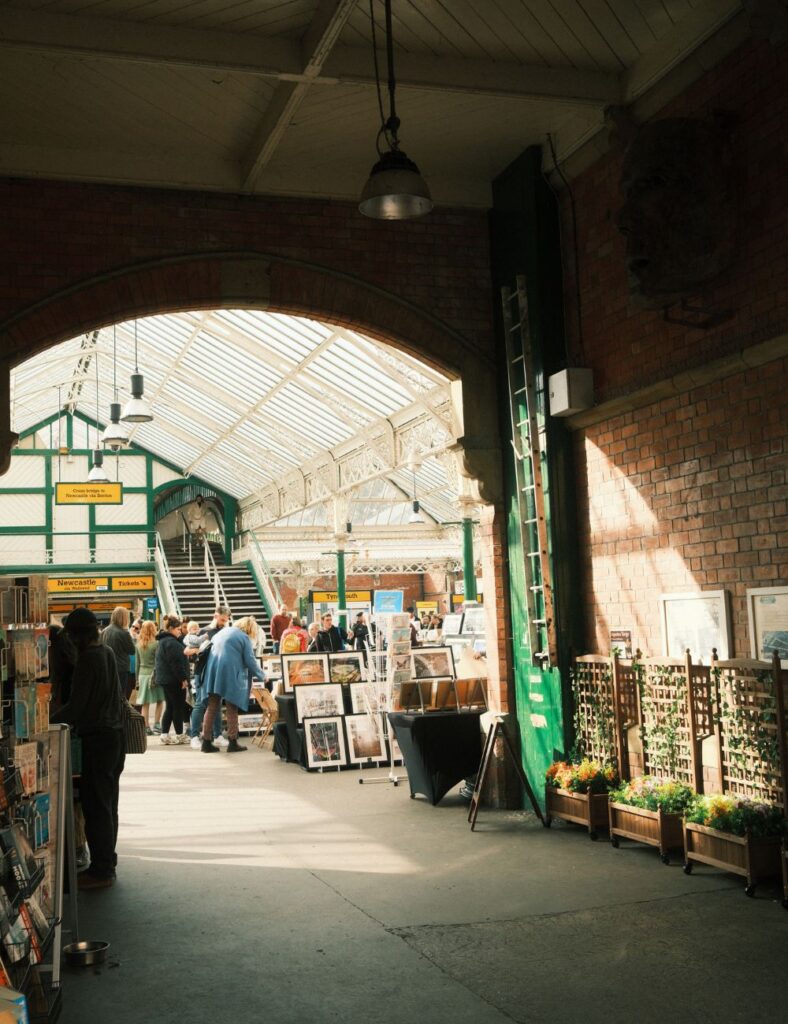
You can leave a busy high street and be by the sea in under half an hour. Step out of a town centre and into woodland almost immediately. That contrast allows people to regulate themselves – to choose energy or calm, connection or solitude.
It’s one of the reasons people stay. Or come back.
A region that lets you feel
The North East doesn’t demand one emotional mode. It allows contradiction. That emotional flexibility is built into the geography. Into the coastlines, the streets, the green spaces and the working landscapes that still shape how people live.
In a world that increasingly flattens experience, the North East remains textured. It lets you feel things properly, and gives you places to put those feelings when you need to.
Photography: Rosie Barker



Subscribe
Subscribe now to receive our twice-weekly emails and exclusive offers for High Life North readers.