







- Play Hard
- 15th May 2024
- 0
- 5 minutes
From rare birds to butterflies – wildlife to spot at WWT Washington Wetland Centre
- Advertisement Feature
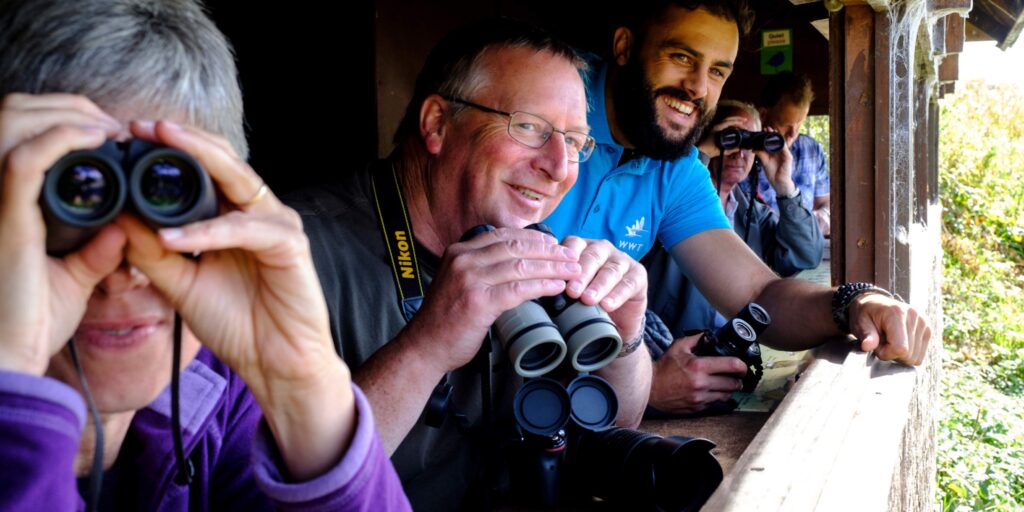
There’s something about connecting with nature, leaving all your worries at home that’s good for the soul. And a visit to WWT Washington Wetland Centre guarantees just this.
But don’t just trust our word for it, there are actually studies that prove it. A recent report found that 70% of UK adults agreed being close to nature improves their mood, and 49% said being close to nature helps them to cope with stress.
With the weather slowly getting warmer (we’re all counting down the days), spring and summer at Washington Wetland Centre is a fantastic time to explore the array of wild birds, flowers and insects on their nature reserve.
Here are some of our favourite species to keep an eye out for…
HLN TOP TIP: Make sure to not miss out on Bing’s Nature Explorers this spring – the little ones will love it.
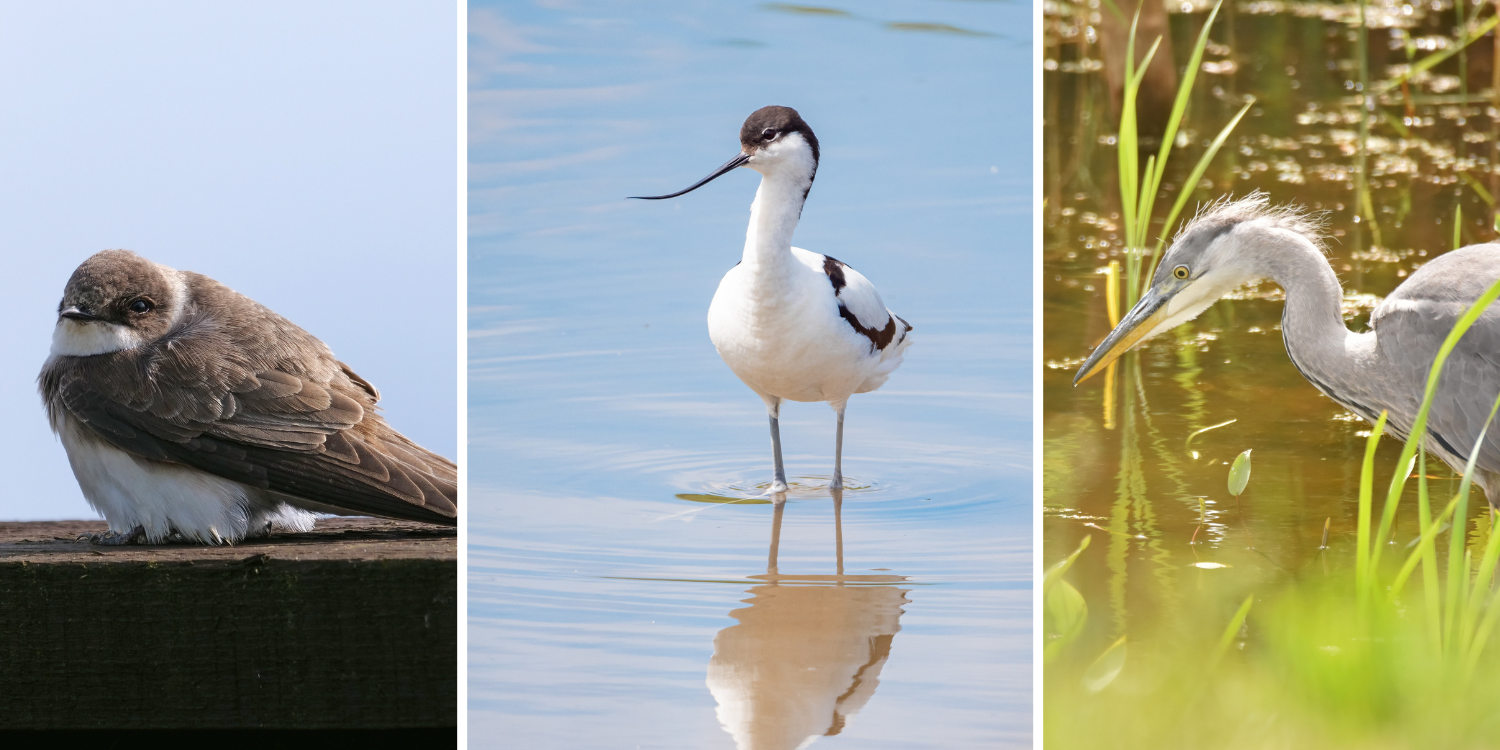
Image credit (left to right): Christopher Bill, Ian Henderson, Ian Henderson
WETLAND BIRDS
Many wetland bird species spend the summer on Wader Lake the east of WWT Washington Wetland Centre’s nature reserve. Here, many nest and breed, teaching their young how to forage and thrive.
Avocet
Regionally rare Avocet favour the shingle islands to nest and hatch their young. Within hours, youngsters follow their parents into the water to find food, often returning to the safe cover of their mother’s wings.
Common Tern
Common Tern adds a noisy addition to the lake, their aerobatic performances will entertain you from their first arrival in late April. They too nest on the shingle islands, with youngsters spending their time around the nests while adults swoop in to feed them fish.
Grey Heron
Grey Heron youngsters begin to fledge in early June, spending their time scoping the banks of Wader Lake and the saline lagoon in search of an easy meal.
Sand Martin
Smaller birds such as Sand Martin flit and flee across the water’s surface during the summer months searching for insects to feed on, their low chattering calls can often be heard.
HLN TOP TIP: Head to the recently opened Vic Robins hide to spot Sand Martin breeding around Washington Wetland Centre’s newly built artificial bank for the very first time.
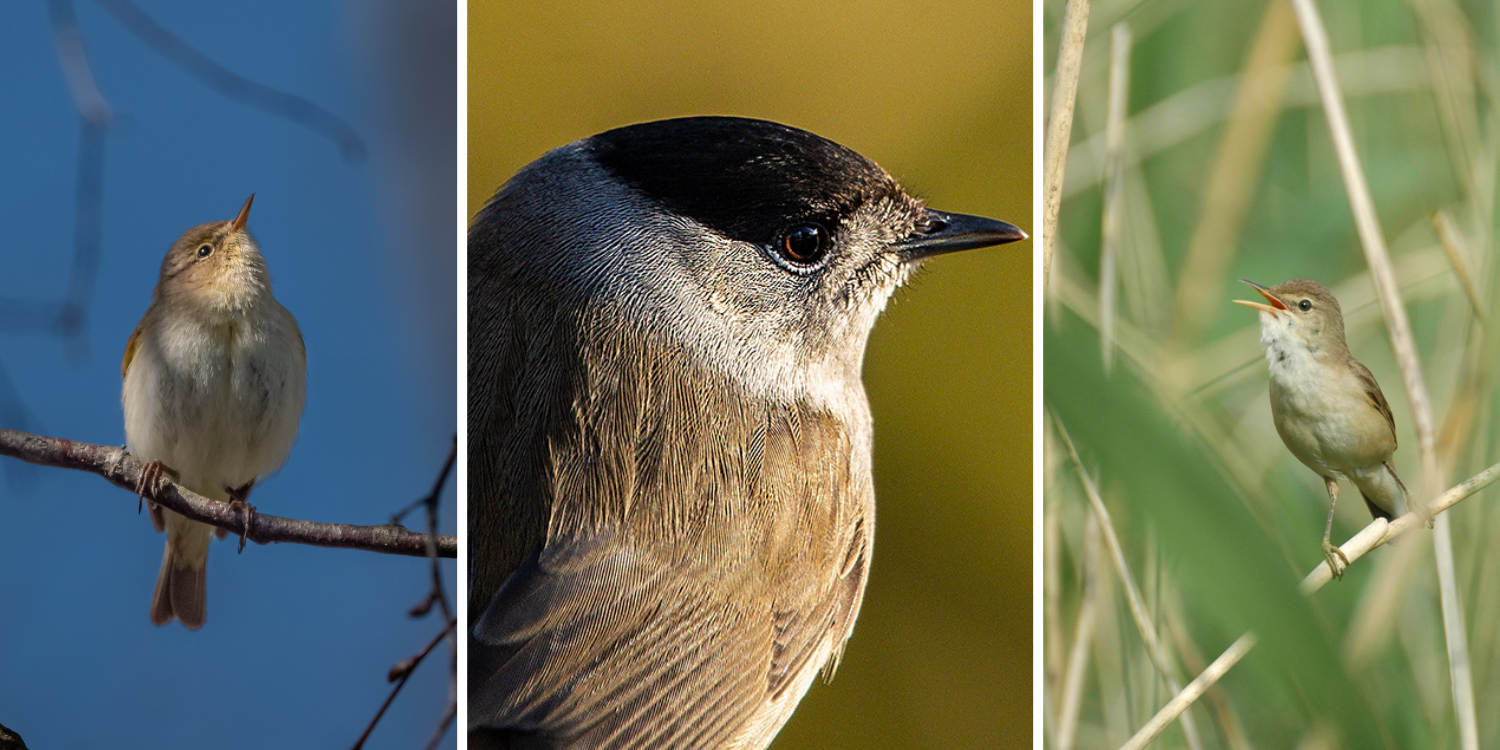
Image credit (left to right): Ian Henderson, Bill Richmond, WWT
REEDBED AND TREETOP BIRDS
Warblers
It’s not just the action on the water that makes a visit to Washington Wetland Centre Washington worthwhile. Many Warblers – named because of their ‘warbling’ territory songs – visit the treelines, hedgerows and reeds around the centre.
Chiffchaff
Chiffchaffs have one of the most recognisable calls. The sound of ‘chiff-chaff-chiff-chaff’ is one of the earliest signs of spring migration, arriving in late March. You’ll hear them before you see them, but they’re well worth trying to catch a glimpse of.
Reed Warbler
Reed warblers are a summer visitor to the wetlands of Washington Wetland Centre and, as their name suggests, they favour tall reeds where they weave nests between the stems. Their ‘chattering’ song is often heard although they can be a little harder to spot.
Blackcap Males
Blackcap males – as their name suggests – have a recognisable black head, while females are a lighter brown-copper colour. They visit Washington Wetland Centre during the summer months feeding on insects. Although they can be found locally throughout winter eating berries and fruit.
HLN TOP TIP: Visit the Reedbed Shelter and look across the water to the reeds. Several Warblers can often be heard here. Plus, the view of Penshaw Monument here isn’t to be missed.

Image credit: Ian Henderson
OTHER WILDLIFE
Many plants and insects are starting to thrive now that the warmer weather has arrived.
Enjoy walking through the reserve spotting a variety of bees including, carder bees, buff-tailed bumblebees and honeybees and butterflies including peacocks, red admirals and orange-tips.
Alongside spotting some other invertebrates along the way, you’ll discover an array of wildflowers including oxeye daisies, yellow flag iris, primrose and dog violet.
HLN TOP TIP: The lavender and rosemary at the centre’s Stream Channel is the go-to spot for best views of a variety of bee and butterfly species.
Nature walks
Get a taste of Washington Wetland Centre with warden-led Wild Walks. These monthly events follow seasonal themes and are a great way to learn more about the variety of wetland and woodland wildlife. It’s your chance to chat with the team about the history of the area and how they manage the wonderful array of habitats.
HLN TOP TIP: Download WWT Washington’s new app to pre-book your tickets and enjoy a 10% discount on admission – follow this link.
VIEW WASHINGTON WETLAND CENTRE’S WEBSITE
WWT Washington Wetland Centre, Pattinson Road, Washington NE38 8LE



Rachael Ellis
Head of Content
After gaining a first in her BA Media and Journalism degree at Northumbria University, Rachael worked at Newcastle’s leading regional newspaper with her stories being picked up in national and global newspapers. She spent two very successful years giving a voice to those communities across the North East who otherwise…
Subscribe
Subscribe now to receive our twice-weekly emails and exclusive offers for High Life North readers.