







- Play Hard
- 18th Nov 2026
- 0
- 0 minute
High Life North Hikes: Hawthorn Dene’s the County Durham walk with alpacas, caves and a bunker
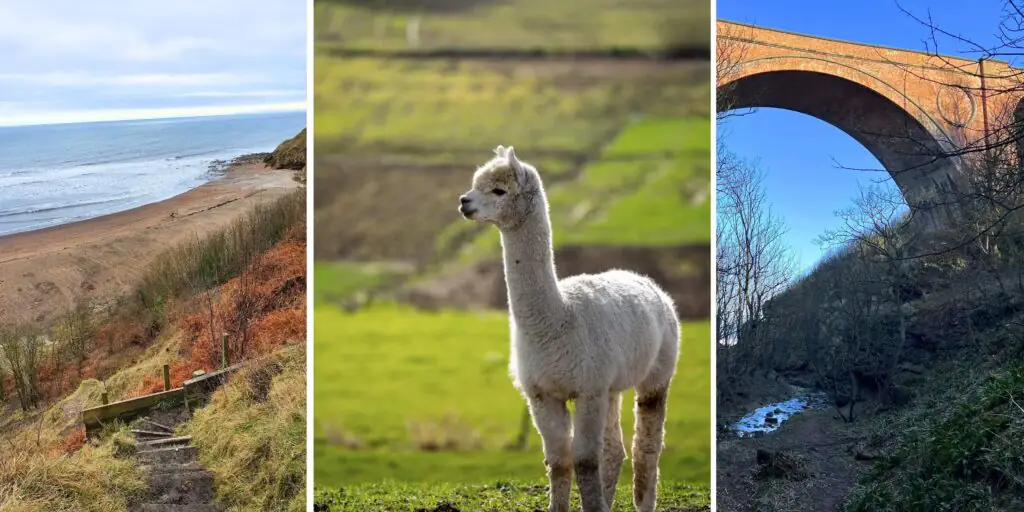
If you’ve not done the Hawthorn Dene walk yet, you’re missing one of County Durham’s quirkiest stretches of coast.
The Hawthorn Dene walk is a five-mile circular route on the Durham Heritage Coast near Seaham, and it strings together clifftop paths, a secluded beach, a towering railway viaduct, hidden caves, an eerie quarry, and, yes, alpacas.
It’s been getting plenty of love online lately after one walker’s video of the route went viral and was called ‘criminally underrated’. We can see why. At just under a 40-minute drive from Newcastle city centre, it packs more surprises into a couple of hours than plenty of walks twice its length.
WHERE IS HAWTHORN DENE AND HOW DO YOU GET THERE?
Hawthorn Dene is a nature reserve and Site of Special Scientific Interest between Seaham and Easington. It’s a steep-sided limestone ravine carved out by Hawthorn Burn, with Durham Wildlife Trust looking after most of the dene and the National Trust caring for the coast.
The National Trust’s circular route starts at Nose’s Point car park, Seaham, SR7 7TT. From Newcastle, take the A19, follow signs for Seaham, and look for the car park off the A182, then drive through the first car park to reach Nose’s Point. Prefer the bus? The X6, 71, 60, and ED4 all stop at East Cliff Road, an eight-minute walk away.
Quick facts
Start: Nose’s Point car park, Seaham, SR7 7TT
Distance: five miles (8km), circular
Time: around two and a half hours
Terrain: moderate, with very steep steps and uneven clifftop paths
Cost: free to walk
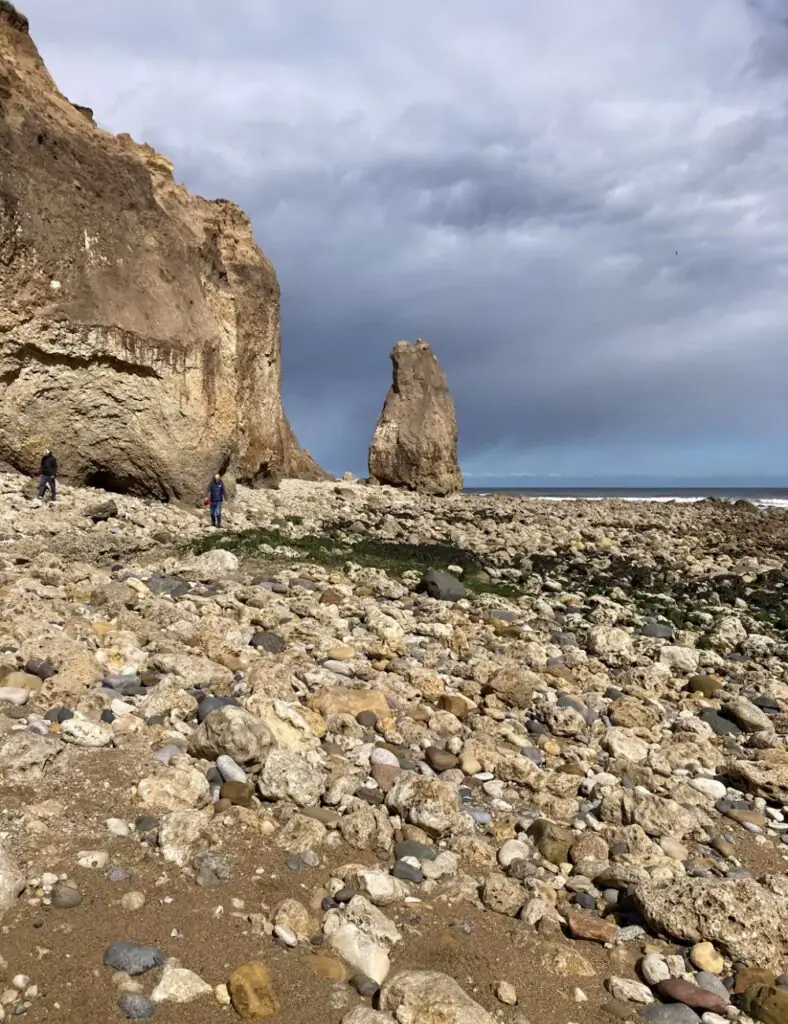
IT’S HARD TO BELIEVE THIS WAS ONCE A BLACK BEACH
Nose’s Point was once home to Dawdon Colliery, and until it closed in 1991, millions of tonnes of mine waste were tipped onto the sand here, leaving the Durham Coast with its notorious black beaches.
A huge clean-up between 1997 and 2002 changed all that. Today, the clifftops are covered in limestone grassland, and in summer you might spot the rare Durham argus butterfly, a local form of the northern brown argus. It’s a proper comeback story.
DON’T RUSH THE STEPS DOWN TO HAWTHORN HIVE
After the railway crossing, a very steep flight of steps drops down to Hawthorn Hive, a sheltered cove where the burn meets the sea. Take your time, especially after rain, and check the tide times before you set off.
Hawthorn Viaduct strides across the mouth of the dene on red-brick arches built in 1905, and trains still rattle over it today. Walking right underneath it is easily the most dramatic moment of the whole Hawthorn Dene walk.
THEN IT’S SUDDENLY ALL BIRDSONG
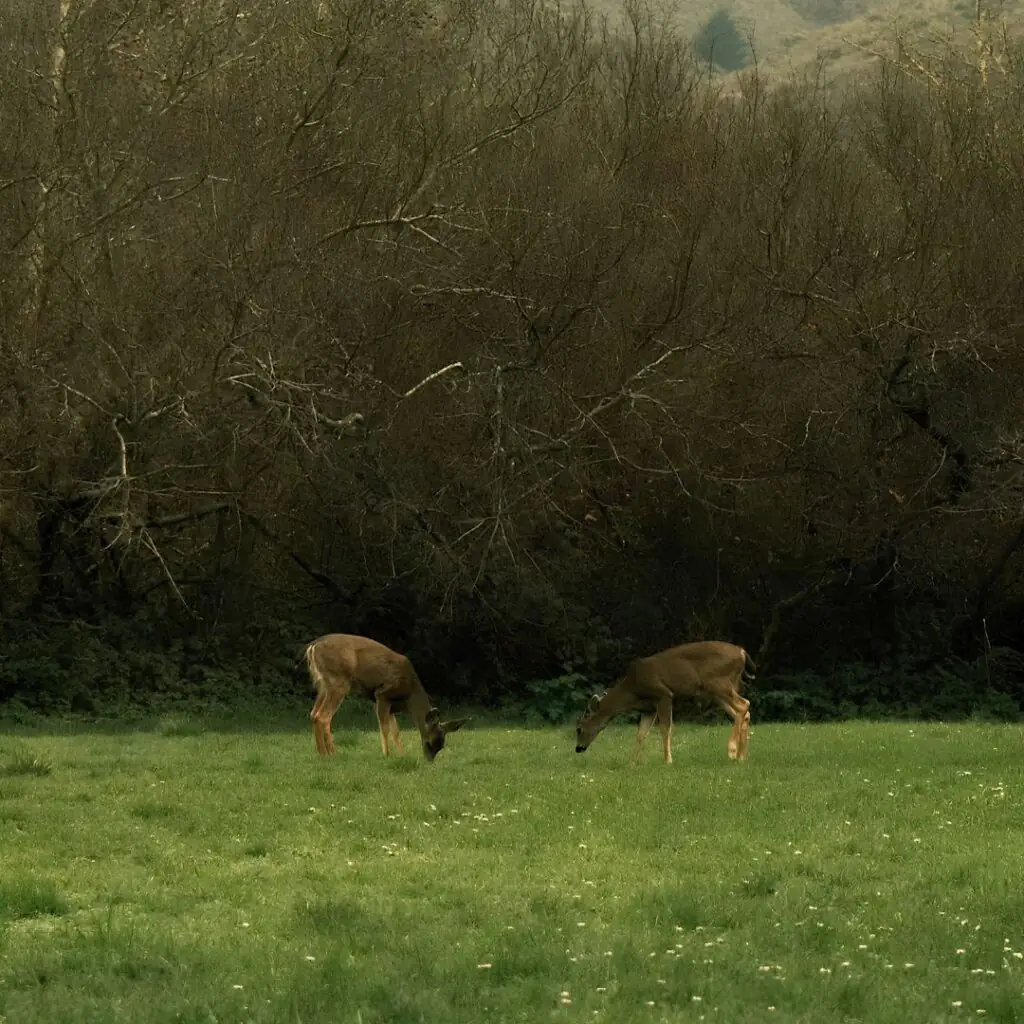
Follow the track under the viaduct and the sound of the waves fades almost instantly. A green metal footbridge carries you over the stream and up into Hawthorn Meadows, with elm, ash, and native yew climbing the slopes. Keep an eye out for roe deer bounding across the fields.
THERE’S A LOST MANSION HIDING IN THE MEADOWS
The meadows were once the grounds of Hawthorn Towers, a 52-room Gothic mansion designed in 1821 by John Dobson, the architect behind Newcastle’s Central Station. It was demolished in 1969, but about 200 yards along the woodland path you can still pick out the last remains of its private railway platform.
CAVES, ALPACAS, AND A WARTIME BUNKER? IT’S GOT THE LOT
This is where Hawthorn Dene goes from lovely to downright unusual. The version of the walk doing the rounds on social media squeezes in hidden caves, a Second World War bunker, alpacas, and even a railway crossing with its own red and green walkers’ lights.
There’s a small cave cut into the rock right beside the coastal path where it crosses the dene. Keep your eyes peeled for the wartime bunker too, along with the old pillboxes dotted along this stretch of coast.
Then there are the alpacas. Spotting a few fluffy faces peering over a fence is the last thing you’d expect on a clifftop hike, and it’s easily the bit everyone talks about afterwards. They’re on private land, so admire them from the path and don’t feed them.
DON’T MISS THE EERIE QUARRY
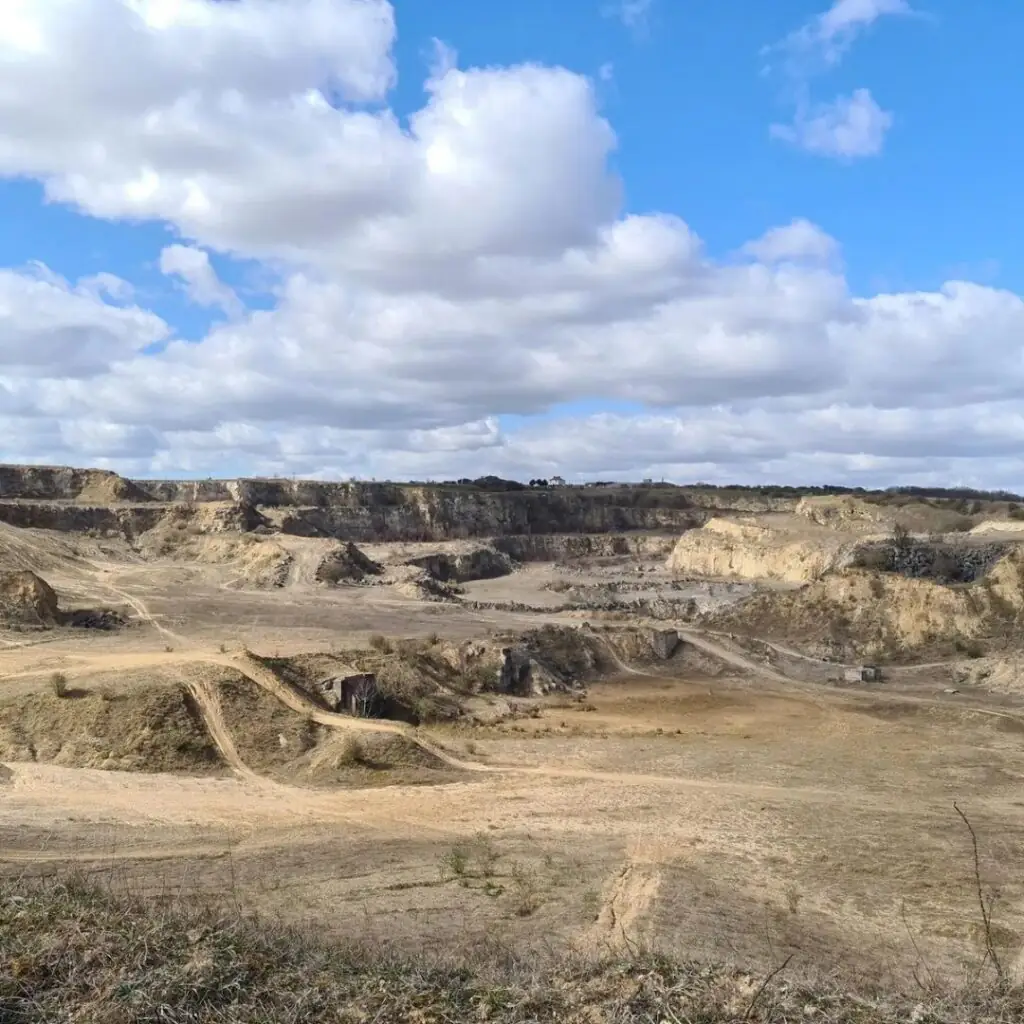
Saving the strangest till last, the vast Hawthorn Quarry sits just north of the dene. Its sheer, pale limestone walls give it an otherworldly feel, and it’s been out of action since the early 1990s. It’s a privately owned Site of Special Scientific Interest, though, so stick to the public footpaths and enjoy it from a safe distance.
Worth knowing: you won’t pass all of these on the National Trust’s five-mile loop, so it pays to explore Durham Wildlife Trust’s other paths through the dene.
IS HAWTHORN DENE WORTH VISITING IN WINTER?
The dene comes into its own in the colder months. In late winter, the woodland floor disappears under the snowdrops it’s known for, and the bare branches open up views you’d miss in summer.
Wrap up, though. The clifftop paths are exposed, uneven, and steep in places, so sturdy boots are a must.
IS THE HAWTHORN DENE WALK DOG FRIENDLY?
Furry friends are welcome, but they’ll need to be on a lead through the Durham Wildlife Trust reserve, and kept under close control on the coastal paths, with a short lead around livestock and near cliff edges.
Make a day of it with Seaham Hall’s new Sunday lunch just up the coast, or if you’re after more of a challenge, try one of the toughest walks in County Durham.
Alpacas, caves, a viaduct, and a lost mansion. Not bad for a Sunday stroll.



Rachael Ellis
Head of Content
After gaining a first in her BA Media and Journalism degree at Northumbria University, Rachael worked at Newcastle’s leading regional newspaper with her stories being picked up in national and global newspapers. She spent two very successful years giving a voice to those communities across the North East who otherwise…