







- Feel Good
- 12th Mar 2026
- 0
- 0 minute
Unpopular opinion: Why this psychologist doesn’t fully support Mother’s Day
- Advertisement Feature
For many, Mother’s Day is all about giving flowers, cards and enjoying Sunday lunches.
Your morning social media scroll is full of heartfelt tributes and happy family photos. But while the day is often portrayed as a universal celebration, the reality is far more complicated.
Behind the beautiful bouquets and brunch reservations, Mother’s Day can stir up a mix of emotions such as grief, pressure, guilt or loneliness for many.
From those who have lost their mothers to people navigating difficult family relationships, the day doesn’t always look the way society expects it to.
Our expert in residence psychologist, Dr Ashling Doherty, shares why she holds what she has an “unpopular opinion” about Mother’s Day and why it’s important to acknowledge that the day isn’t enjoyable for everyone.
AN UNPOPULAR OPINION ABOUT MOTHER’S DAY
“As a psychologist and a mother myself, I hold what might be considered an unpopular opinion: I don’t fully support Mother’s Day,” says Dr Ashling Doherty.
“While cultural conversations are slowly shifting to acknowledge that this day can be difficult for some, there is still a strong assumption that it is positive and celebratory for most people. In reality, Mother’s Day can be complicated, painful and exclusionary for many.”
A BRIEF HISTORY OF MOTHER’S DAY
Mother’s Day in the UK dates back to the 17th century. Celebrated on the fourth Sunday of Lent, it was originally known as Mothering Sunday, when people returned to their “mother church”.
Over time, the day became more family-focused. Children would often pick wildflowers for their mothers, and families would gather together to celebrate. Today, the tradition has evolved again, with cards, flowers and Sunday lunches becoming the expected way to mark the occasion.
“While this can be meaningful and joyful for many families, the modern version of the day can sometimes feel performative – focused on public gestures rather than the everyday realities of motherhood.”
THE PRESSURE OF THE ‘PERFECT MOTHER’
“Motherhood is often portrayed as an experience filled only with love and fulfilment. In reality, it can involve a wide range of emotions – exhaustion, overwhelm, the need for space or time away. Yet admitting these feelings can bring guilt because they don’t match the idealised image of the selfless mother.
In psychology, we often talk about the concept of the “good enough mother.” She isn’t perfect, and importantly, she doesn’t need to be. Children benefit from seeing their parents as human, capable of making mistakes and learning from them.
The pressure to live up to the image of the perfect, endlessly self-sacrificing mother can place unrealistic expectations on women and overshadow the reality of motherhood.
Another idea often discussed in therapy is the “unlived life of the mother.” This refers to a mother’s unresolved experiences, ambitions or dreams that exist alongside her role as a parent. Motherhood should not erase a woman’s sense of identity, yet society often expects it to.”
WHEN MOTHER’S DAY IS PAINFUL
“For many people, Mother’s Day can highlight loss, distance or longing.
Those who have lost their mothers may find the day heavy with grief. For people who want to become mothers but cannot, it can be a painful reminder of something missing. For others, strained or estranged relationships with parents can make the day feel forced or isolating.
Family structures are also far more diverse than the traditional narrative often celebrated on Mother’s Day. Some children have two fathers, some are raised by grandparents, and some families are built in entirely different ways. Celebrating the day as it currently exists can feel rooted in a heteronormative idea of family life that doesn’t reflect everyone’s reality.
Estrangement within families is still under-discussed in psychology, despite how common it can be.
Attachment – the emotional bond formed with our primary caregivers – plays a huge role in our sense of self, belonging and wellbeing. While research often focuses on the mother–baby bond, not everyone experiences a secure or supportive relationship with their mother.
That need for a secure base doesn’t disappear once a child becomes an adult.”
NAVIGATING THE DAY IN YOUR OWN WAY
“Whether we support Mother’s Day or not, it will continue to exist. What matters most is how individuals choose to approach it.
If the day brings complicated emotions, the first step is simply acknowledging them. Your feelings are valid.
It can also help to step away from social media or curate what you see online. The idealised images shared on these platforms rarely reflect the full reality of family life.
Setting boundaries is another important act of self-respect. Whether that means buying a card, making contact or choosing not to, it’s important to honour what feels right for you.
Some people may even choose to reclaim the day for themselves – booking a massage, going swimming or simply taking time to reflect on their own journey through life.
And above all, remember that you don’t have to pretend the day is uncomplicated.
For many people, it isn’t. And that’s okay.”
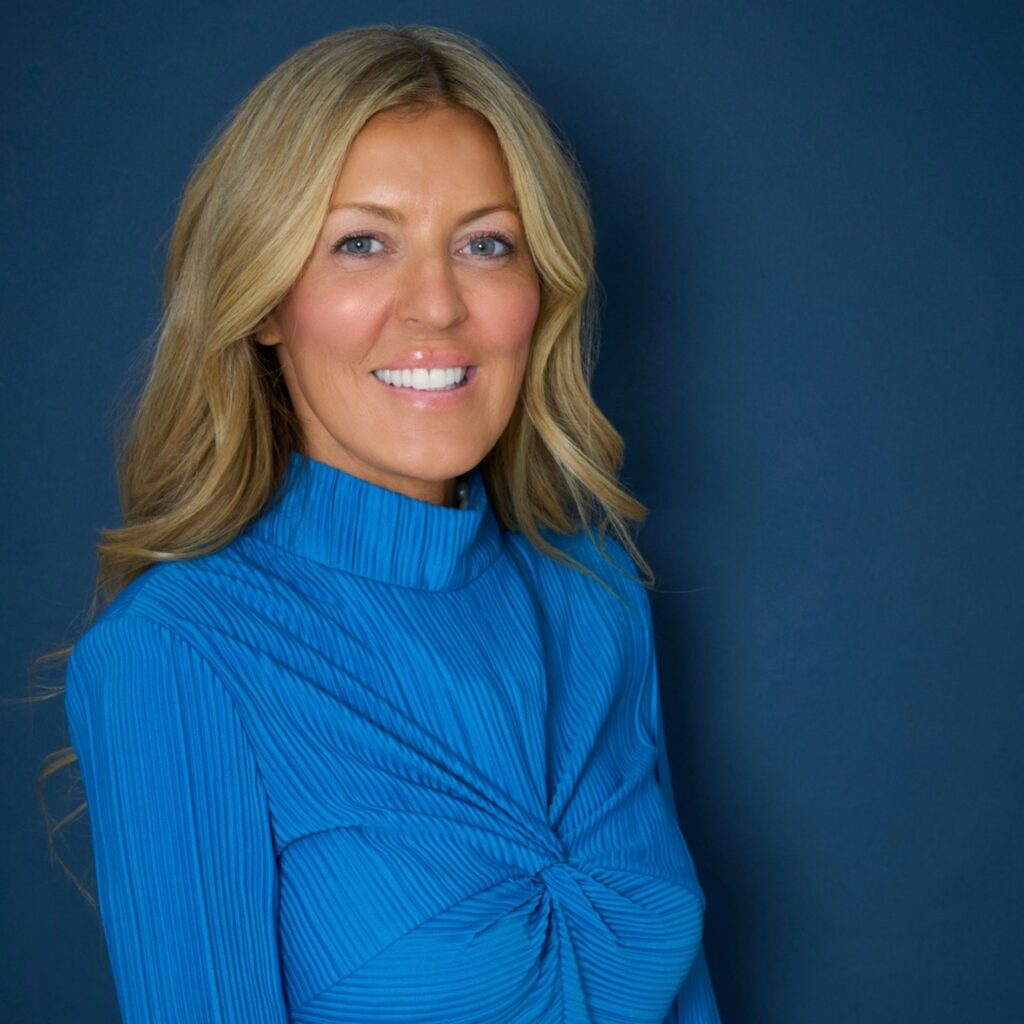
MEET DR ASHLING DOHERTY
Dr Ashling Doherty is a Chartered Counselling Psychologist in Newcastle, specialising in sexual health and mental well-being.
At her clinic in Jesmond, she works with individuals and couples, offering psychosexual therapies and personalised support. A member of the British Psychological Society and HCPC Registered, she provides a safe space for growth and healing.
Dr Ashling Doherty, 8 Akenside Terrace, Newcastle Upon Tyne NE2 1TN


Rachael Ellis
Head of Content
After gaining a first in her BA Media and Journalism degree at Northumbria University, Rachael worked at Newcastle’s leading regional newspaper with her stories being picked up in national and global newspapers. She spent two very successful years giving a voice to those communities across the North East who otherwise…
Subscribe
Subscribe now to receive our twice-weekly emails and exclusive offers for High Life North readers.