





- Look Good
- 14th Oct 2026
- 0
- 0 minute
ÂPRE Hair Concept’s honest guide to caring for hair through every stage of life
- Advertisement Feature
Hair changes with age, and hardly anyone sees it coming. One week your hair’s doing what it’s always done, the next it’s finer, drier, greyer or shedding more than you’d like.
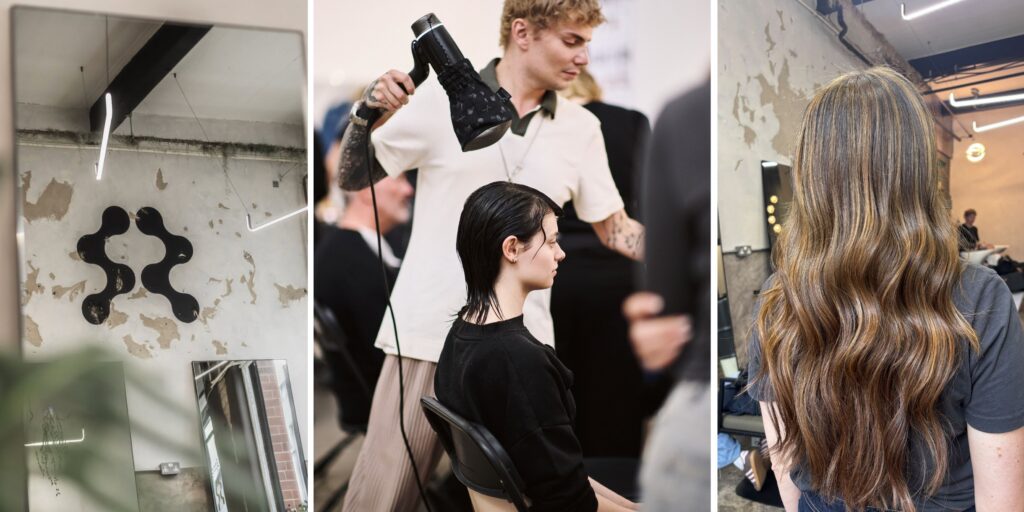
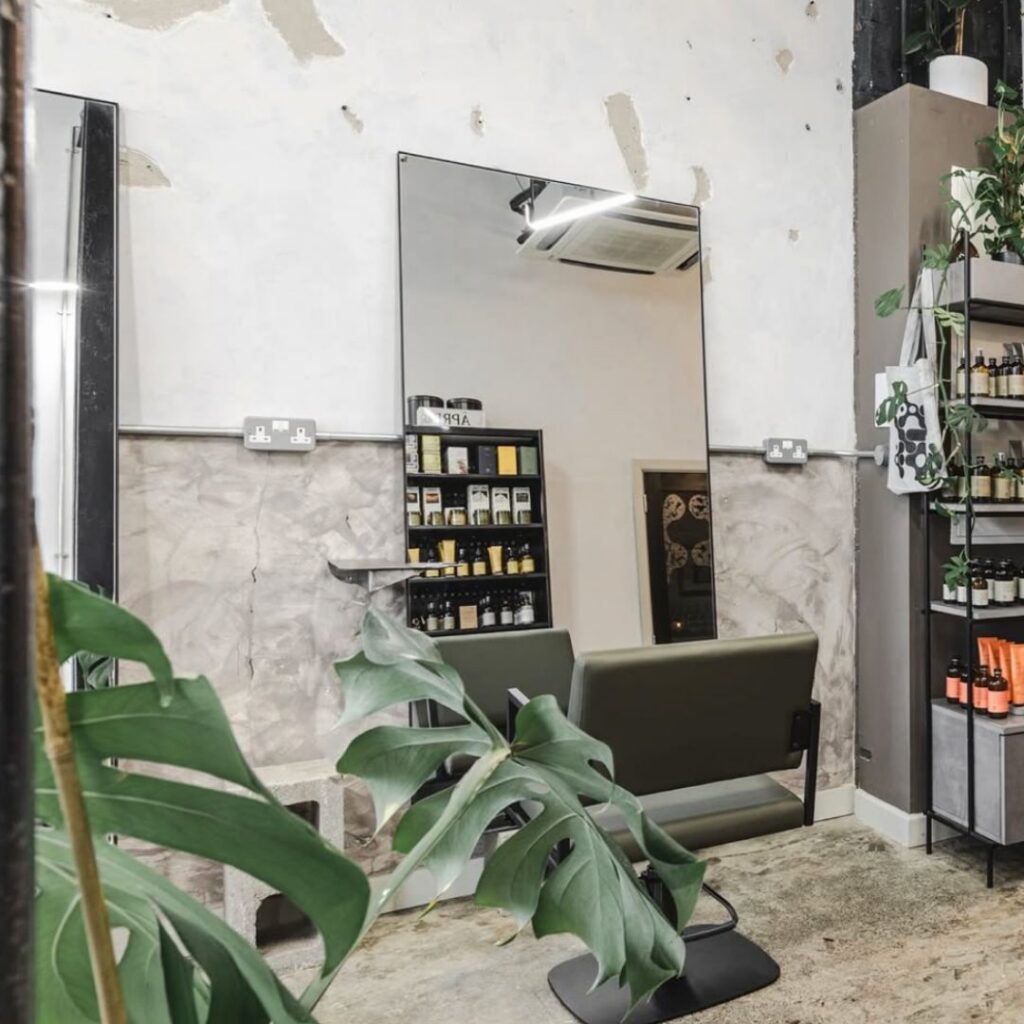
That’s where ÂPRE Hair Concept comes in. Home in the heart of Newcastle, the salon blends sustainability, science and self-expression, with cuts and colours designed to grow out beautifully and work with your natural texture.
We sat down with founder Matty Bradshaw to talk through every stage, from pregnancy and menopause to grey, thinning, alopecia, and cancer treatment. Warm, practical and always a little bit high-fashion, he’s honest about what to expect and what helps.
NOBODY THINKS IT’LL HAPPEN TO THEM
Matty sees the same turning points again and again. Your twenties are for experimenting, your thirties bring scalp health and pregnancy into focus, and by your forties and fifties hormones are bringing drier, finer hair and more grey. “Of course these are all general, there is no one-size-fits-all for when these changes happen,”says Matty.
The catch is how gradually it creeps up.
“I think the majority of people tend to be aware that hair changes but never expect it to happen to them.“
WHY PREGNANCY HAIR DOESN’T STICK AROUND
Higher oestrogen during pregnancy keeps hair in its growth phase for longer, so fewer hairs shed. After birth, hormone levels drop and those hairs fall all at once. That’s postpartum hair loss, and while it’s a shock, Matty says, “it’s generally normal and non-permanent.”
You don’t need to stop going to the salon. Cutting, styling and, in most cases, colouring can carry on, though intensive smoothing treatments are assessed case by case. Just tell your stylist you’re expecting.
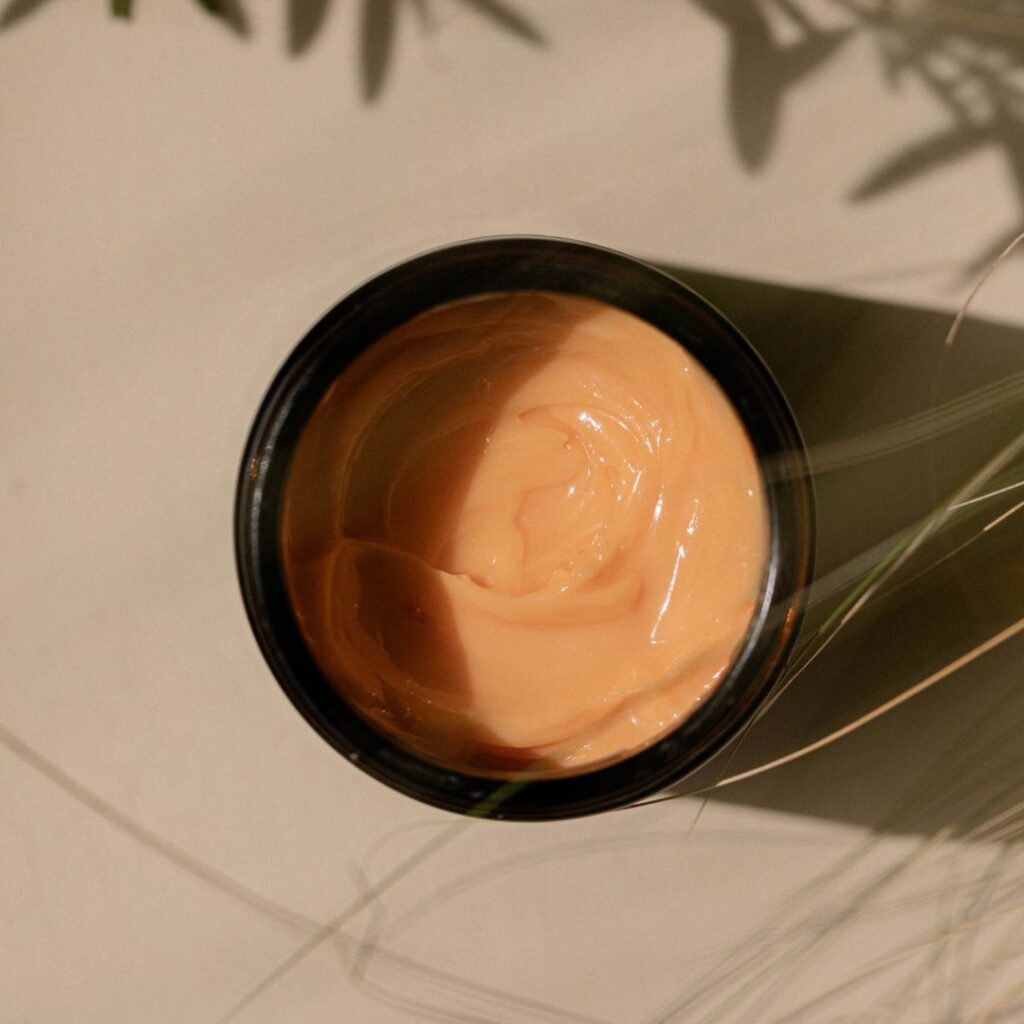
MENOPAUSE CAN REWRITE YOUR HAIR’S RULEBOOK
Menopause hair catches plenty of people out. As oestrogen shifts, hair often turns finer, drier and less dense, and texture can change too. Straight hair might gain movement, while curls suddenly feel harder to manage.
“This is often the point where we encourage clients to rethink their routine rather than simply using more product,” says Matty. That might mean a new cut, more considered colour, scalp care, or treatments for moisture and strength.
Long-standing clients often just say their hair doesn’t feel like it used to. “We’d never assume it’s menopause or tell someone what’s happening with their body, but we can explain what we’re noticing in their hair and talk about what might help.” Your hairdresser’s often first to notice. Let them.

GREY’S NO LONGER SOMETHING TO HIDE
“10 years ago, the conversation was mostly about how we could cover it, whereas now we have clients who actually want to work with their grey rather than hide it.“
Going grey doesn’t have to be all or nothing, either.
Rather than leaving you with a harsh regrowth line, the team gradually moves you off permanent colour, adding lighter pieces and softer toners and glosses to blend the grey in. After years of darker colour it can take a few appointments, but the hair stays healthy. The goal is grey that looks intentional.
WHY MORE LAYERS WON’T SAVE THINNING HAIR
There’s no set age for thinning hair, and genetics play a big part. Men tend to notice it at the hairline and crown, while women usually lose density through the top and parting.
“A good haircut can make a huge difference to how thinning hair looks and feels, but it’s important to be realistic, a haircut can’t create more hair,” says Matty. Taking off length or moving a parting you’ve worn for years can help instantly. Too many layers, though, strip out weight and make fine hair look thinner.
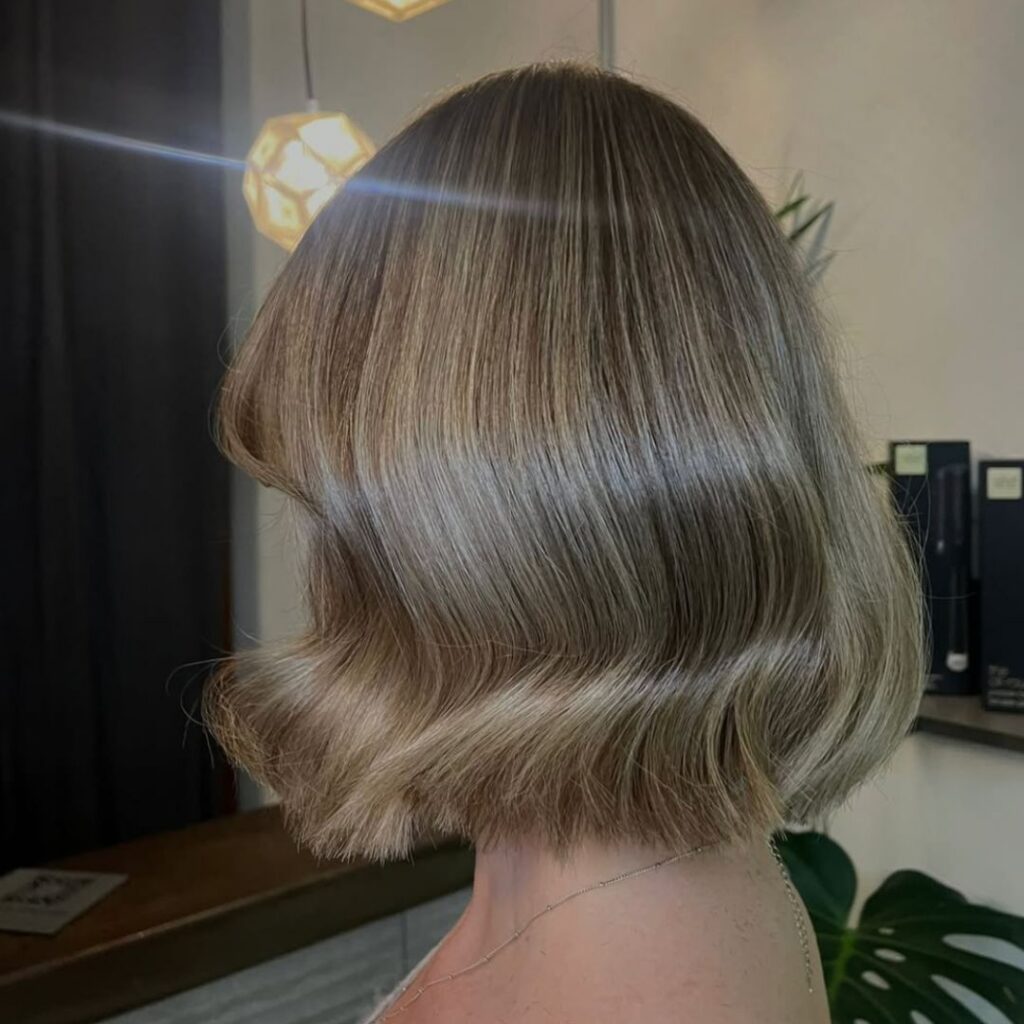
ALOPECIA, AND WHERE A HAIRDRESSER’S ROLE ENDS
“That first appointment can be quite emotional,” says Matty of supporting clients after an alopecia diagnosis. Some want solutions straight away, others just need someone to listen.
He’s clear about the limits. “Alopecia is a medical condition, so we would never promise that a salon treatment or product can cure hair loss.” Instead, the team supports hair and scalp with cuts that soften patches, tension-free styling, light-and-shade colour placement and OWAY scalp treatments, alongside medical advice.
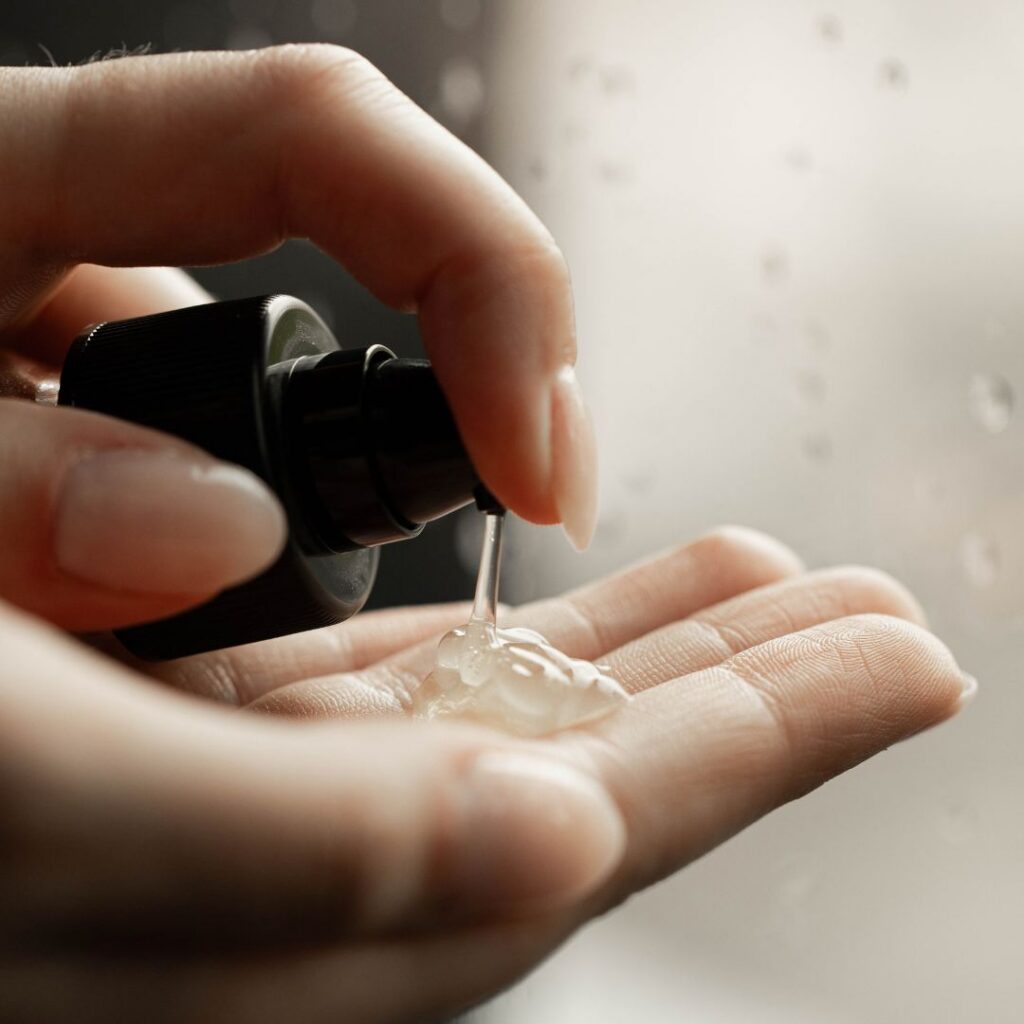
CANCER SUPPORT STARTS BEFORE THE HAIR GOES
For anyone facing chemotherapy, ÂPRE’s help goes well beyond recommending a wig. “For us, the support starts before the hair loss,” says Matty. That could mean gradually going shorter, so the change feels considered, then keeping everything gentle once shedding starts.
Regrowth can come back finer, curlier or even a different colour, and the team shapes it through the awkward in-between stages.
“Sometimes that first proper haircut after treatment can feel like a really significant moment.”
YOUR HAIR ISN’T MEANT TO STAY THE SAME
“I wish more people understood that your hair isn’t supposed to stay the same throughout your life,” says Matty. Hair changes with age, hormones and health, and that’s not something you need to fight.
That’s the thinking behind ÂPRE. It’s about understanding the hair you’ve got now, not chasing the hair you had 10 years ago. If you’re after a hairdresser in Newcastle who’ll grow with you, it makes all the difference.
If you’re experiencing sudden, patchy or unexplained hair loss, speak to your GP or a dermatologist before booking in. Your stylist can help you manage the changes, but they can’t diagnose the cause.
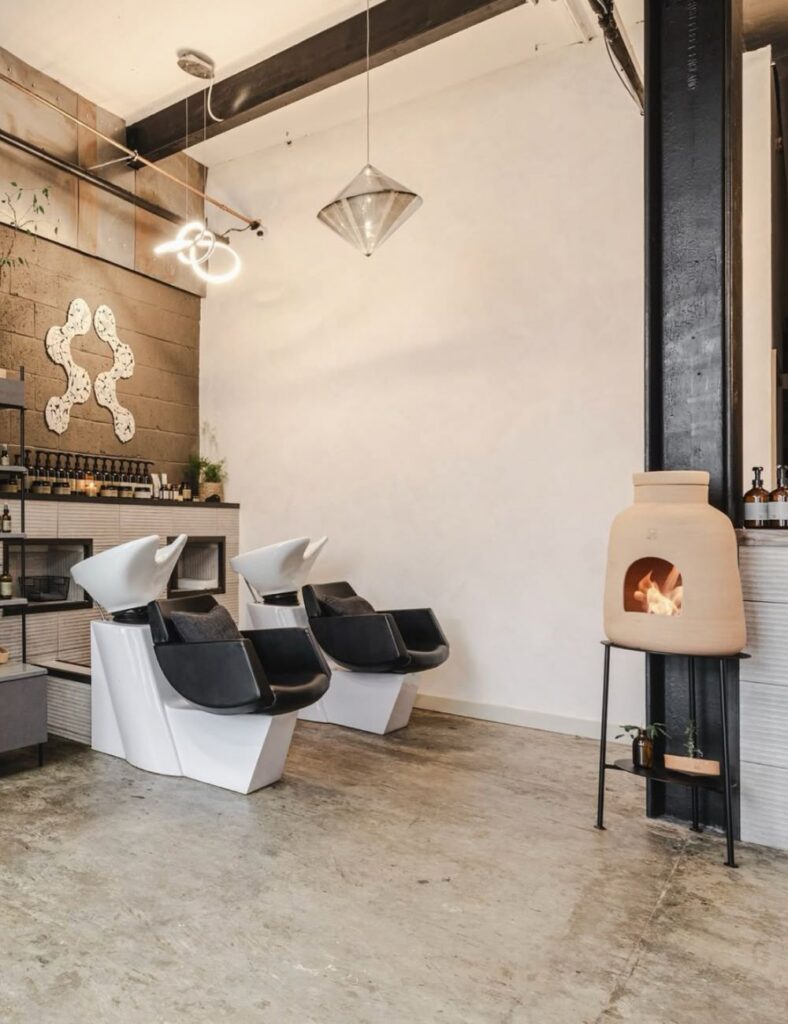
ÂPRE Hair Concept, Siemens House, 3 Carliol Square, Newcastle upon Tyne NE1 6UF



Rachael Ellis
Head of Content
After gaining a first in her BA Media and Journalism degree at Northumbria University, Rachael worked at Newcastle’s leading regional newspaper with her stories being picked up in national and global newspapers. She spent two very successful years giving a voice to those communities across the North East who otherwise…
Subscribe
Subscribe now to receive our twice-weekly emails and exclusive offers for High Life North readers.