







- Feel Good
- 9th Oct 2026
- 0
- 0 minute
Why The Movement Clinic Newcastle’s physios say autumn’s the time to tackle injuries
- Advertisement Feature
If you’ve been looking for a physio in Newcastle to sort out the knee you ran through all summer finally, the team at The Movement Clinic reckon you’ve come at the right time.
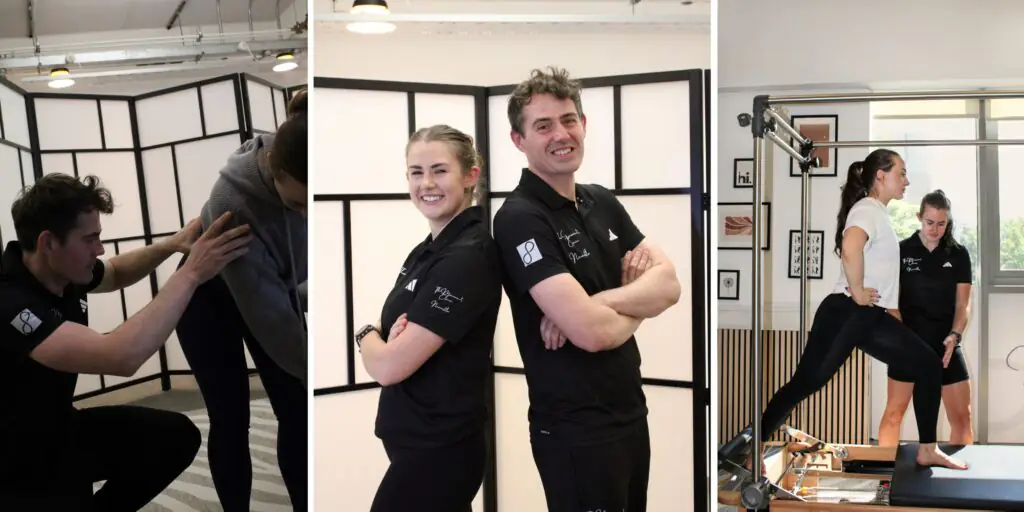
Based at Dance City, the clinic blends physiotherapy with reformer Pilates built on rehab science, and physios Ashleigh and John say autumn is when things really get busy.
We caught up with them to find out why darker nights are secretly brilliant for fixing injuries and building fitness, and what you can do this week to get ahead.
SUMMER’S OVER AND YOUR BODY KNOWS IT
Summer’s fun but chaotic. Holidays, kids off school and tens of thousands of people cramming in Great North Run training mean routines go out the window. Then September arrives, and everything snaps back into place.
“When autumn arrives, routine returns. People get back to structured gym schedules. Team sports and dance classes begin again, and running takes on a different vibe in cooler, darker days. More consistent weeks shine a spotlight on niggles or injuries.”
Says Ashleigh.
John thinks something deeper might be going on too. “It’s good to live seasonally, and in many ways your body will make you.” he says. With dark mornings, colder nights, and the leaves turning, he wonders whether the shift registers subconsciously and nudges people into dealing with the thing they’ve been putting off.
New season, new you? More like new season, sorted injury.
THE INJURIES THAT TURN UP IN SEPTEMBER
So, who’s walking through the door? Seasonal runners who pushed through over summer and are now feeling it in their knees and ankles, for starters. Tennis players and cricketers who made the most of the sun and ignored the aches. And parents whose lower backs have taken a battering from weeks of having the kids at home.
Then there’s the weather. Ashleigh explains that the nights closing in can actually crank up pain you already had. “Mood is like a volume switch on pain. A 5/10 pain can be a 9/10 if you’re tired or your mood is low,” she says. Nothing’s changed in the tissue itself. Your brain just gets more protective when you’ve got less mental bandwidth.
The good news is it works both ways. John says a clear explanation of what’s going on and a proper recovery plan take away the guesswork, “aka catastrophisation”, which lifts your mood and gives your brain less reason to fixate on the pain.
Understanding your injury really is half the battle.
DON’T GO FROM ZERO TO HERO
The biggest mistake? Doing way more, way faster. Physios call it “changes in loading”, and Ashleigh says a jump of 10 to 20% on the week before is enough to count. Dance City is a perfect example, because it doesn’t run classes over summer.
“This means adults coming back in are doing 100% more dancing than a week or two earlier. This by no means guarantees injury, but it is a risky moment,” she says.
The same goes if you’re heading back to the gym or lacing up your trainers after a break. You won’t lift what you lifted in June or run as fast, and that’s fine. “The good news is that rebuilding is way quicker than building in the first place,” says John.
Pace yourself. Your future self will thank you.
COLDS, LAYERS, AND THE RUN CLUB SHIVER
Cooler months bring their own curveballs. With schools and universities back, colds are doing the rounds, and John’s clear that training through a virus isn’t the hero move it feels like.
“Training through a virus sends you into colder months already depleted”
Says John.
Ashleigh’s bugbear is temperature. Wrap up too much on a run or ride and you’ll sweat buckets, then get cold fast. Her advice is to dress a layer cooler than you’d like and keep that extra layer handy for when you stop. A windbreaker that packs down to nothing does the job nicely.
“It’s a run club, not a Wim Hof ice challenge.” she says.
WHAT HAPPENS WHEN YOU WALK THROUGH THE DOOR
If you’ve been nursing a niggle since July and aren’t sure where to start, The Movement Clinic offers complimentary check-ups to make sure you’re in the right place.
Follow them on Facebook and Instagram, or you can WhatsApp Front of House Sandra on +44 7857 748027 and ask for the complimentary check.
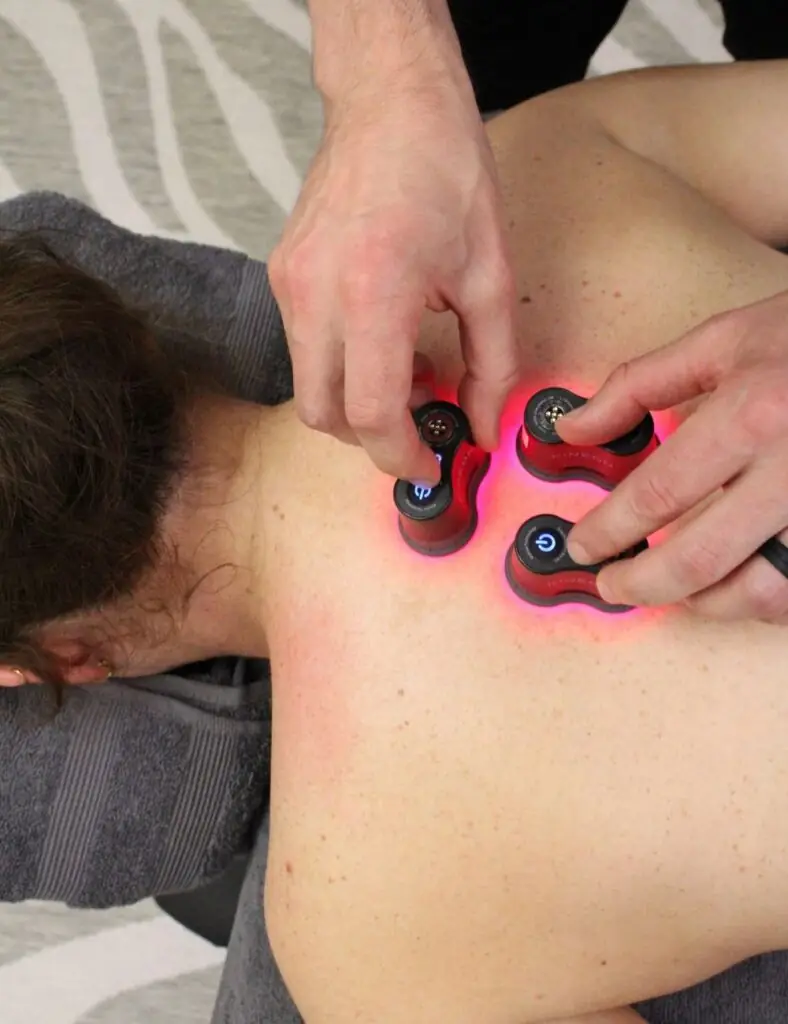
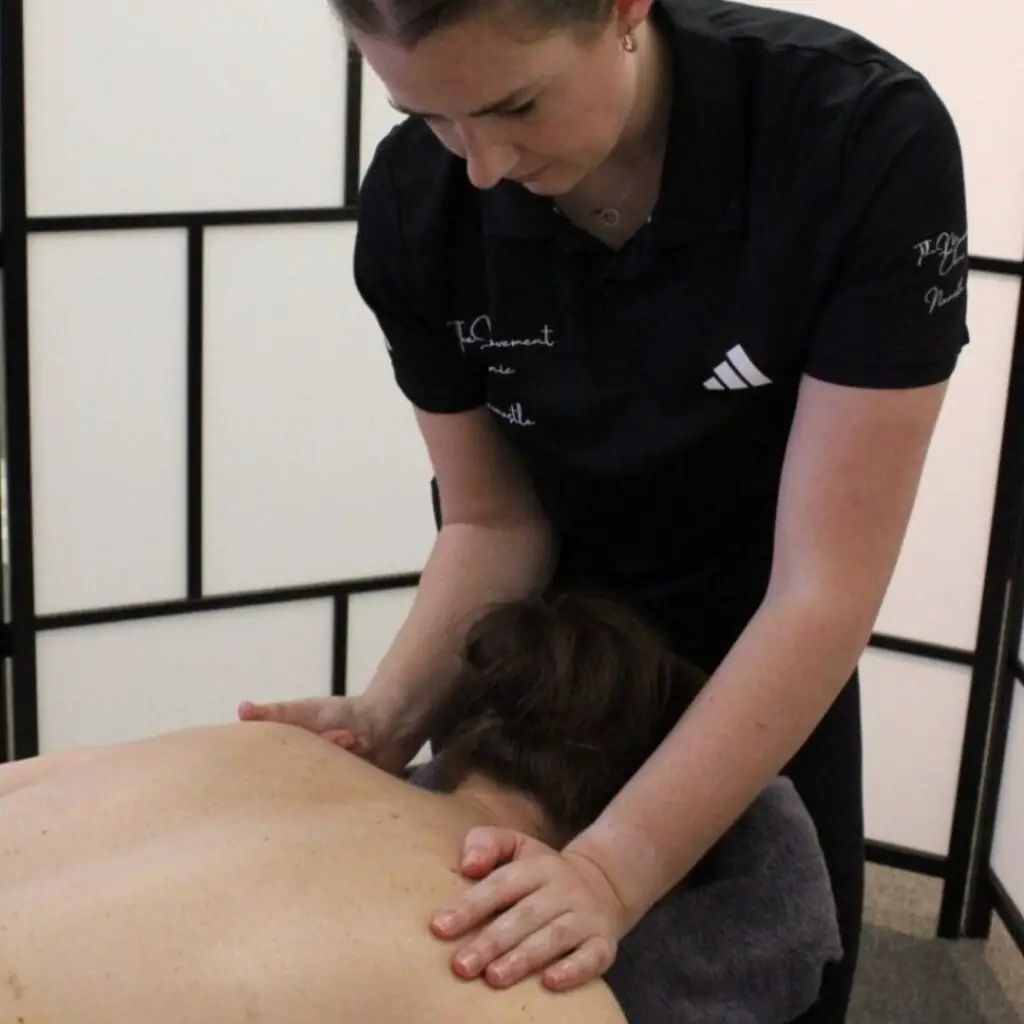
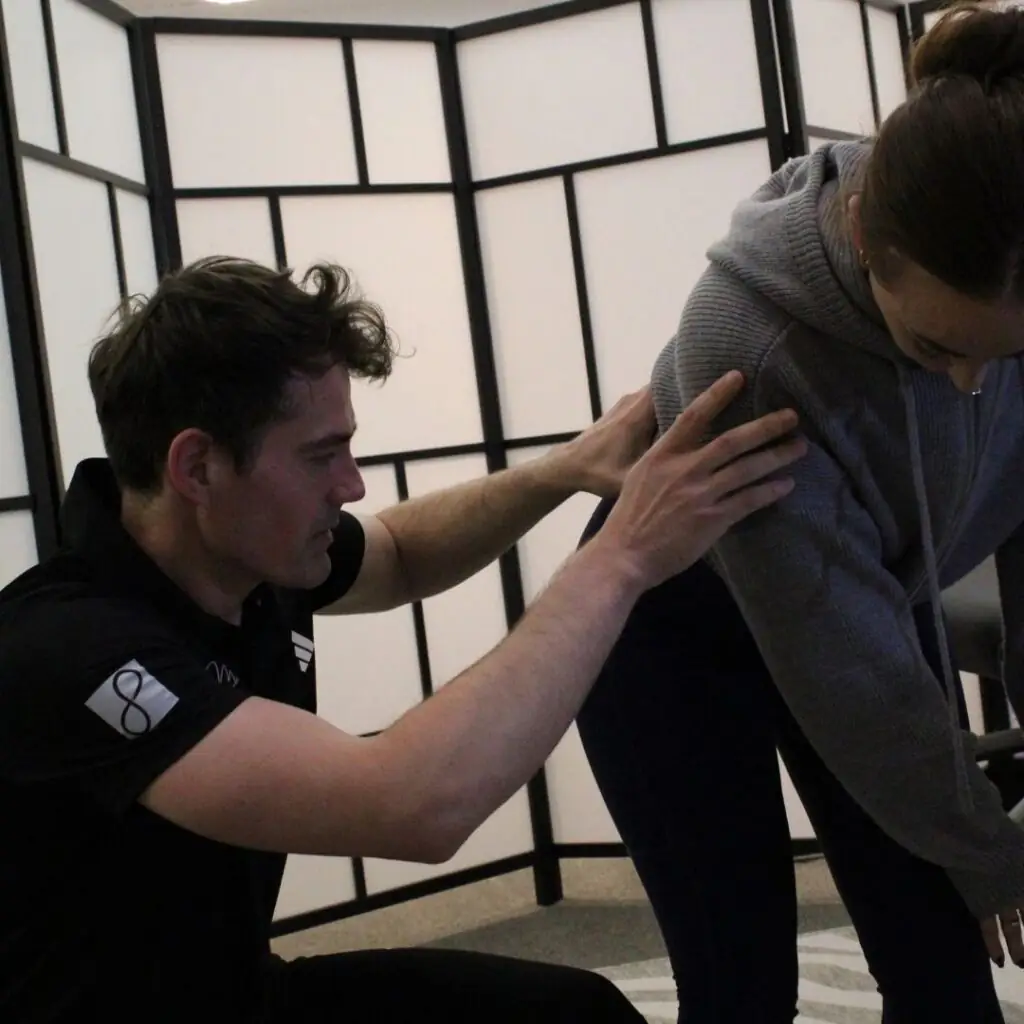
From there, the initial assessment covers your story, injury history, and goals, before a hands-on diagnosis of both the problem and the movement patterns driving it. Expect some treatment to ease tightness, mindful movements and self-care advice to take home, and a clear timeline for recovery.
Early sessions tackle symptoms and start chipping away at root causes, before the later stages of the plan go “headlong at those root causes.” Then, as John puts it, you feel better, your problem’s sorted, and you “maybe see us in a reformer class.”
WHERE REFORMER PILATES COMES IN
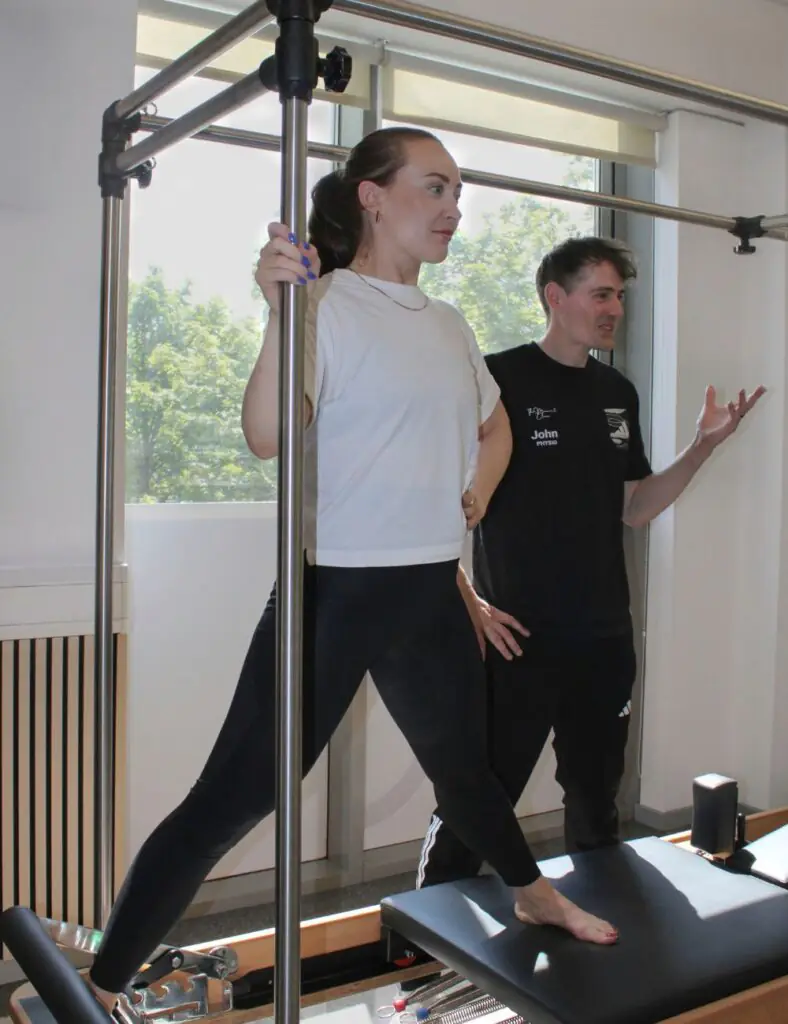
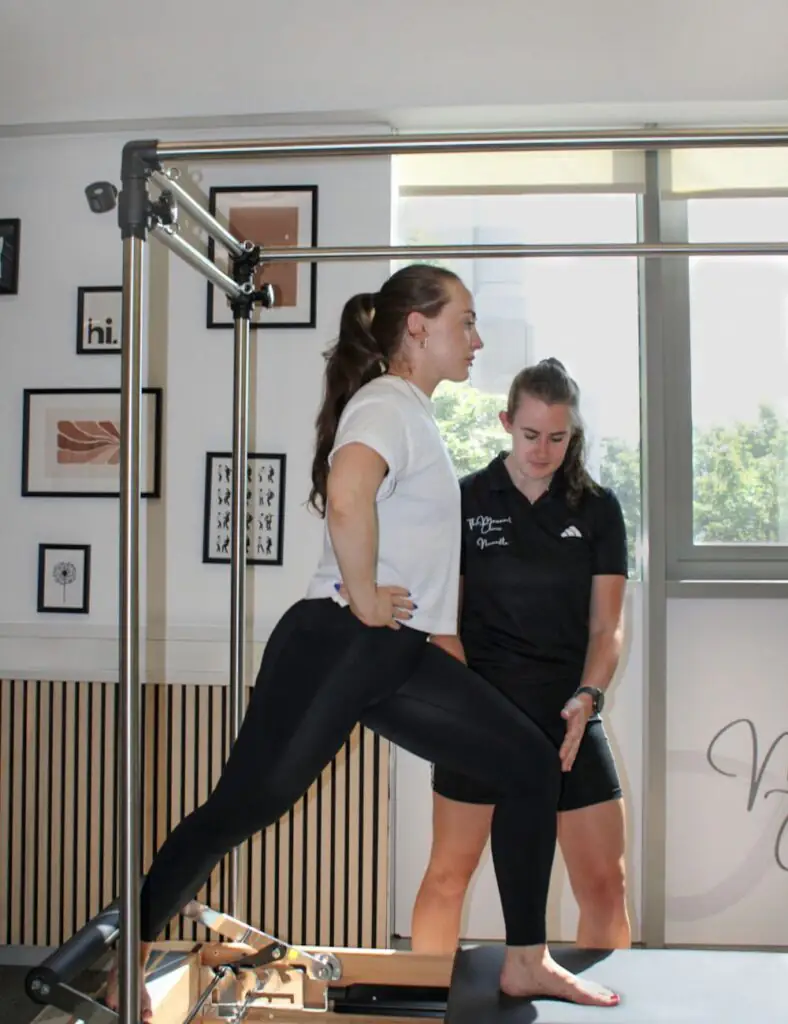
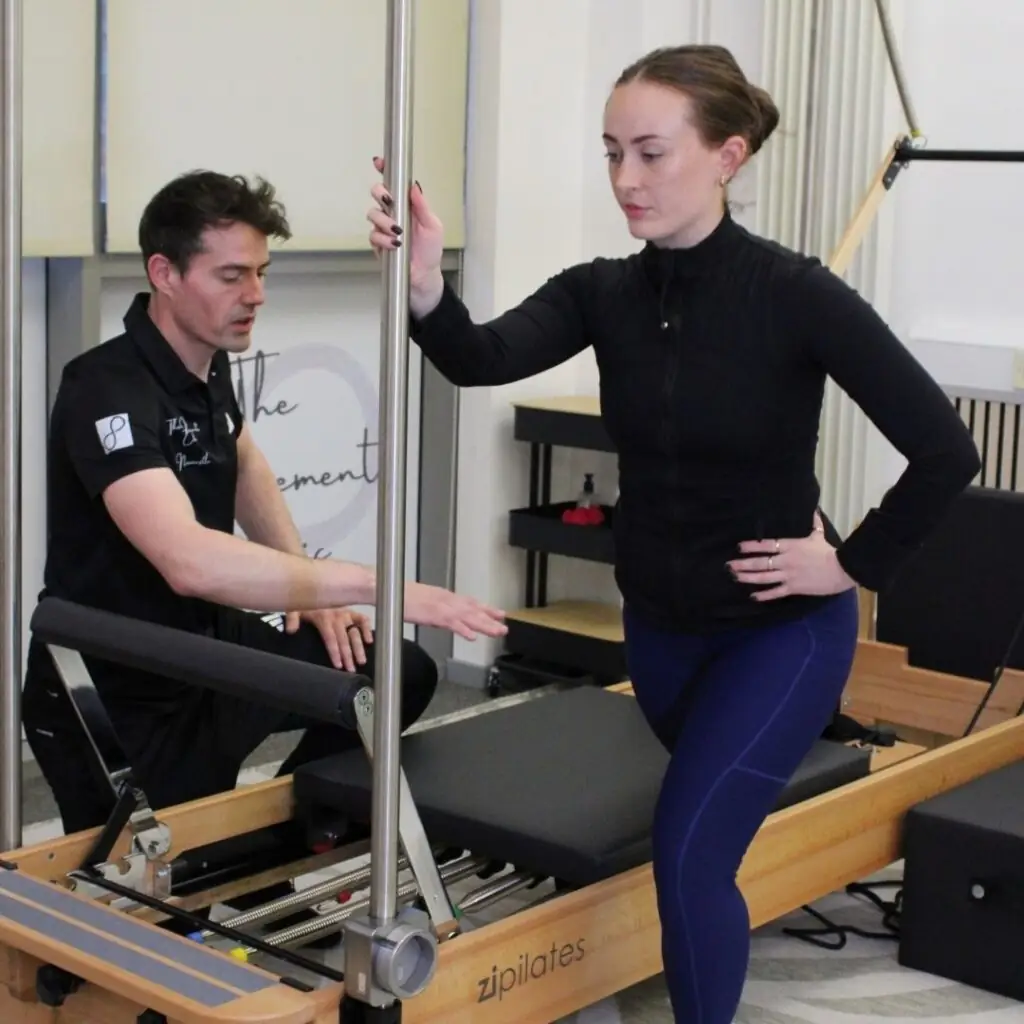
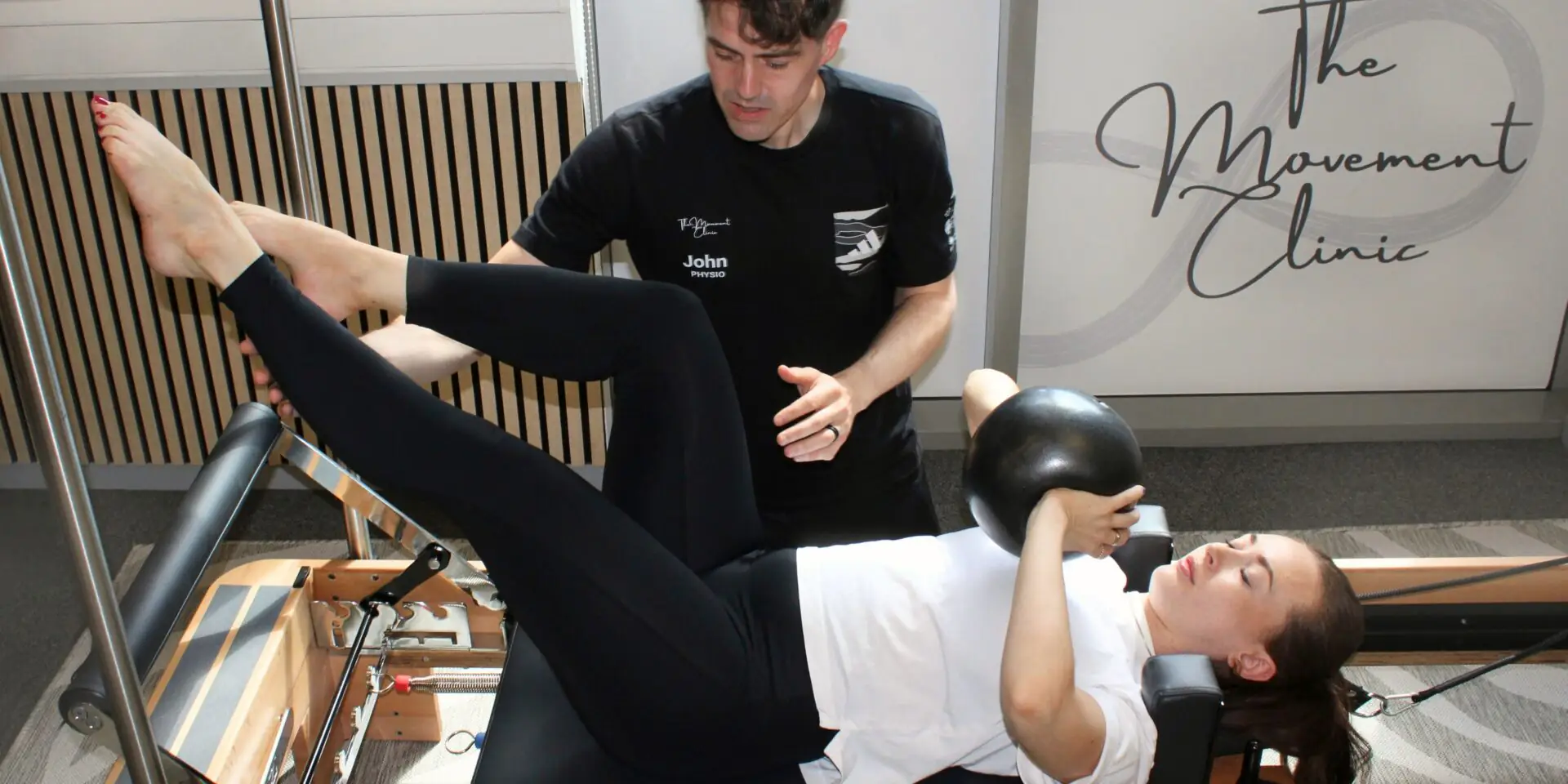
The clinic’s reformer classes aren’t your average Pilates session. “We build our reformer programming based on rehab science and biomechanics,” says Ashleigh. She explains the reformer earns its place because it trains the bits most of us neglect, like posture, coordination, and isometrics (holding a muscle under tension without moving), all of which set you up for a solid winter routine.
If you’re injured, John says the reformer lets the team start loading tissues safely much earlier than usual. For everyone else, it’s what they call “prehabilitation”, getting ahead of injury before it can happen.
ONE THING TO DO THIS WEEK
Ask John for one tip, and he’ll tell you to get your flu jab. “Flu is brutal. Most people think it’s a heavy cold. It’s not, don’t push yourself hard through it listen to your body.” he says.
Ashleigh’s got two more. First, get your aches and injuries sorted now, before Christmas swallows your attention and well ahead of those New Year’s resolutions. Second, build a plan that works with the seasons. Hate running in the dark? Don’t schedule after-work 5Ks. Solar powered? Book bright gym sessions and get outdoors at weekend lunchtimes.
“Don’t just pretend you can behave the same way as you did in July.”
Ashleigh says.
IS IT EVER TOO LATE?
Worried you’ve left it too late to fix your injury before winter? John’s answer is simple. “How long’s the right amount of time to be in pain? Surely it’s zero hours, zero days, zero weeks. There’s really no such thing as too late.”
Ashleigh reckons autumn might actually be the ideal moment, with so much rehab happening indoors on the reformer or in the gym. She likens it to hygge, the Danish knack for cosiness, with your movement becoming warmer, more indoor-focused, and nourishing in a different way.
Cosy rehab? Count us in. As always, if something’s hurting, get it checked by a qualified professional rather than pushing through.
The Movement Clinic, Dance City, Temple Street, Newcastle upon Tyne NE1 4BR



Rachael Ellis
Head of Content
After gaining a first in her BA Media and Journalism degree at Northumbria University, Rachael worked at Newcastle’s leading regional newspaper with her stories being picked up in national and global newspapers. She spent two very successful years giving a voice to those communities across the North East who otherwise…
Subscribe
Subscribe now to receive our twice-weekly emails and exclusive offers for High Life North readers.