







- Feel Good
- 20th May 2026
- 0
- 0 minute
“I was an EV sceptic. Then I drove the Polestar 3 through Northumberland…”
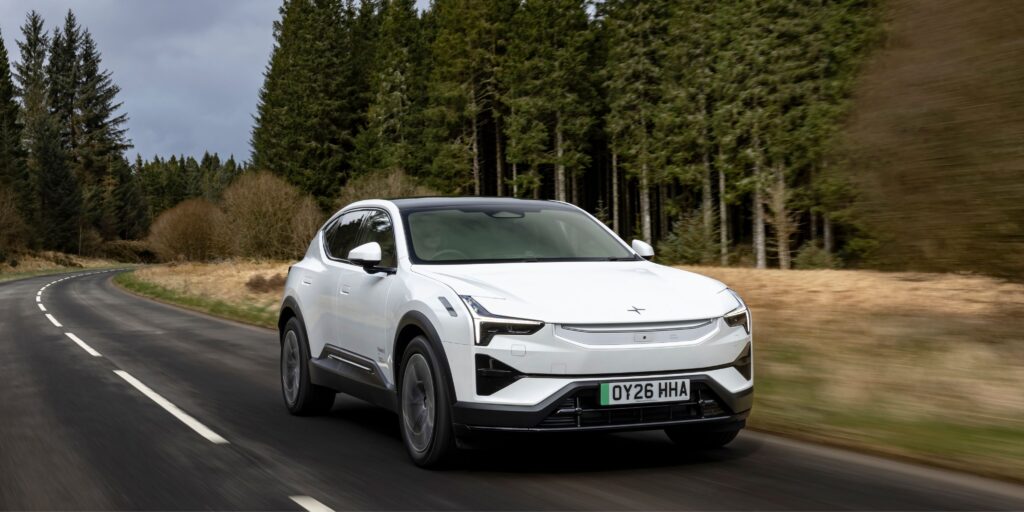
There’s a moment when you realise everything you thought you knew about something was wrong.
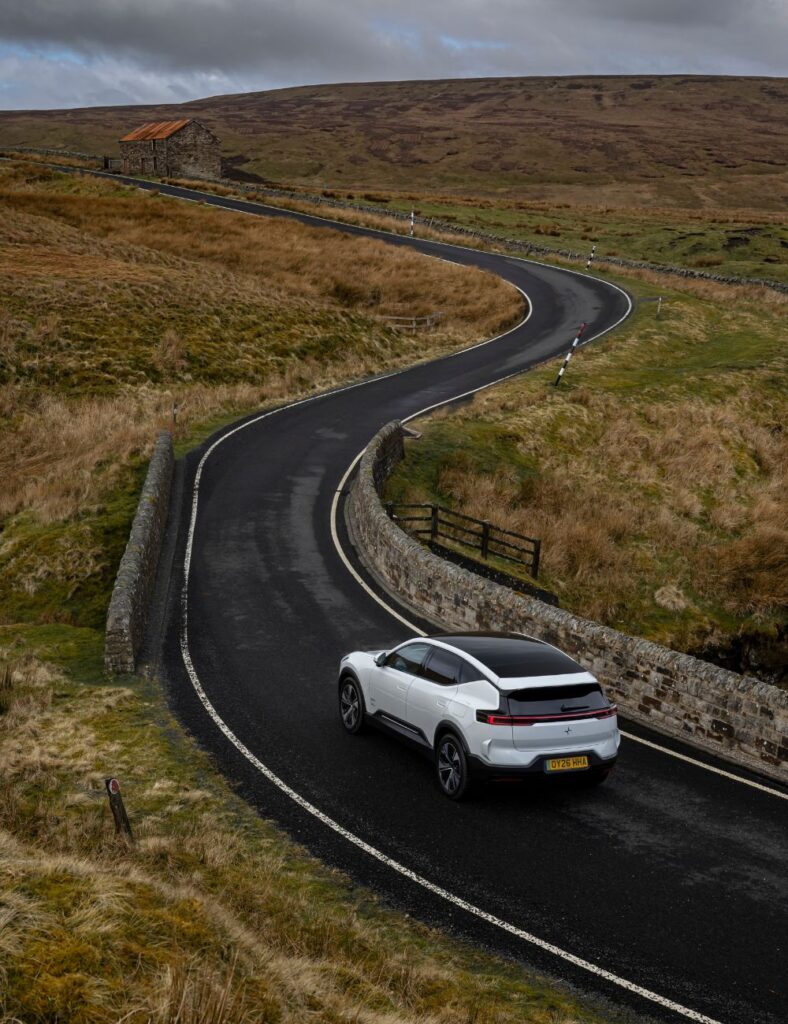
For me, that moment came on a sweeping Northumberland road behind the wheel of the Polestar 3. But let me rewind a bit, because I wasn’t always this enthusiastic about electric cars…
I’d had a hybrid Volkswagen Golf GTE back in 2016 and while it sounded great on paper, the reality was a 30-mile electric range that vanished the moment you hit 70mph on the motorway. I’d barely make it from Newcastle to Durham before the petrol engine kicked in, and the whole thing felt like a compromise lugging a heavy battery around rather than a step forward. It left me thinking electric vehicles just weren’t there yet, and I carried that assumption around for years.
So when I was invited to a Polestar driving experience at Matfen Hall in Northumberland, I went along with curiosity but a fair dose of scepticism. I expected to be politely impressed and quietly unchanged. What actually happened is that I drove the Polestar 3 through some of the best roads in England and came back thinking very differently.
The car
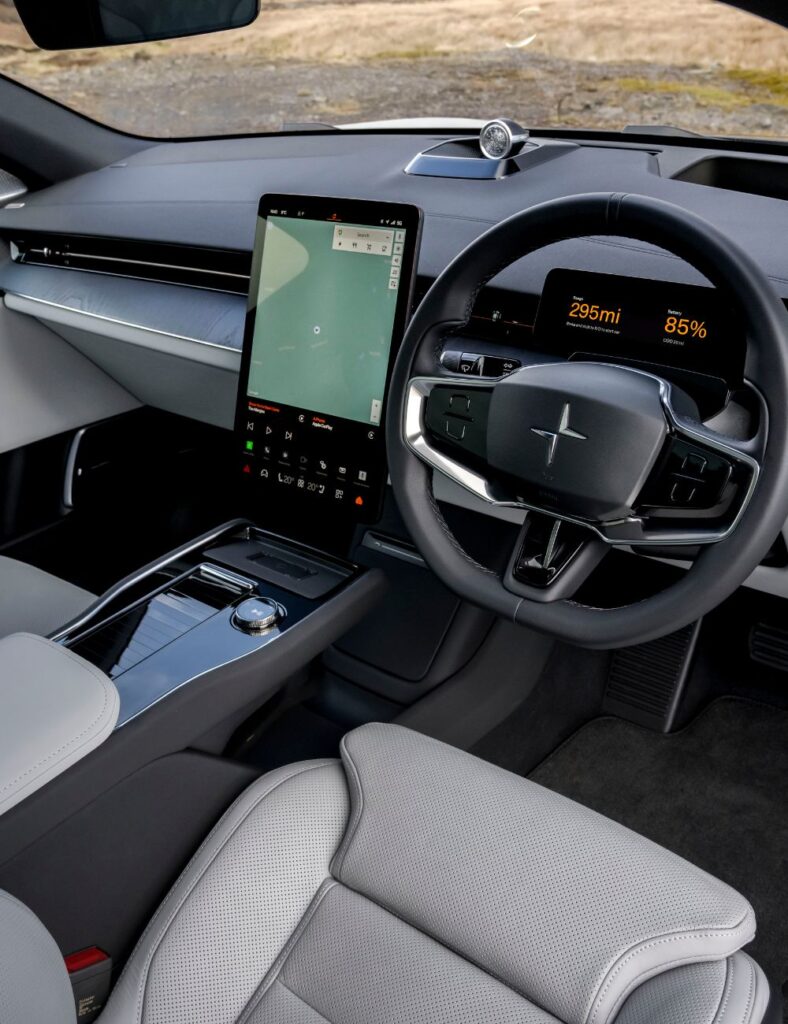
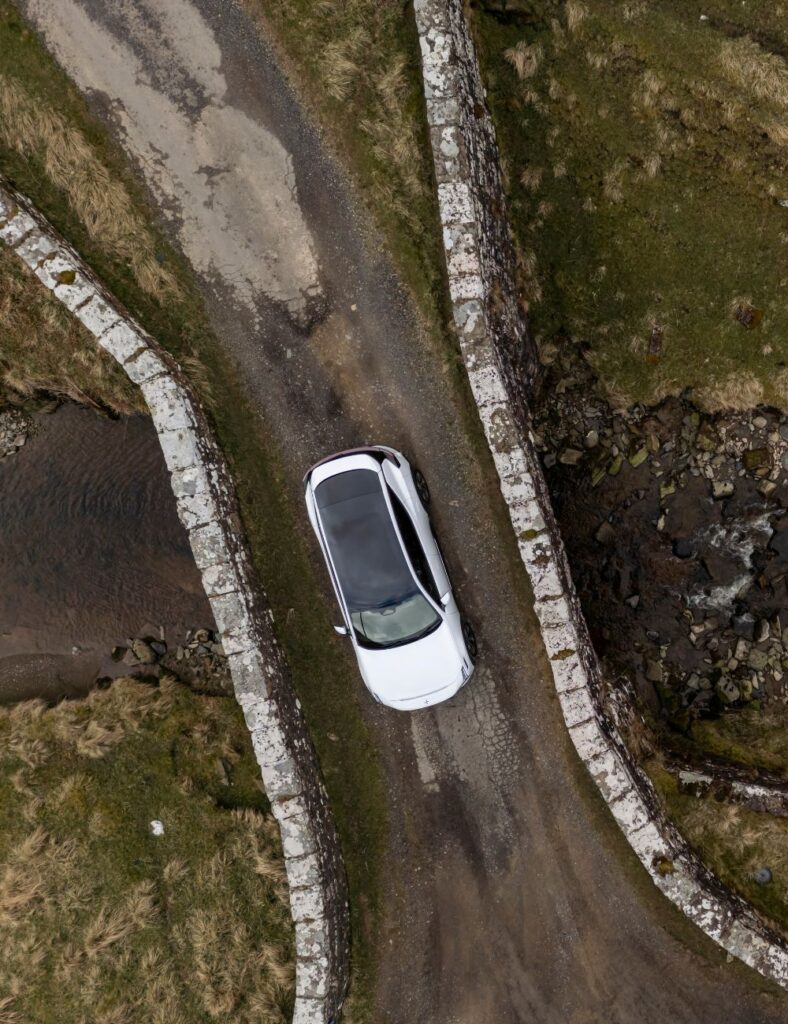
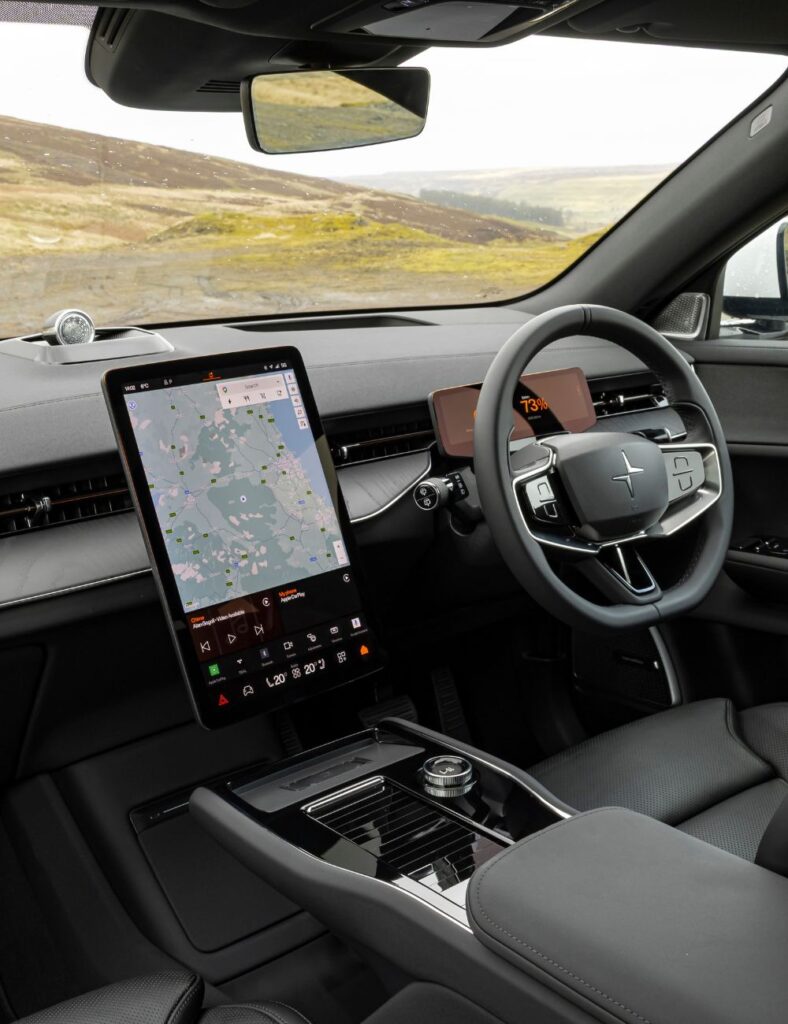
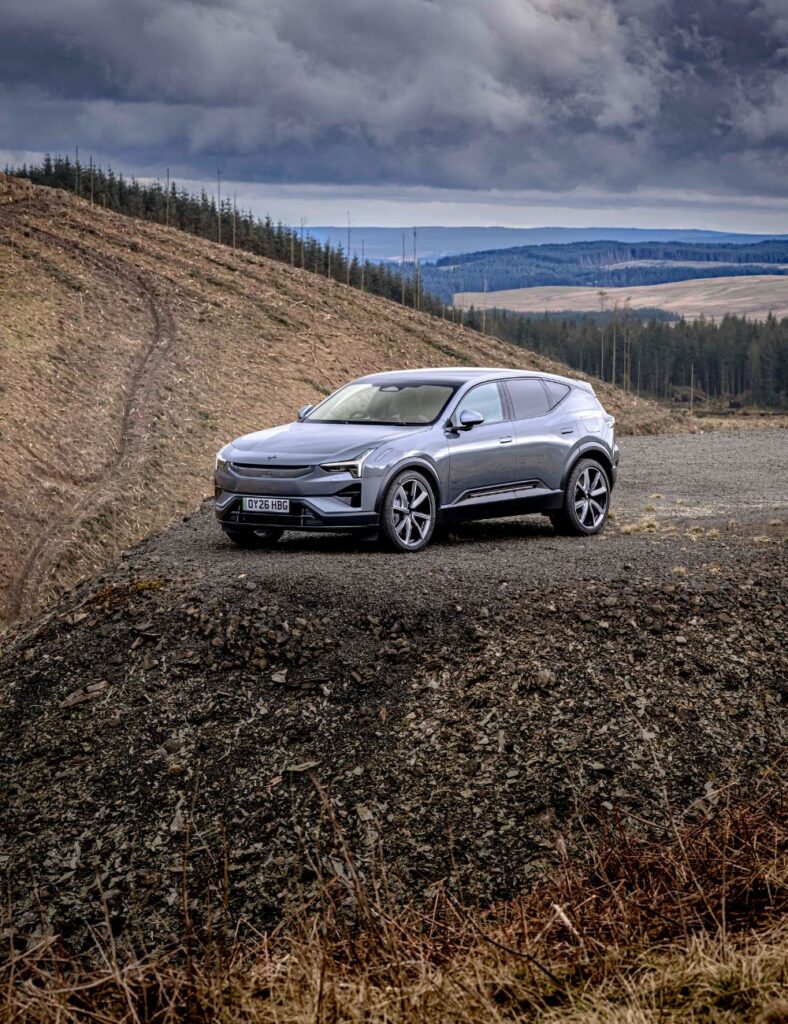
The Polestar 3 is the Swedish brand’s first SUV. Polestar was born out of Volvo and is headquartered in Gothenburg, and that Scandinavian design runs through every detail. The interior is minimalist, considered and premium, with sustainable materials used throughout. It feels like a well-made, well-designed car that happens to be electric. Google is built into the infotainment system, so you get Google Maps and Google Assistant as standard, which makes the whole experience feel intuitive from the moment you sit down.
Then there’s the sound system. The Polestar 3 offers a Bowers & Wilkins audio system with an Abbey Road Studios feature that lets you change the listening style. The speakers are built into the headrests for a fully immersive listening experience. It’s the kind of setup that makes you actually look forward to getting in the car. Forget podcasts on your commute, this is karaoke time.
The drive
The dual-motor, all-wheel-drive Polestar 3 produces a punchy 536bhp and does 0 to 62mph in around five seconds. It’s powerful, smooth and quiet. The handling is sharp, the ride is comfortable, and on Northumberland’s sweeping country roads it felt effortless. We have some of the best driving roads in the UK up here, and it was a privilege that Polestar, a global brand, chose Matfen Hall and Northumberland as the setting for this experience.
But the thing that shifted my thinking was the range. The Polestar 3 offers up to 394 miles on a single charge depending on the spec. That’s not 30 miles that disappear at motorway speed. That’s Newcastle to London and beyond without stopping. As one of the Polestar team put it, the car will outlast your bladder. They’re not wrong.

The money
This is where it gets interesting. The Polestar 3 starts from around £71,540 new, which puts it in line with comparable premium SUVs from the likes of BMW and Audi. If you’re looking at the used market, the Polestar 2, the brand’s popular saloon, is now available second-hand from around £20,000 to £25,000 depending on spec and mileage, making it a strong entry point into the brand.
The running costs are where the real savings kick in. Electricity costs roughly 3 to 5p per mile compared to 15 to 20p per mile for petrol or diesel, so the difference adds up fast. For company car drivers, benefit-in-kind tax on EVs sits at just 3% compared to up to 37% for traditional engines, which can translate to savings of thousands per year. There’s no London ULEZ charge either, and maintenance costs are lower across the board with no clutch, no exhaust and no oil changes to worry about. If you’re charging at home on an off-peak tariff, the numbers become even more compelling.
Charging at home
Most EV drivers charge overnight at home and start every morning with a full battery, which means you rarely need to think about public chargers for day-to-day driving. Having a home charger installed is straightforward. A dedicated wallbox, such as a Pod Point or Ohme unit, typically costs between £800 and £1,200 to supply and install, and most installations are completed in a few hours. The UK government previously offered a grant towards home charger installation through the Electric Vehicle Homecharge Scheme, and while that has now closed for homeowners, grants of up to £350 are still available for renters and flat owners through the EV chargepoint grant. It’s worth checking the latest eligibility on the gov.uk website, or with your electricity provider.
The bigger picture
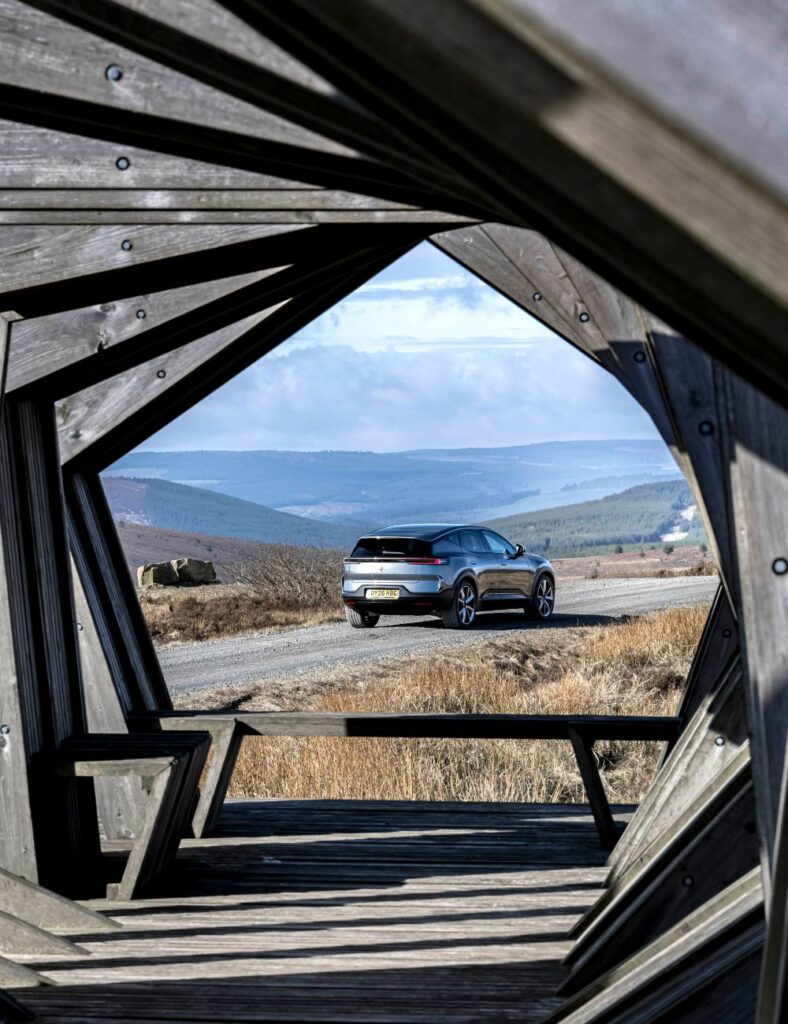
The UK’s charging infrastructure has come on significantly, with over 120,000 public charge points now available across the country and rapid chargers capable of adding meaningful range in just 20 to 30 minutes. The government has committed to expanding the network further, and new charge points are being added at pace. The days of worrying about being stranded are largely behind us.
I went to Matfen Hall expecting a pleasant afternoon. I came away rethinking my next car. The technology has moved on so far from my hybrid Golf days that it feels like a different industry altogether. If you’re still on the fence, here are a few of the myths worth unpacking.
EV myth busters
Still not sure? Here are the questions I had, and the answers that changed my mind.
Electric cars are too expensive
When you factor in lower running costs, reduced tax and minimal maintenance, the total cost of ownership is often comparable to, or less, than a petrol or diesel equivalent. And with strong approved used options like the Polestar 2 now available from around £20,000, the entry point is more accessible than many people think.
Second-hand EVs won’t last
Modern EV batteries are designed to retain at least 70 to 90% of their capacity after eight years or 100,000 miles, and most manufacturers offer lengthy battery warranties (Polestar offers eight years). The technology is more durable than many people assume, and the second-hand EV market is growing rapidly.
What if I get stranded without a charger?
With over 120,000 public charge points across the UK and cars like the Polestar 3 offering up to 394 miles of range, running out of charge takes more effort than running out of petrol. For longer journeys, apps like Zap-Map or Google Maps make it easy to plan your route around charging stops. Rapid chargers can add up to 80% charge in around 22 minutes, roughly the time it takes to grab a coffee and stretch your legs.
They’re not as good to drive as petrol cars
Wrong. The instant torque from an electric motor means the acceleration is immediate and smooth. The Polestar 3 is an engaging, composed car to drive, and the quiet refinement at speed is something you notice straight away.
I didn’t expect a single afternoon to change my perspective on electric vehicles, but here we are. The Polestar 3 is a capable, well-built car, the technology has moved forward at pace, and the practical barriers that held so many of us back aren’t there anymore. If you’ve been putting it off, it might be time to book a test drive and find out for yourself.
PR event: Laura attended a Polestar driving experience at Matfen Hall as a guest of Polestar. All opinions are her own.



Subscribe
Subscribe now to receive our twice-weekly emails and exclusive offers for High Life North readers.