







- Feel Good
- 17th Apr 2026
- 0
- 0 minute
The unspoken social rules every Northerner just knows
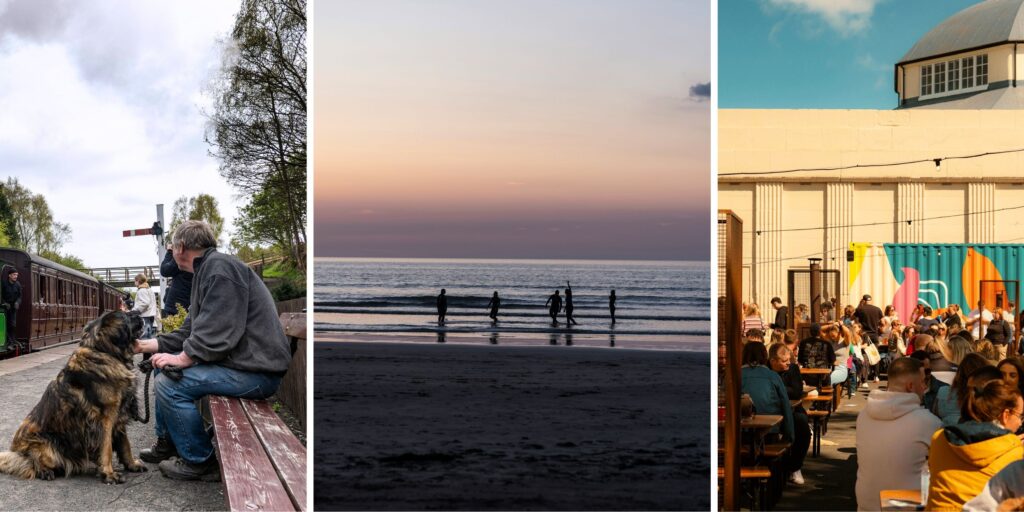
Every region has its customs. In London, it’s standing on the right of the escalator. In the North East, it’s more nuanced. More coded. Less written down but absolutely enforced.
You won’t find these rules on a sign – but break one, and you’ll feel it. Not aggressively. Just… atmospherically.
Consider this your unofficial cultural anthropology of the North East.
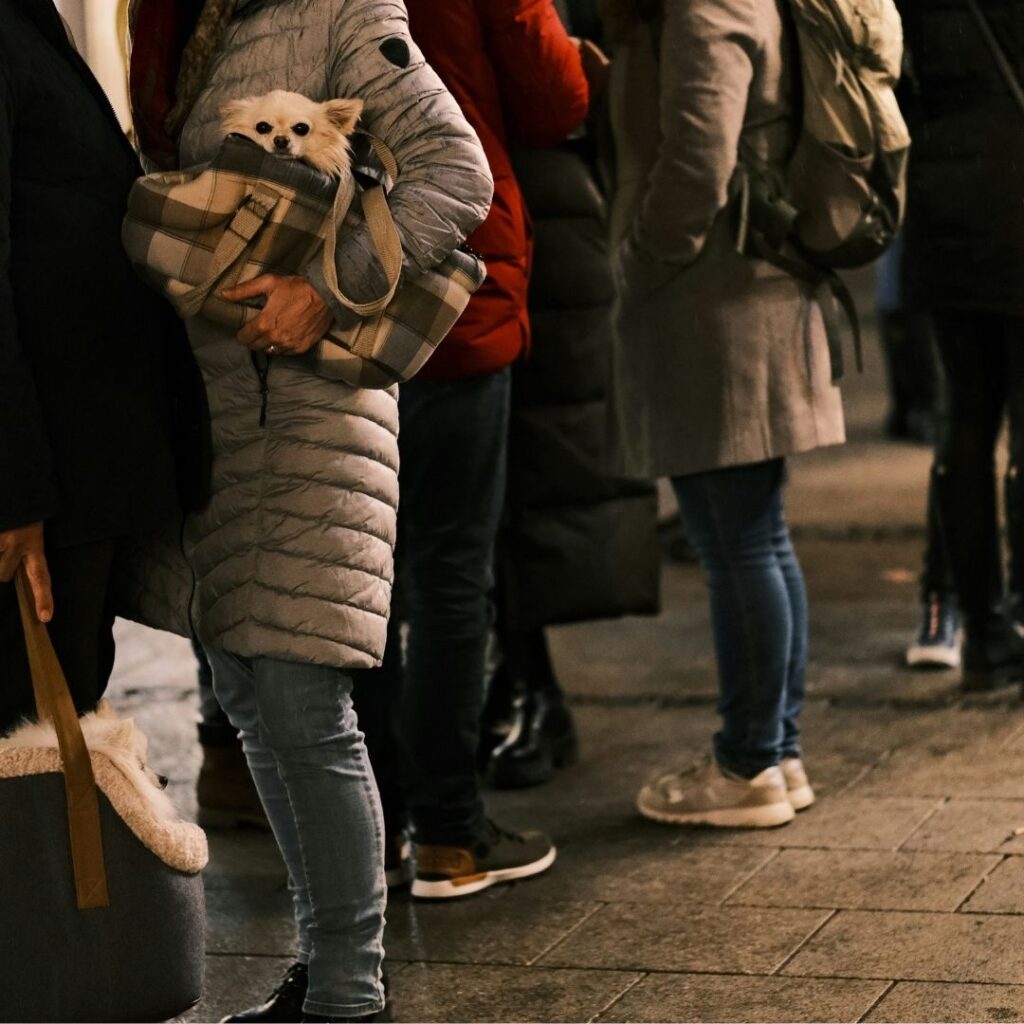
THE QUEUE IS SACRED (BUT FLEXIBLE)
We queue properly here. None of this vague “who’s next?” energy. There is an invisible but universally understood order, even at the bar. Especially at the bar.
However, we are also pragmatic. If someone is clearly waiting before you, you will nod to the bartender and say, “They’re next.” This isn’t optional. It’s moral.
On the Metro platform, there’s a similar choreography: people hover near where doors usually open. We won’t form a straight line, but we know who was there first. Try to edge in late and board early, and you’ll receive “the look” – polite, restrained, devastating
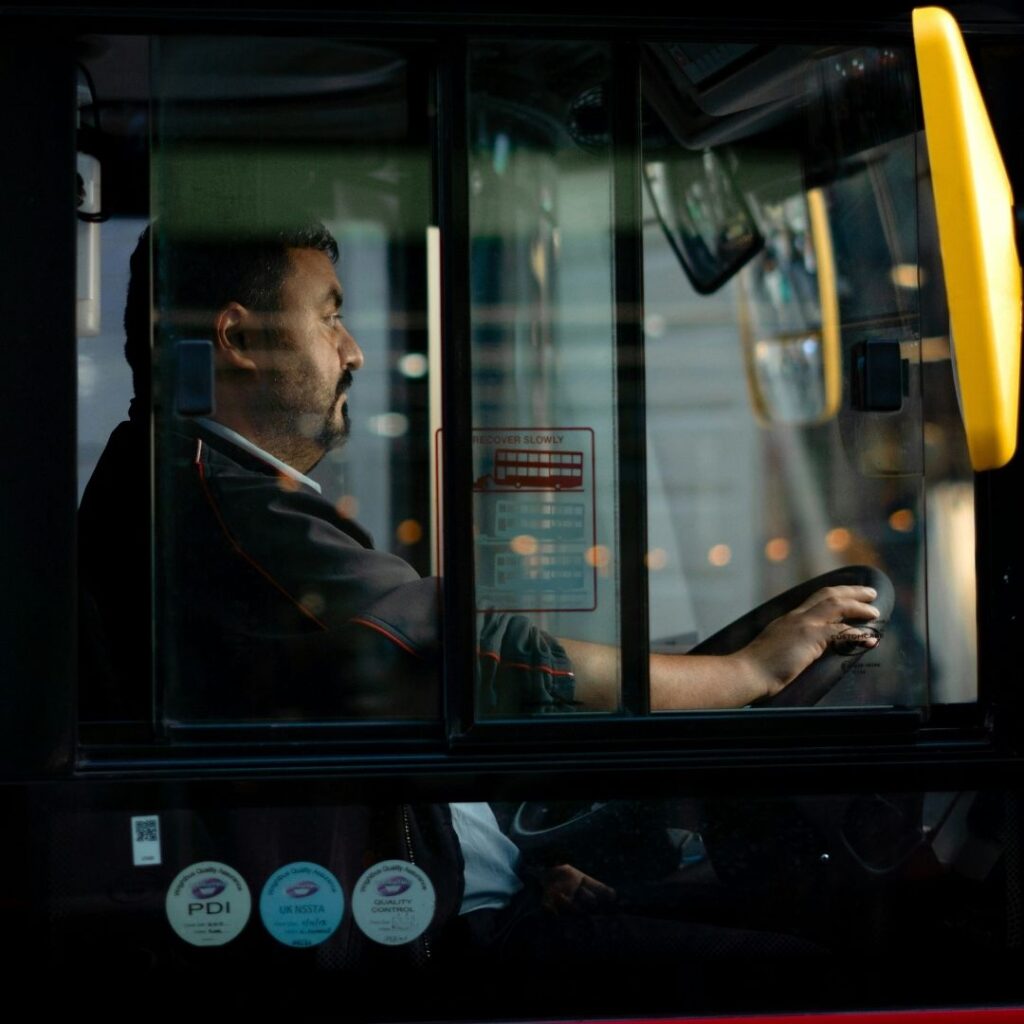
YOU’LL THANK THE BUS DRIVER
This is non-negotiable.
As you step off the bus, you say, “Cheers,” “Thanks,” or, at minimum, a grateful nod. Silence is noticed. Silence suggests you were raised elsewhere.
It doesn’t matter if the driver has been silent, stoic, or navigating roadworks with the calm of a saint. You thank them. It’s part gratitude, part social glue.

WEATHER IS BOTH A GREETING AND A BONDING RITUAL
We don’t “make small talk.” We exchange meteorological solidarity.
“Bit windy, isn’t it?” “Aye, it’s a bit nippy.”
This isn’t filler conversation. It’s an acknowledgement that we are in this together – the sideways rain, the unexpected heatwave, and the suspiciously mild January. The weather here is a shared experience, and commenting on it is a low-pressure way of finding common ground with a stranger.
And we’re never happy – it’s always “too hot” or “too cold.”
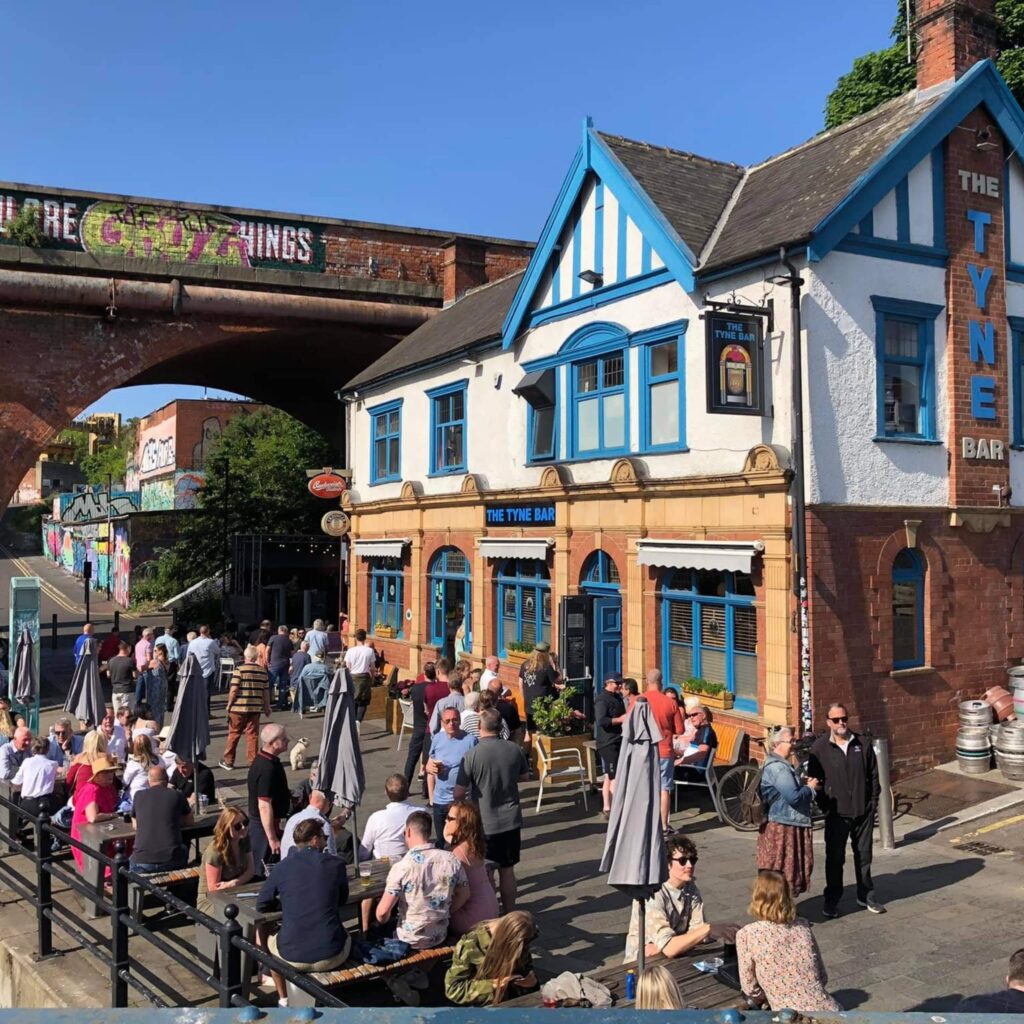
PUB GEOGRAPHY MATTERS
In a North East pub, your position says everything.
Standing at the bar? You’re ordering or mid-catch-up. Sat in a booth? You’re settled. Possibly for hours. Near the door? Temporary. Transitional.
There is also an unspoken agreement that, if the pub is busy, you make room. Shuffle bags, compress slightly, and even share tables. A quiet choreography of spatial generosity unfolds.
And if someone drops a glass? There will be a collective “Wheyyyy!” It’s not mockery. It’s a ritual.
YOU PRETEND YOU DON’T KNOW, EVEN WHEN YOU DO
If you see someone you vaguely know in the supermarket, you have three options:
- Full enthusiastic greeting.
- The subtle eyebrow raise and half-smile.
- A mutual decision to inspect the crisp aisle intensely.
All are acceptable. The key is that both parties silently agree on which level of interaction you’re operating at. There is deep social intelligence in that split-second negotiation.
PERSONAL SPACE IS GENEROUS, UNTIL IT ISN’T
On public transport, we aim for maximum distance between strangers where possible. Bags on laps. Eyes forward. Headphones deployed.
But if circumstances compress us (busy Metro, match day, event night), we collectively accept it without drama. There’s minimal tutting, maximum stoicism.
Also, if someone needs a seat more than you, it will be offered. Quickly. No fuss. No announcement. Just quiet decency.
YOU DON’T BRAG, YOU UNDERSTATE
Success here is worn lightly.
If someone has achieved something impressive, they’ll probably describe it as “aye, not bad.” The appropriate response is encouragement without excessive fanfare. Pride is expressed sideways.
This isn’t a lack of ambition – it’s cultural calibration. Modesty reads as strength.
SMALL ACTS OF PUBLIC KINDNESS ARE EXPECTED
Holding doors. Letting someone merge in traffic (to an extent). Helping with a buggy. These things happen automatically.
There’s also the hyper-specific phenomenon of giving directions in astonishing detail. Ask where something is, and you’ll receive landmarks, shortcuts, historical context, and possibly a personal anecdote.
We don’t just point. We narrate.
COMPLAINING IS A FORM OF AFFECTION
We are allowed to complain about the region. We are not thrilled when outsiders do it.
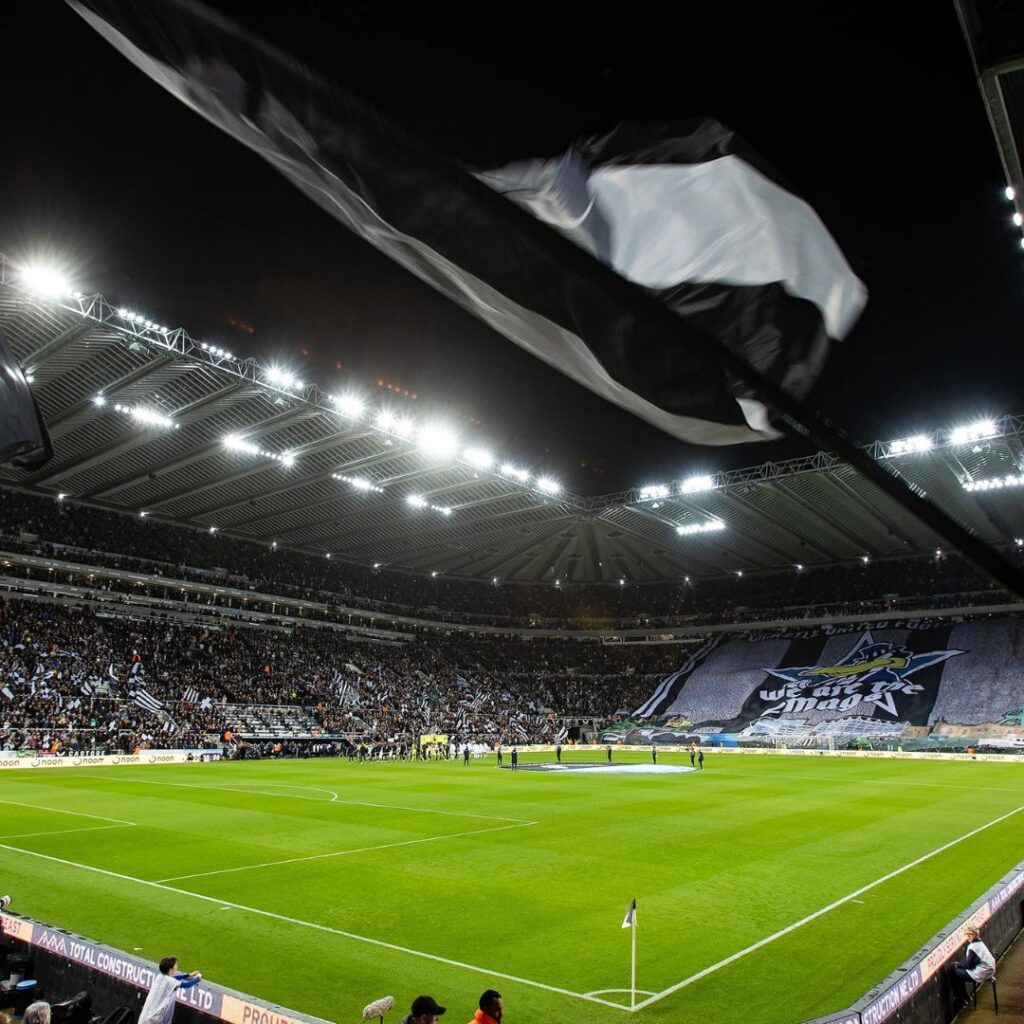
You can grumble about the weather, the roadworks, and when NUFC lose again. But it comes from a place of belonging. It’s an internal critique, not dismissal.
It’s the difference between “This always happens,” and “It’s actually canny here, you know.”
SHARED UNDERSTANDING RUNS DEEP
Perhaps the biggest unspoken rule is this: we assume goodwill.
Conversations with strangers at bus stops. A quick chat in a queue. Eye contact that turns into a brief joke about the situation you’re both in. It’s not intrusive; it’s connective.
Equally, if someone clearly doesn’t want to chat, that boundary is respected without offence. We’re socially fluent in both modes.

THE QUIET BRILLIANCE OF IT ALL
None of these rules are dramatic. They won’t be printed on tote bags. But they create a particular atmosphere – one built on fairness, warmth, and understated humour.
The North East runs on small acknowledgements: a nod, a thanks, a “you first,” a shared comment about the wind.
And once you know the rules, you realise something comforting: everyone else knows them too.



Subscribe
Subscribe now to receive our twice-weekly emails and exclusive offers for High Life North readers.