





- Work Hard
- 28th Aug 2026
- 0
- 0 minute
You don’t have to grow up in farming to work in farming – the North Tyneside woman bridging farming and conservation
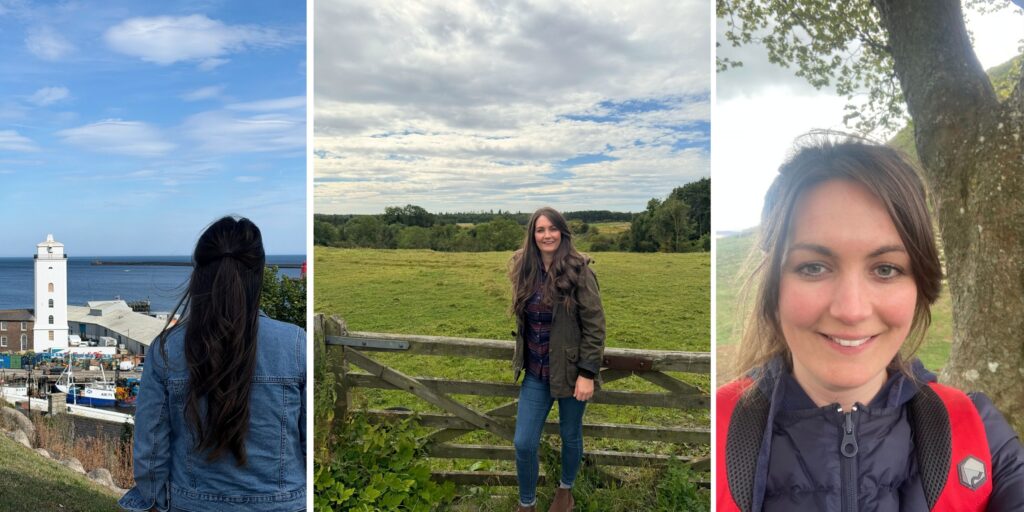
Danielle Anderson-Hire grew up in North Tyneside with no farming background and a careers adviser who once sent her to a pet shop for work experience. Two decades on, she has built a career translating between farmers, conservationists and corporate partners, and this month she launches her own consultancy to do exactly that. Here is her story, in her own words.
Every career story needs an origin moment, and Danielle Anderson-Hire’s is a teddy bear called Barry.
Barry is a toy bat. He has sat through job interviews, school outreach sessions and educational workshops, and he has quietly been at Danielle’s side for most of her journey into conservation and agriculture, a journey that started, by her own admission, in a slightly unlikely place.
A wonky start
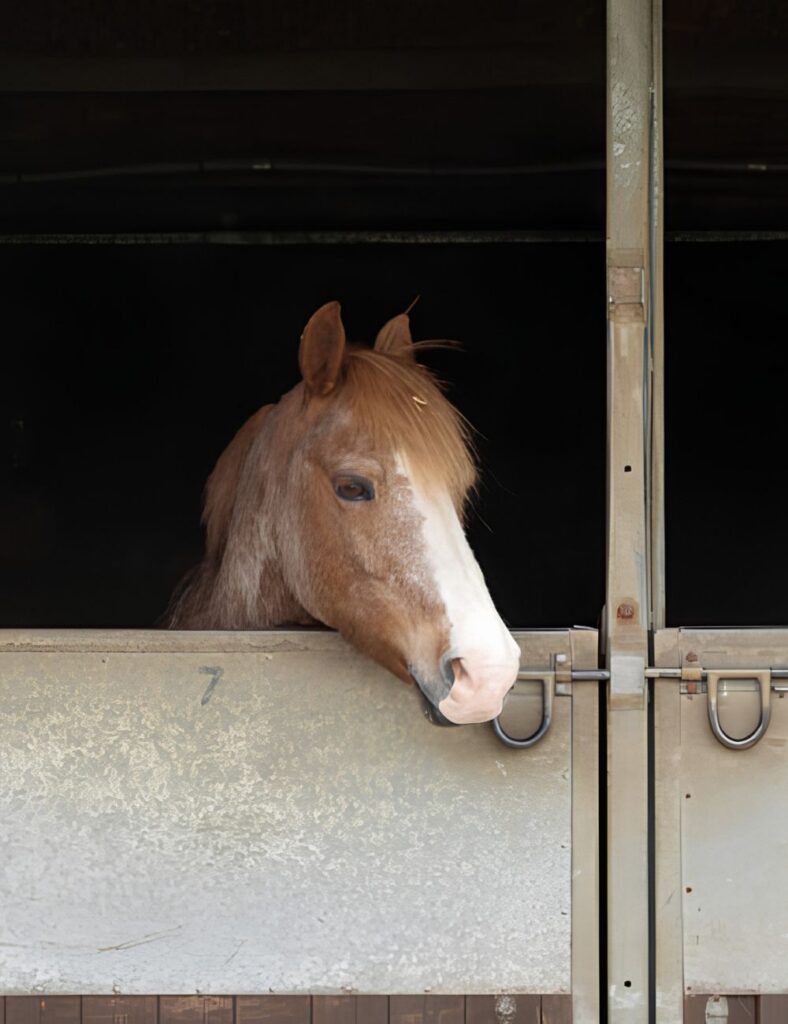
Danielle knew from an early age that she wanted to work with horses. She had been riding at her local school since she was four, and when work experience week rolled around, she confidently told her careers adviser she wanted a career in the equine sector, without a clear idea of what that actually meant.
The advice she got back was to arrange work experience at a local pet shop. It was well meant, she says, but not quite the career breakthrough she was hoping for.
It was her dad who came to the rescue, tracking down a course in horse management at Kirkley Hall College in Northumberland and persuading the college to let her spend her work experience week there. It was the first real glimpse she had of what a career working with horses could look like.
Conservation came a little later, and almost by accident. An invitation to a red squirrel event with Northumberland Wildlife Trust was the moment it clicked that working with nature could actually be a job. Horses, a slightly questionable work experience placement and a dad who knew where to look: between them, they set her on the path to a career in nature, conservation and agriculture.
Nature on the doorstep
Danielle did not grow up surrounded by countryside. North Tyneside gave her small pockets of nature rather than open fields, but those pockets did a lot of heavy lifting.
There were riding lessons at Murton Riding School (she still remembers her first pony, called Nipper), after-school visits to a parcel of land at Rake Lane to see two horses she and her friends nicknamed Toffee and Sandy, and a loan horse at Jackson Farm. Both Rake Lane and Jackson Farm have since been built on for housing, which makes those memories feel more precious now, not less.
Bat walks at Rising Sun Country Park were where her fascination with wildlife really took hold, and it was here that Barry the toy bat entered the picture. From the age of 12 she was also volunteering at Ouseburn Farm and Stepney Bank Stables, quietly building the hands-on experience that would shape everything that came next.
Finding the job title for the thing she loved
Danielle’s first proper job, found through the council website, was as an Education Warden at Rising Sun Country Park, running mini beast hunts and building bug hotels with visiting school groups. Alongside it, she volunteered with the RSPB as a Schools Outreach Officer on its Giving Nature a Home campaign, work that let her combine conservation with the teaching and people skills she was discovering she had.
The project she is proudest of
Ask Danielle to pick a career highlight and she points to managing a farmer facilitation fund that grew from a small gathering into the largest group of its kind in the Northern area, drawing farmers and land managers from across the region.
The group existed to share knowledge and encourage collaboration, but the real measure of success, she says, was what happened after the conversations: farmers going on to deliver nature-based solutions that improved water quality and created and enhanced habitats on their own land. For Danielle, it proved a point she comes back to often, that some of the best conservation happens when the right people are simply sat around the same table.
Busting the myths, from both sides
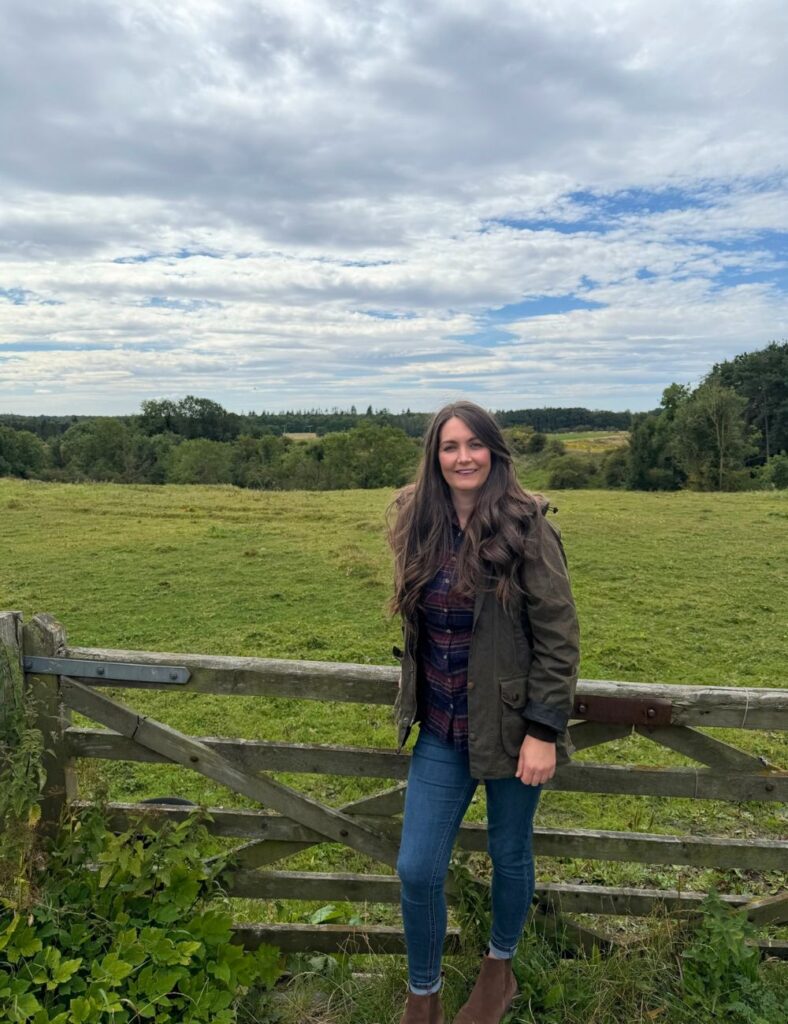
Working across two worlds means Danielle hears the misconceptions from both directions. From city dwellers, it is usually the assumption that farmers must be wealthy, an idea she puts down to the visible scale of land and machinery. The reality, she says, is that many farmers are asset rich but cash poor, their land and equipment valuable on paper without translating into spare money day to day. She credits Jeremy Clarkson with doing more than most to puncture the easy-money myth of farming life.
From the other side, conservationists have long carried their own stereotype among some farmers, dismissed as “tree huggers” who do not understand the realities of running a farming business. Bridging that gap in perception is, in many ways, the whole point of Danielle’s career.
Earning her seat at the table
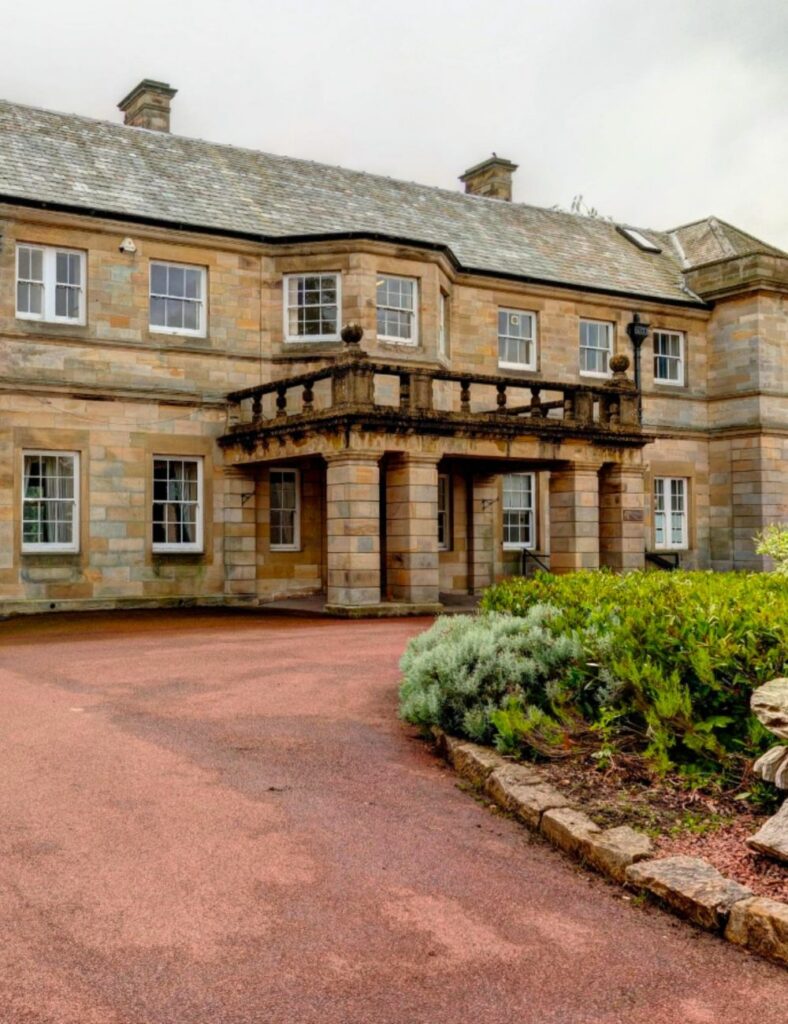
Building credibility in agriculture, particularly as a woman entering a traditionally male-dominated industry with no farming background, did not happen overnight. Danielle studied at Kirkley Hall College in Ponteland, where she was the only woman to complete her three-year course, and found the agricultural community far more welcoming than she had expected.
She made a point of gaining as much practical experience as possible, volunteering on a friend’s farm during lambing time, shadowing the college stockman to learn pig management, and working on a farm in Northumberland where she could combine her two great interests of horses and agriculture. Playing rugby and joining Ponteland Young Farmers Club helped her build friendships and, just as importantly, become part of the community she wanted to work within.
Looking back, she puts her credibility down to a combination of hard work, practical experience and people willing to give her a chance. She may not have grown up on a farm, she says, but she was willing to get stuck in and get her hands dirty, and sometimes that counts for more than where you started.
What she got wrong
After five years of study, Danielle assumed she would walk straight into her dream career. She was wrong. Breaking into the sector took far longer than expected, with rejection after rejection along the way.
Rather than give up, she found another way in, branching into education and combining her passion for conservation and agriculture with a growing love of working with people. That persistence eventually paid off. For the past ten years she has built her career within the conservation sector as a Farm Liaison Officer and Regional Agricultural Coordinator, bringing her knowledge of agriculture and nature together in one role.
What nature recovery actually looks like here
For Danielle, nature recovery in the North East is not something that happens only out in the countryside, or a problem for farmers and land managers to solve alone. They are hugely important stakeholders, she says, given how much of the landscape they manage, but nature recovery is something everyone can be part of.
She would love to see more nature woven into the places people already live, work and travel through: town and city green spaces transformed with wildflower areas, ponds and rain gardens that support both wildlife and people. It is less about creating perfect wildlife reserves everywhere, she says, and more about creating lots of small opportunities for nature and connecting them wherever possible.
Her advice to the next Danielle
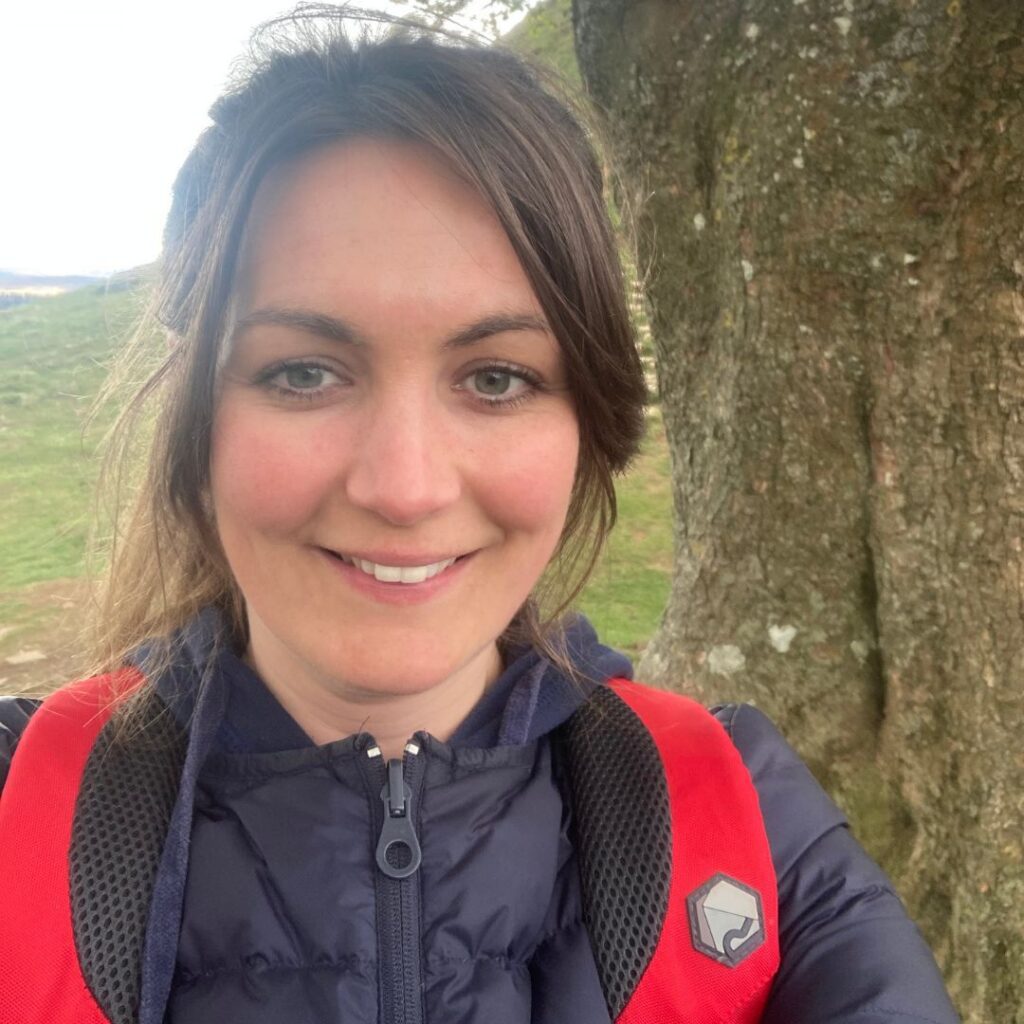
Danielle’s message to any young person in the region who is interested in the environment but has no idea it could be a career is simple: do not necessarily take the careers adviser’s word for it.
Her advice is to shape your own destiny, put the effort in and be prepared to create your own opportunities. Look into local colleges and universities, go to open days, ask questions and speak to people already working in the sector. Above all, get practical experience, whether that is volunteering on a farm, at a nature reserve, with a conservation charity or in the local community. Rejection will come, she says, and she heard plenty of it herself, but a knockback is not the end of the story. Sometimes it is simply a detour, and she likes to remind herself of country singer Cody Johnson’s line about a dream being worth chasing, because it will not come looking for you.
The AgTable
That instinct for bringing people together is what sits behind Danielle’s new venture. Conservationists and farmers both care about the land, she says, but they often struggle to speak the same language, and organisations trying to help the environment can lose sight of the fact that the farm still needs to make a living.
She saw a gap for someone able to sit in the middle who understood both worlds, someone who could talk tractors and soil science in the morning and green policy in the afternoon. That is the thinking behind her new consultancy, which she has named The AgTable: a place to turn confusing green-speak into practical, farm-friendly ideas that work for real people. It launches at the end of August, bridging the gap between farmers, conservation organisations and corporate partners across the region.



Subscribe
Subscribe now to receive our twice-weekly emails and exclusive offers for High Life North readers.