






- Work Hard
- 7th Aug 2026
- 0
- 0 minute
Vindolanda archaeologists can’t believe what they’ve just found after 1,600 years underground
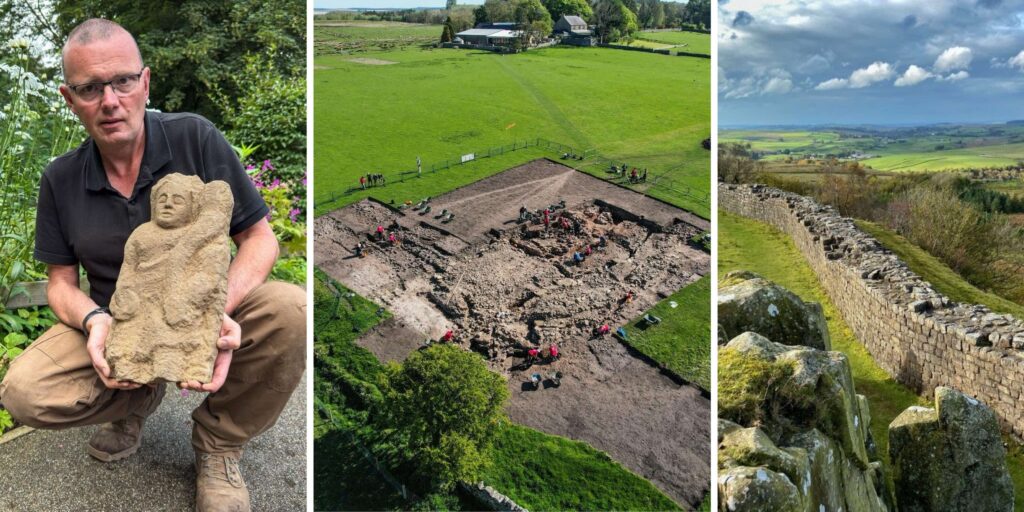
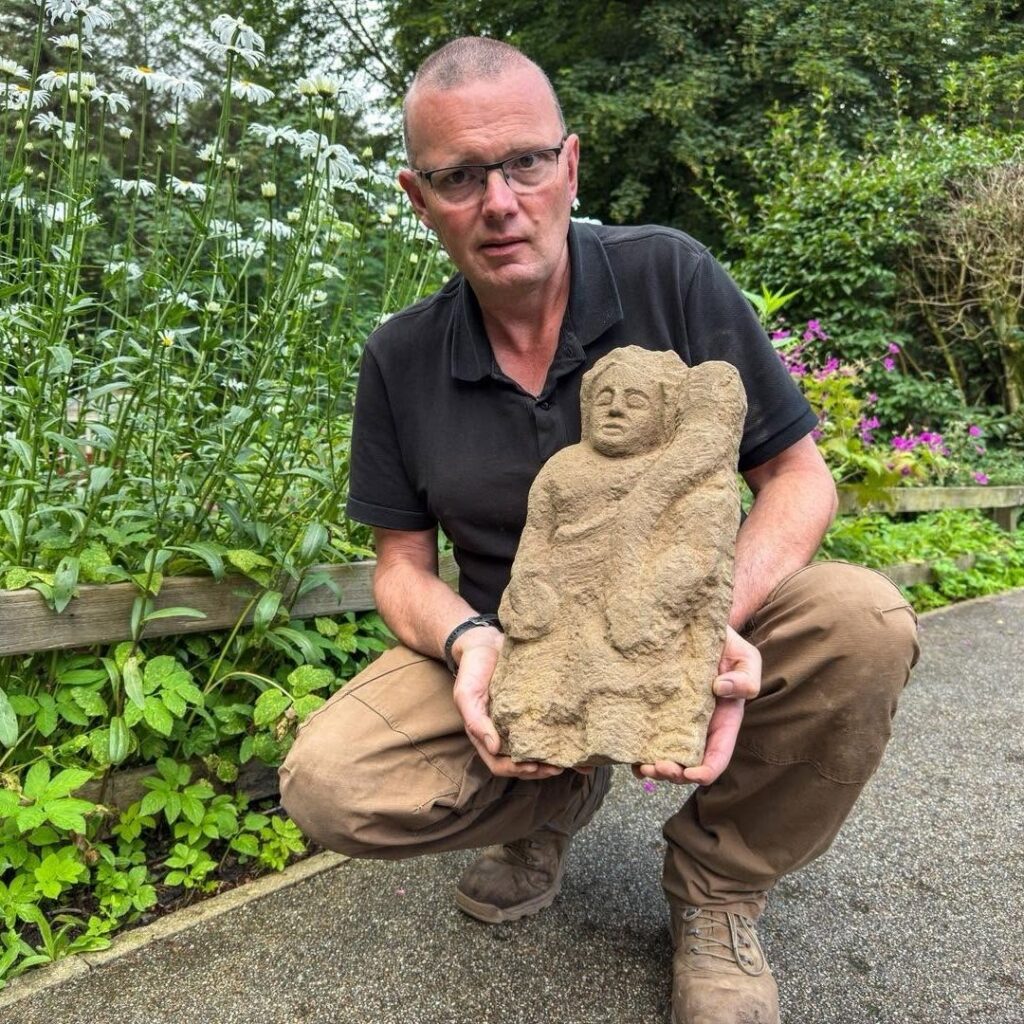
A carved Roman guardian has just resurfaced at Vindolanda after 1,600 years underground, and it’s one of the most striking finds the Northumberland site has produced in years.
The relief depicts a Genius, a protective spirit invoked by the Romans to guard a household or place, and it emerged in near-perfect condition from beneath a fourth-century barrack floor. Here’s exactly what’s been found, and why it’s got archaeologists so excited.
SO, WHAT EXACTLY HAS BEEN UNEARTHED?
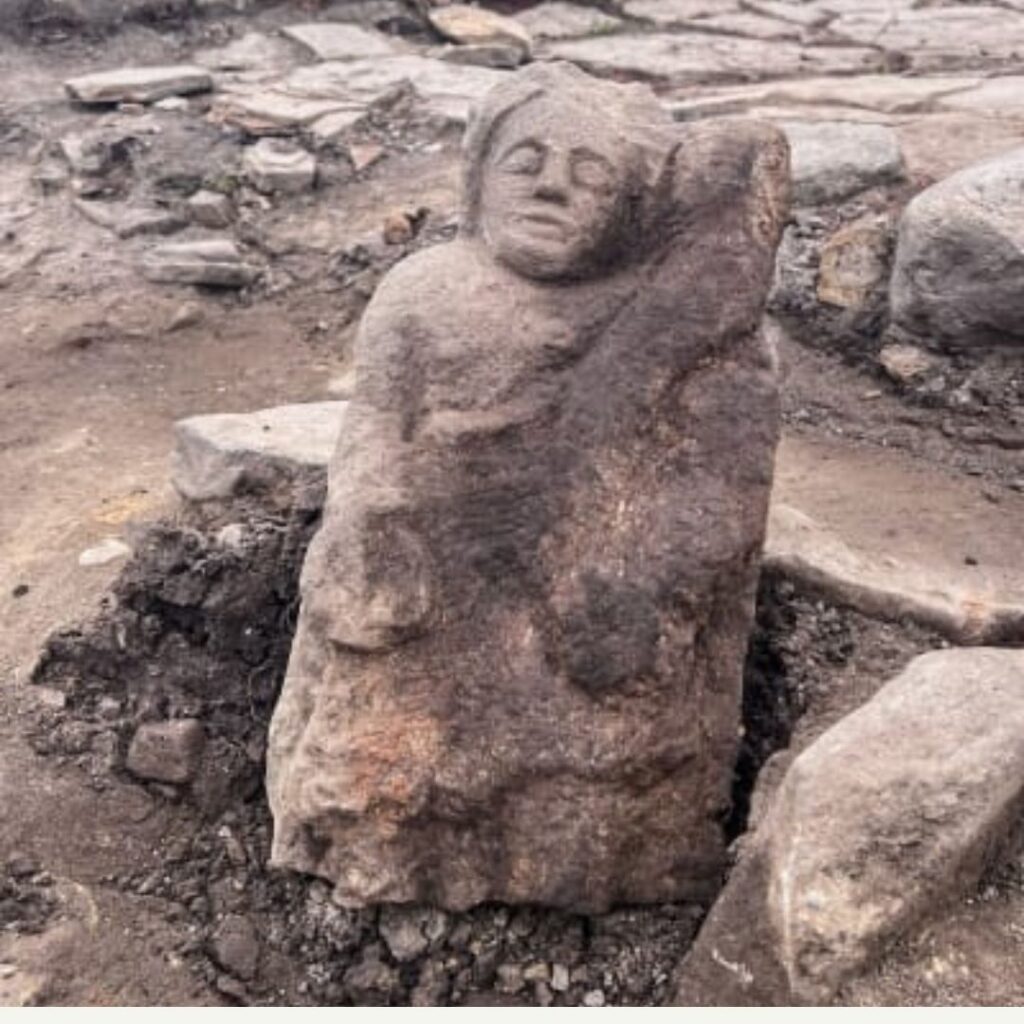
The star of the find is a finely carved stone relief of a Genius, complete with two unmistakable symbols. In one hand, the figure holds a cornucopia, the overflowing horn that represents abundance. In the other, it holds a patera, the shallow dish the Romans used for pouring ritual offerings.
Archaeologists believe the relief once formed part of a domestic shrine, tucked away in a household as a kind of spiritual protector. It would have watched over the people living there, invoked to bring them security, prosperity and good fortune.
The carving was found on 16th June 2026, when an oddly rounded flagstone caught the eye of Dr Andrew Birley, Director of Excavations at Vindolanda. He knelt down, turned the stone over, and came face to face with a figure that hadn’t seen daylight since it was deliberately buried more than 1,600 years ago.
WHY A FIND LIKE THIS IS SO RARE
Inscriptions dedicated to a Genius turn up fairly often across Roman Britain, so historians already know these protective spirits were widely worshipped. Carved stone reliefs like this one are far rarer, though, which makes the Vindolanda find an important addition to the wider collection of Romano-British sculpture.
Its condition is just as remarkable as its rarity. Being buried face down and left undisturbed for sixteen centuries has protected the detail of the carving, giving archaeologists a rare, near-complete example to study rather than a worn or fragmentary one.
Archaeologists believe the piece was carved locally, whether by a mason working at Vindolanda itself or by a sculptor from a nearby regional workshop, possibly one linked to the Roman fort at Lanchester in County Durham.
WHAT THE DISCOVERY TELLS US
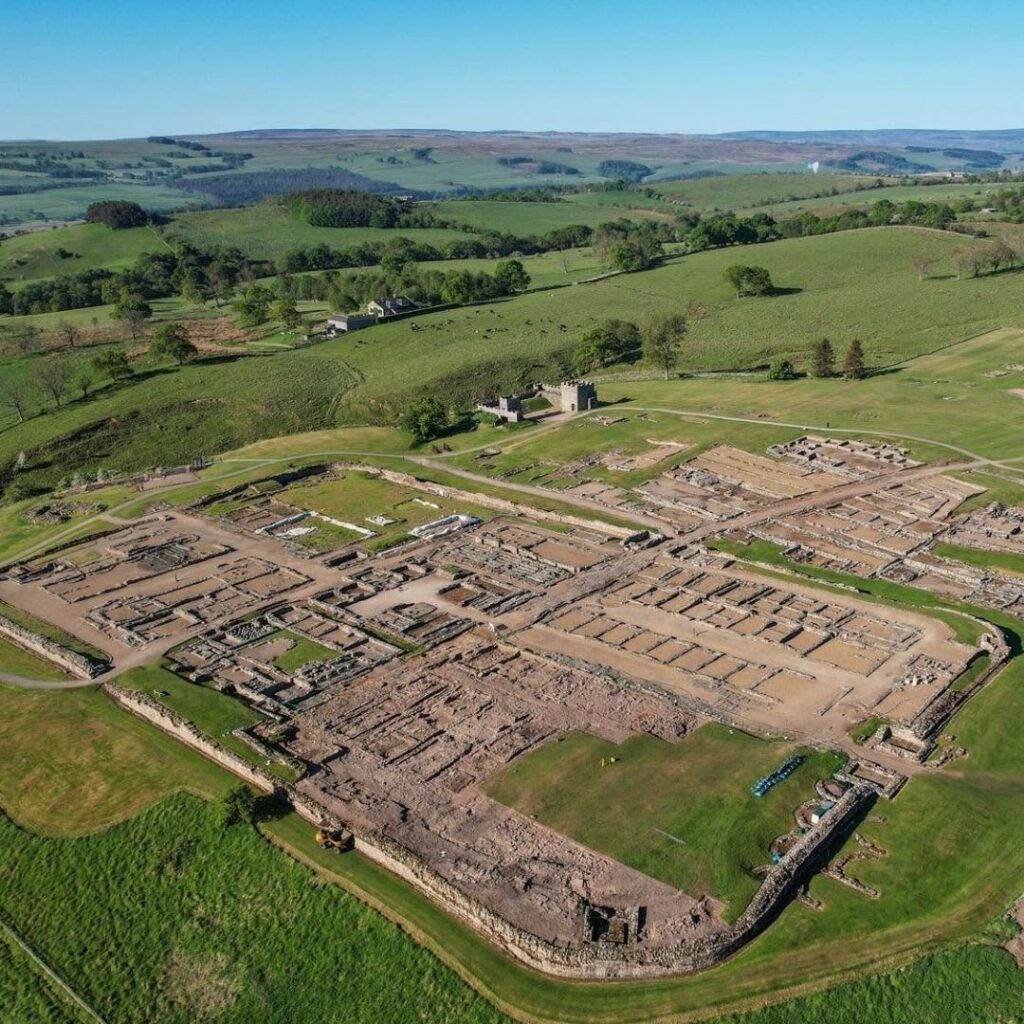
Buried beneath a fourth-century barrack floor for more than sixteen centuries, the relief gives fresh insight into what the soldiers and families living at Vindolanda actually believed, right up until the closing years of Roman Britain. Its condition and the certainty of where it was found make it one of the most important religious carvings uncovered at the site in recent memory.
“I have been fortunate enough to have worked at the site for many years and made some wonderful discoveries along the way, but I was completely unprepared for what I found on the other side of this stone. It was an extraordinary moment, one that we were able to share with the team of archaeologists and volunteers whose hard work makes discoveries like this possible.”.
Andrew, the third generation of his family to dig at Vindolanda, said.
He didn’t know straight away who he was looking at, so he sent photographs to a trio of respected scholars. Andrew added: My first thought was simply, ‘Who on earth am I looking at?
“Thankfully, Hadrian’s Wall is home to an incredible community of generous and knowledgeable scholars. After sending photographs to Lindsay Allason-Jones, Dr Fraser Hunter and Alex Rome-Griffin, the unanimous response came back within hours: we had uncovered a previously unknown relief of a Genius, the protective spirit of a place.”
WHAT HAPPENS TO IT NOW
The sculpture is currently undergoing conservation and detailed study, ahead of going on public display in Vindolanda’s on-site museum. Before long, visitors will be able to come face to face with a guardian that’s watched silently over the site for more than sixteen centuries.
“Once we knew who we had found, it somehow felt entirely appropriate. It was almost as though Vindolanda itself had reached out to the team and quietly said, ‘We approve of what you are doing.’ As archaeologists, moments like these are incredibly rare, and we feel privileged to have uncovered and preserved such an important part of the site’s story.”
Reflecting on the find, Andrew added.
QUICK FACTS
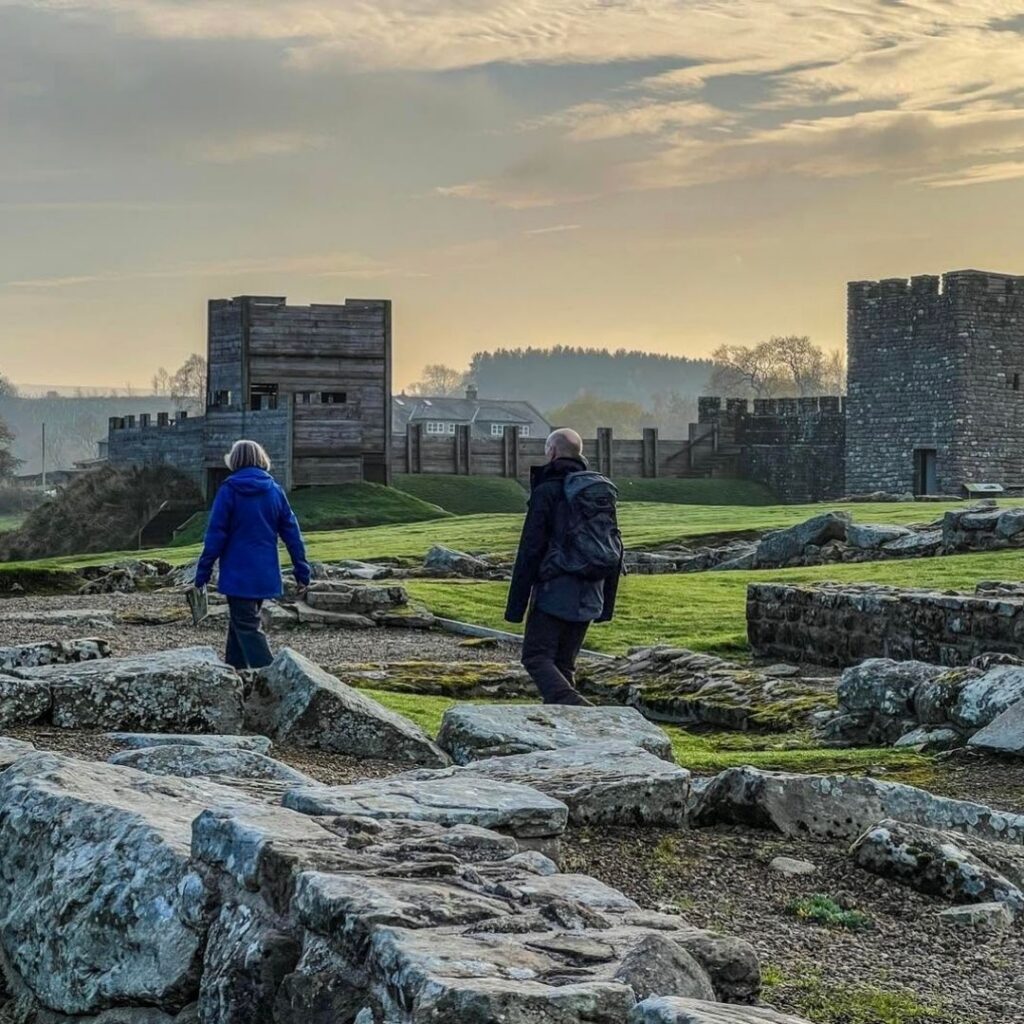
Location: Vindolanda, near Bardon Mill, Northumberland
Discovery date: 16th June 2026
Found by: Dr Andrew Birley, Director of Excavations at Vindolanda
What it is: a carved Roman relief of a Genius, a household guardian spirit
Where to see it: Vindolanda’s on-site museum, once conservation is complete



Molly Ferry
CONTENT ASSISTANT
Subscribe
Subscribe now to receive our twice-weekly emails and exclusive offers for High Life North readers.