




- Work Hard
- 7th Aug 2026
- 0
- 0 minute
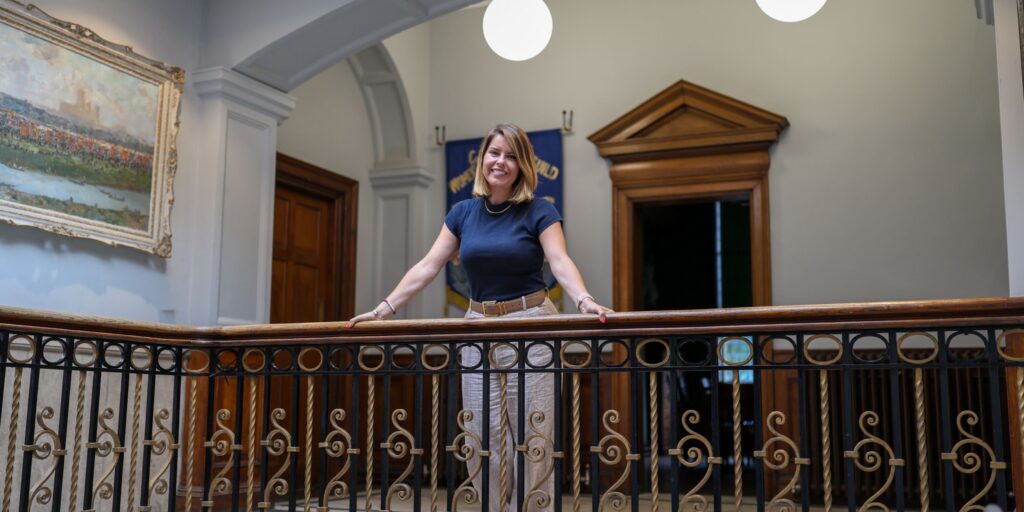
Bus franchising: North East Mayor Kim McGuinness answers your questions on what it means for the North East
- Advertisement Feature
The North East Mayoral Strategic Authority (MSA) has launched a public consultation asking whether more than 500 bus routes should come back under public control, in what would be the biggest change to the region’s transport in four decades.
Whichever way this goes, it’ll shape how the North East gets around for years to come – so whether you use the bus system or not, you might as well take this opportunity to have your say.
Plus, as a thank you for taking the time to share your thoughts, you can access our special prize draw to win one of three great prizes – a luxury stay at TipToe Retreat, a city cruise with Tyne Cruises, or a three-course lunch with fizz at Blackfriars.
Following on from our last feature on why the North East bus shake-up matters to you, we sat down with Kim to dig deeper into what franchising could mean for passengers, from fares and safety to rural connections and timescales…
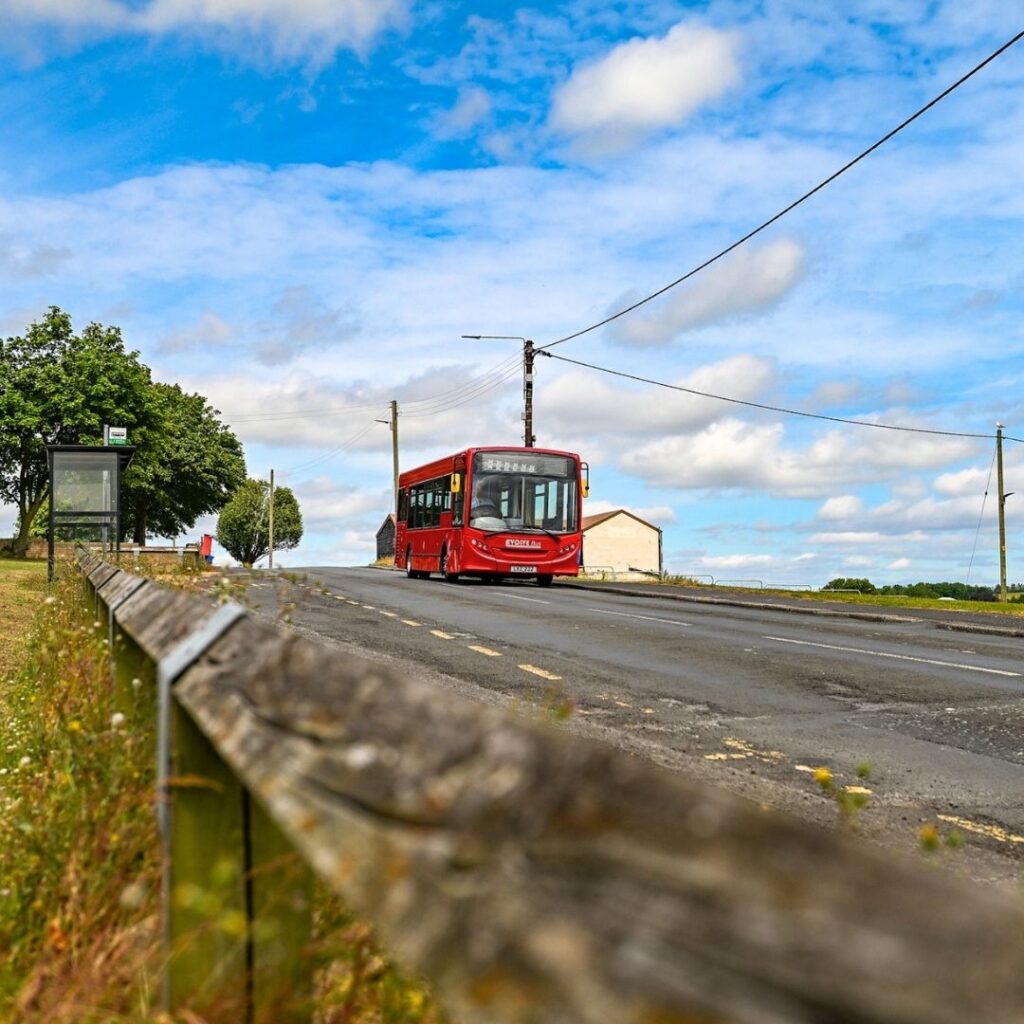
For readers who haven’t yet looked at the consultation, why do you believe bus franchising is the right solution for the North East?
People in the North East deserve better than standing in the rain wondering if their bus is ever going to turn up. They deserve better than missed appointments, late starts at work, and journeys that are harder than they need to be because services don’t connect properly.
That’s why, since before I was even Mayor, I’ve been clear I think taking buses back under is the right solution. It could give us the ability to plan buses as one joined up public service, with simpler fares, routes that people actually need and services that turn up on time. This is about putting passengers first, not profit, and building a bus network that works for our communities.
Many people have become frustrated by unreliable services and rising fares. How would franchising improve the everyday experience for passengers?
Too many people are paying too much for bus journeys that don’t always deliver the service they deserve.
We’ve seen great progress on buses already. We capped fares at £2.50 and will soon be cutting that to £2.
But fares were never the end goal – it was the first step. Franchising could give us greater control, which would enable us to create a bus network that’s more affordable and works better for passengers.
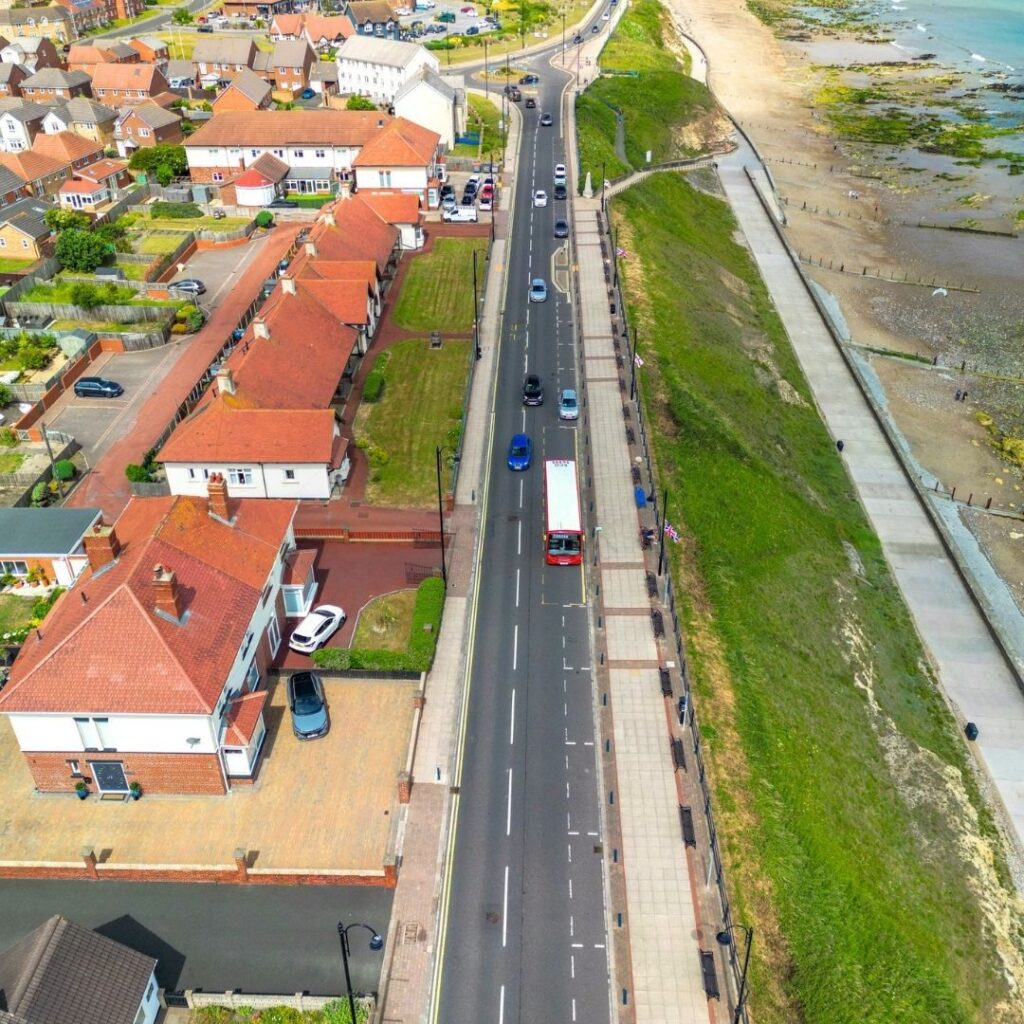
The proposals promise simpler fares and ticketing, with fares not increasing above inflation for 10 years. How will you make that commitment a reality?
People just want to know that the cost of getting to work, seeing the GP, or visiting their family isn’t going to keep going up year after year.
Taking buses back into public control would give us more control over fares and ticketing, allowing decisions to be made with passengers at the heart of them rather than being left to multiple private operators. That’s what would make commitments like keeping fares in line with inflation possible and give people greater certainty about the cost of travelling.
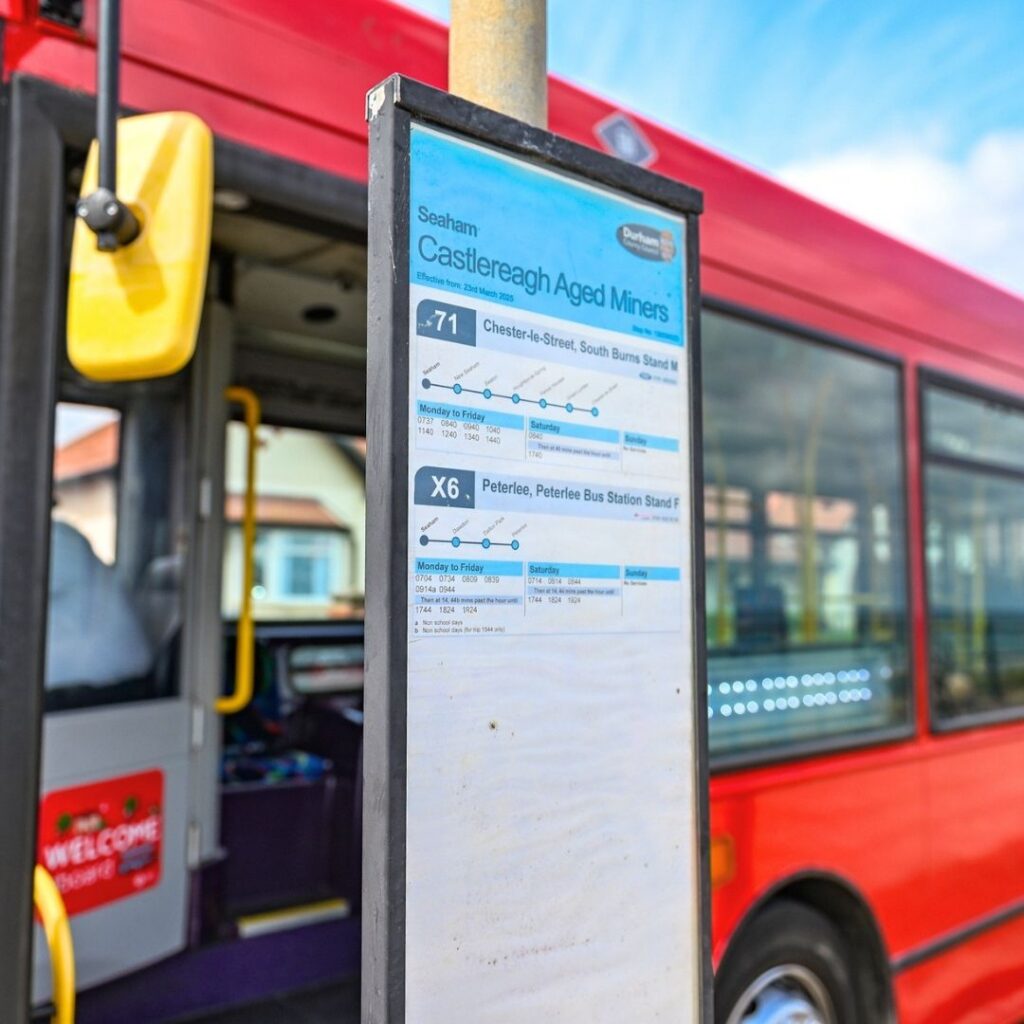
How will these plans benefit people living in rural and coastal communities, where bus services are often less frequent and routes have been lost over the years?
Where you live shouldn’t determine your opportunities.
I don’t want any part of the North East to feel left behind. People need reliable public transport to enjoy everything our region has to offer.
We’re investing millions in our region and I want people, whether they live in a city, town, village or by the coast, to be able to benefit from those opportunities and experiences.
Safety is a key part of the consultation, particularly for women and girls. What improvements can passengers expect if the proposals go ahead?
Every woman and girl should be able to get on a bus and travel without fear. As Mayor, I’ve made women’s safety a priority because it’s never been negotiable.
Sadly, we know too many women still change their plans, avoid certain journeys or miss out on opportunities because they don’t feel safe travelling.
Franchising could give us greater control over safety across the network, helping create a more consistent approach wherever people travel. Feeling safe should never be a postcode lottery.
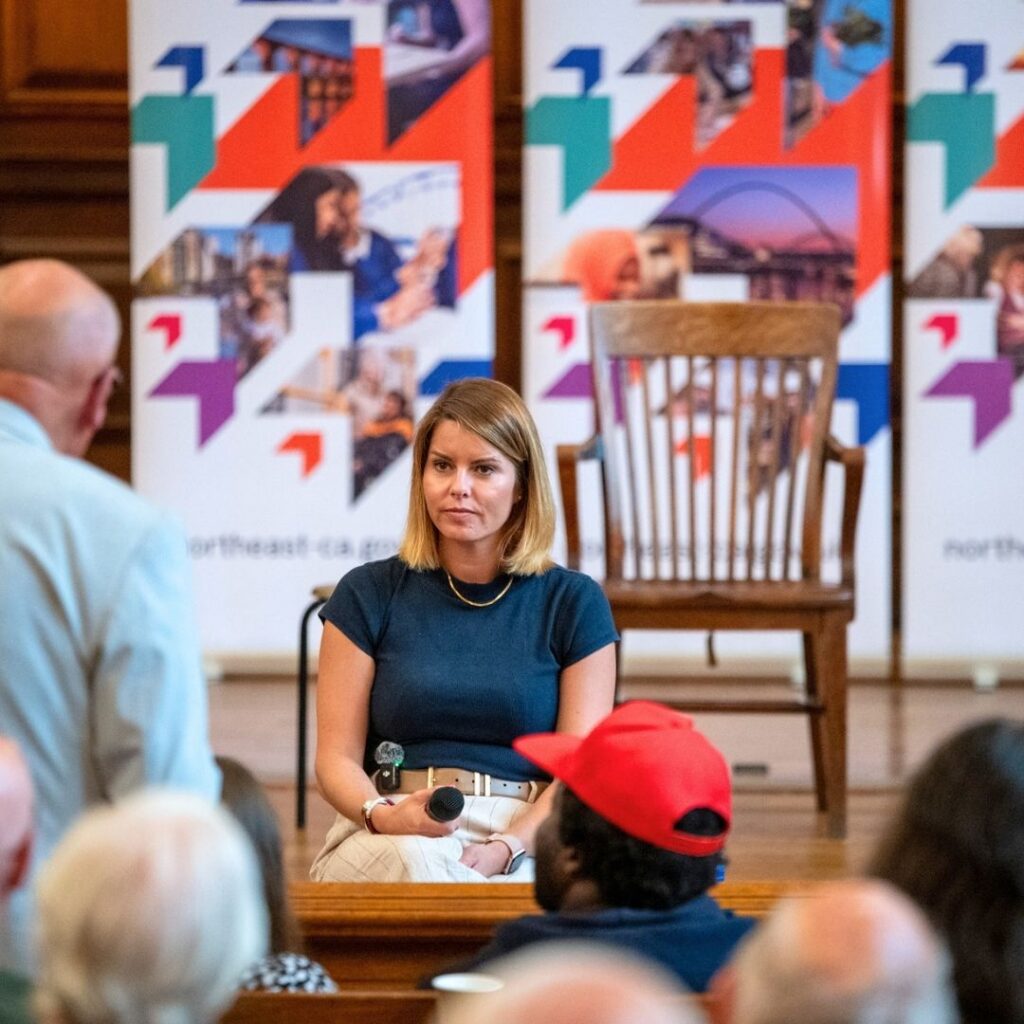
The consultation says the new ‘Angel Network’ would better connect buses with Metro, rail and ferry services. How important is creating one joined-up transport network for the region?
It is absolutely vital. People do not live their lives in “bus journeys” or “Metro journeys” – they just need to get from A to B without it being stressful or expensive.
That’s why my Local Transport Plan sets out a green, integrated transport network that works for all: the Angel Network.
Bus franchising would give the North East Mayoral Strategic Authority greater responsibility for the network. How will you ensure local people have a genuine say in shaping services and holding operators to account?
At the end of the day, it’s the people who use buses every day that know better than anyone what’s working and what isn’t.
If franchising goes ahead, it’s absolutely key that we keep listening to people across the North East and use their feedback to help shape future services. The network should reflect the needs of the communities it serves, but first, people should have their say in this consultation. We need to hear what people think of the proposals to bring buses back into public control, which is why I’m encouraging everyone to take part and have their say.
If the consultation receives public support and franchising is approved, what are the next steps and when could passengers realistically expect to start seeing improvements?
Honestly, I wish we could make these changes happen tomorrow.
I know how frustrating it is to be left waiting for a bus that doesn’t turn up or worrying about whether you’ll get where you need to be on time. People across the North East deserve better, and they deserve it sooner rather than later.
If these plans are approved, the first buses would be on North East roads in 2029. I know that feels like a long way off, but it’s much quicker than it happened in Manchester. This is a chance to build the kind of bus network people across the region have been asking for since the 80s.
In the meantime, I’m doing what I can to make bus travel more affordable and accessible through my Mayor’s Fares, while learning from what’s worked in bus reform elsewhere so we can deliver lasting change for the North East.



Subscribe
Subscribe now to receive our twice-weekly emails and exclusive offers for High Life North readers.